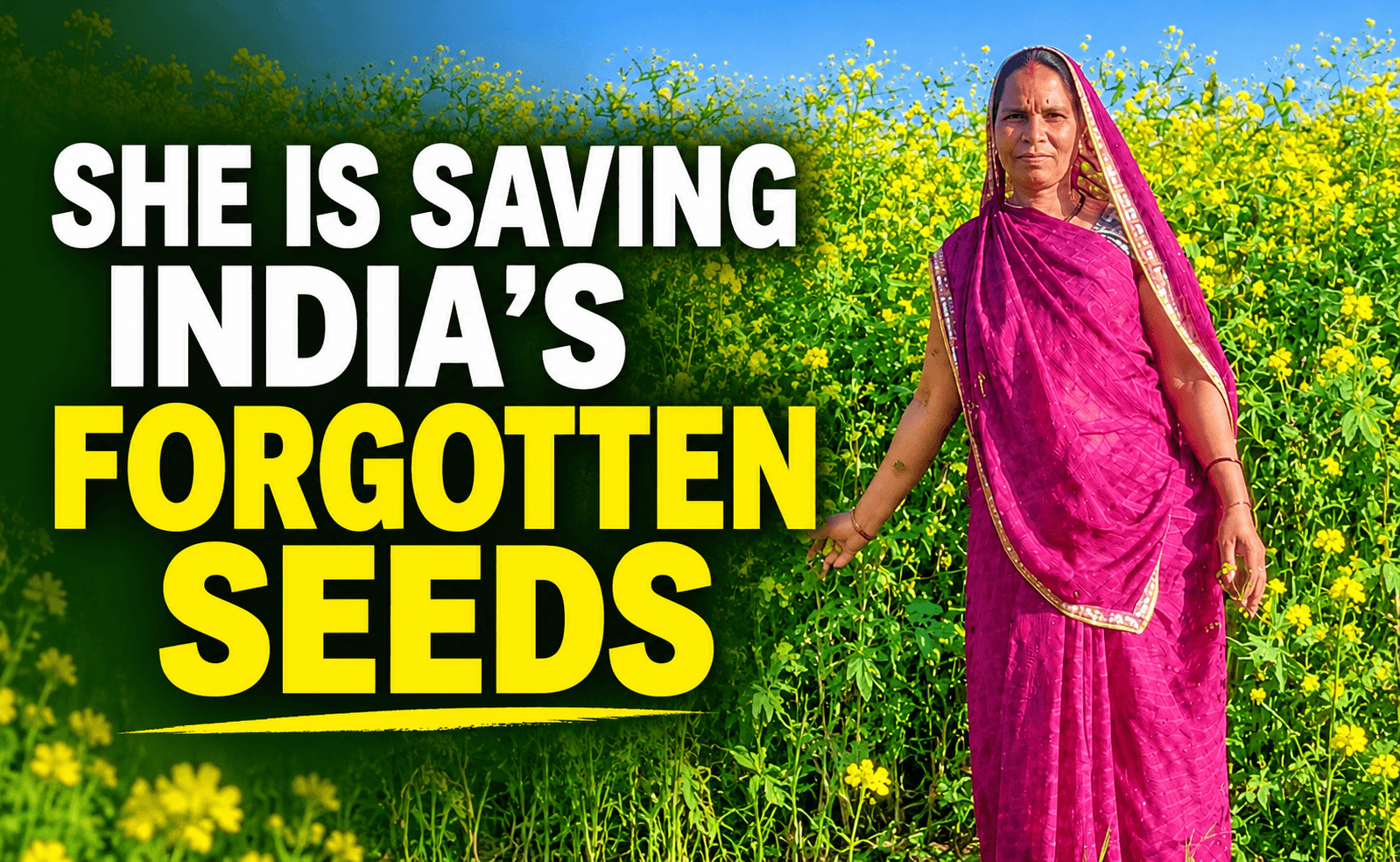
In the fields of Kalumar village in Madhya Pradesh’s Damoh district, some of the most valuable things a farmer can grow are not necessarily the ones that fetch the highest price in the market. Sometimes, their greatest worth lies in the seeds that have survived generations, carrying with them the memory of old kitchens, ancestral wisdom and farming traditions that risk disappearing with time.
For Ganga Bai Gaur, a woman farmer from the Jabera development block, these seeds are far more than the starting point of another harvest. They are a connection to the past and a responsibility towards the future.
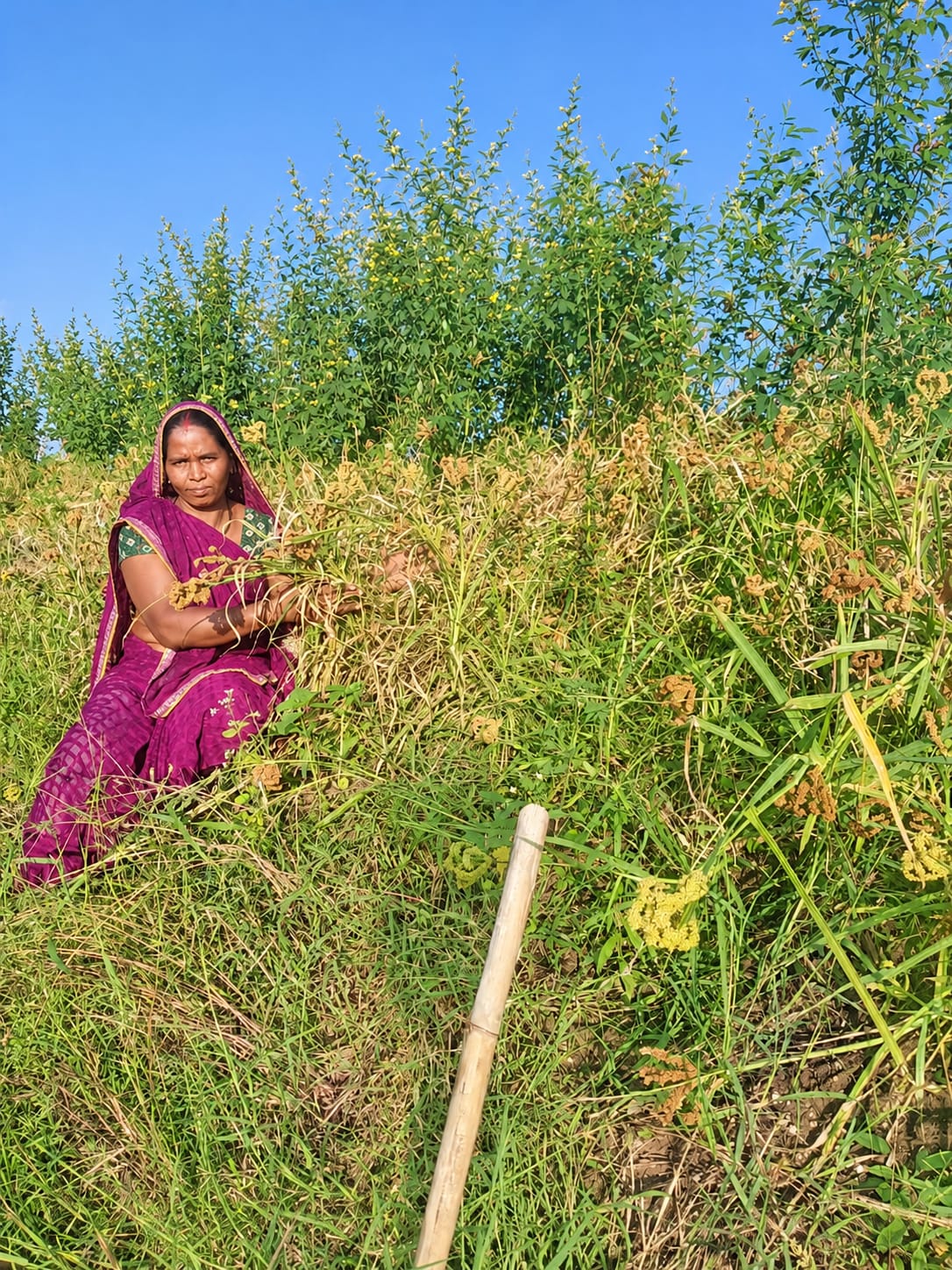
While farming increasingly revolves around modern methods and a narrower selection of crops, Ganga Bai is working to preserve traditional millets and indigenous seeds, including kodo, kutki, ragi, bajra, kangni and ramtil. Her effort is not simply about bringing forgotten crops back into cultivation. It is about ensuring that the agricultural knowledge and food traditions of earlier generations do not disappear without being passed on.
For her, the importance of a seed extends well beyond the field. It lies in what it remembers, what it nourishes and what it can offer the generations that follow.
Also read: How Dhirendra Kumar Transformed Jharkhand’s Forests, Silk Industry and Rural Economy
Remembering What the Older Generations Knew
Ganga Bai’s interest in traditional grains is rooted in the everyday experiences of rural life, where food, farming and family health have long been closely connected. She remembers how earlier generations grew and consumed these grains, drawing on their experience to decide what to cultivate and what to prepare in the kitchen.
“Our elders understood the value of these traditional grains. They grew them, ate them and even prepared dishes from them when someone in the family was unwell. Today, many people, especially the younger generation, no longer recognise these crops or know how they were used,” she shared in an exclusive conversation with Indian Masterminds.
That disconnect is one of the concerns behind her work. As newer seeds and farming practices become more common, traditional varieties can gradually disappear from fields and household food habits alike. Once a variety is lost, recovering it may be difficult, particularly when the knowledge of how it was grown and used has also faded.
Ganga Bai wants to bridge this widening gap between generations by encouraging farmers to grow traditional crops again. She believes that keeping these grains in cultivation is one way of making sure that the knowledge attached to them remains alive.
Her work also reflects the nutritional importance of millets, which offer dietary diversity and can help bring a wider range of grains back to the Indian plate.
The Search for Seeds That Were Nearly Lost
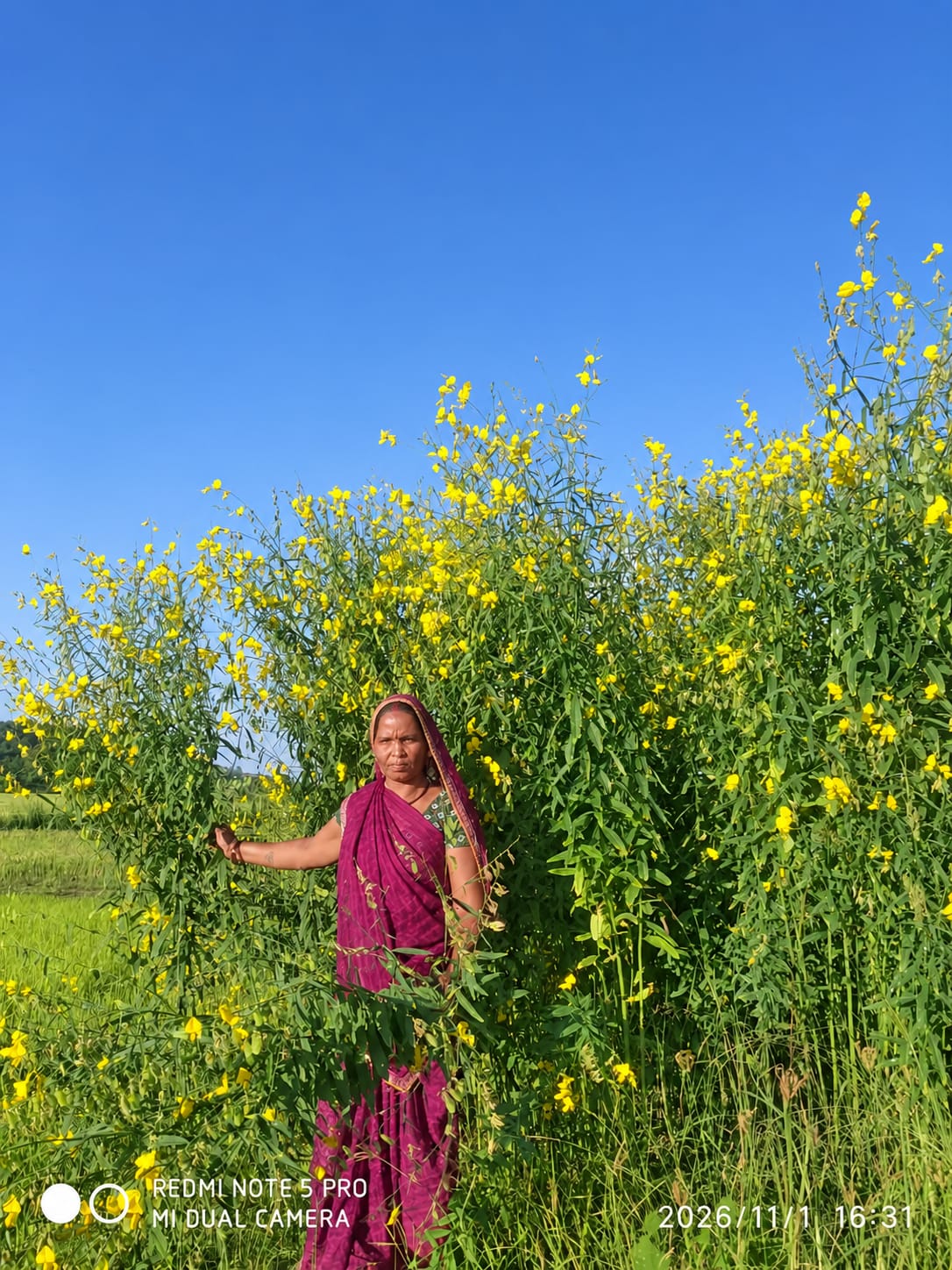
The task of preserving indigenous seeds, however, has not been straightforward. Before a traditional crop can return to a field, its seeds must first be found.
Ganga Bai recalls beginning with a very small quantity of an old variety. She managed to obtain approximately 500 grams of seed, a modest starting point for an effort that she hoped would eventually reach other farmers.
The shortage itself revealed the scale of the challenge. Seeds that might once have been familiar in village households were no longer readily available, and finding them required effort and persistence. Traditional varieties could not simply be ordered whenever she wanted to plant them; she had to search for what remained and work towards increasing their availability.
For Ganga Bai, the experience reinforced the need to make better use of old seeds that still survive in rural communities.
“We had very little seed to begin with. I found about 500 grams of an old variety, and that became a starting point for the work. We need to look for the traditional seeds that are still available, grow them again and make sure they do not disappear altogether,” she explains.
Her account captures a problem that often goes unnoticed in discussions about agriculture. The loss of a traditional crop does not always happen in a single season. It can occur gradually, as farmers stop growing it, seed supplies shrink and younger people become unfamiliar with the crop altogether.
Recovering even a small quantity, therefore, can be the first step towards rebuilding a variety’s place in local agriculture.
From Her Own Field to Other Farmers’ Fields
Ganga Bai does not want the preserved seeds to remain confined to her own farming activities. Her larger aim is to encourage other farmers to cultivate traditional grains so that the seeds can circulate again through the community.
Growing these crops for household consumption is an important part of her approach. She also hopes that other farmers will adopt them, allowing the varieties to reach more fields and become familiar to people who may never have grown or eaten them before.
“If we grow these grains for our own food and encourage other farmers to cultivate them as well, more people will begin to recognise their value. Many young people today do not even know what these traditional crops look like. We need to bring them back into farmers’ fields so that this knowledge can reach the next generation,” she told Indian Masterminds.
The economic benefits of this effort remain an important consideration, although her immediate emphasis is on preserving seeds, improving access to traditional food and encouraging cultivation. Wider adoption could create opportunities for farmers to retain diverse crops within their farming systems, while also helping sustain local food traditions.
The larger purpose is to make these seeds useful in the present rather than preserve them only as remnants of the past.
A Woman Farmer Keeping Agricultural Knowledge Alive
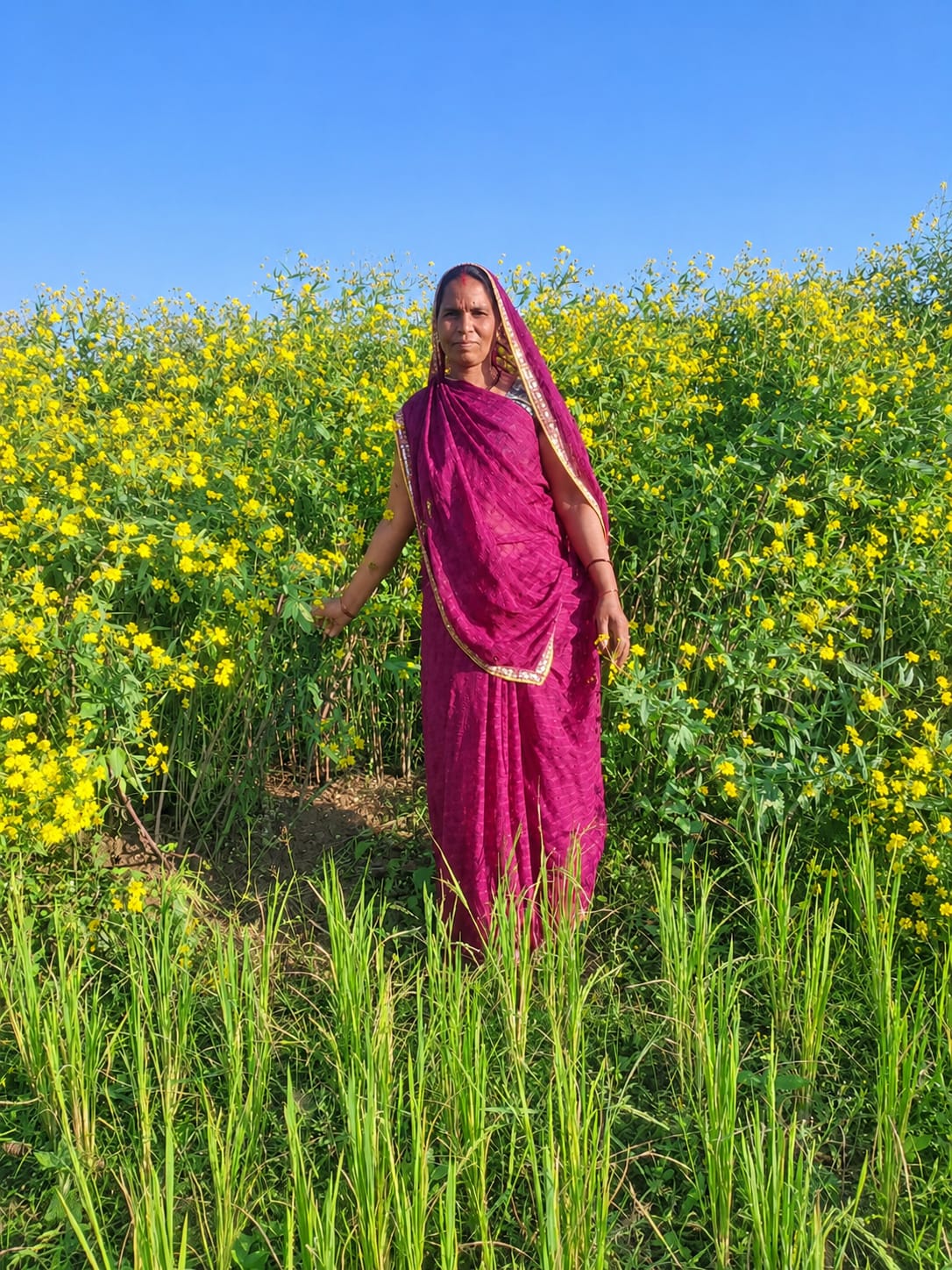
Women in rural India have long played an important role in selecting seeds, storing them, preparing traditional foods and passing agricultural knowledge from one generation to another. Much of this work happens within households and communities, often without receiving the recognition it deserves.
Ganga Bai’s efforts bring that contribution into focus. Her work demonstrates why agricultural progress must be measured not only by higher production or the adoption of newer techniques, but also by the diversity of crops farmers continue to grow and the knowledge they preserve along the way.
She receives guidance and support from Manav Jeevan Vikas Samiti, Katni, an organisation associated with her initiative. The support complements her efforts to conserve traditional seeds and encourage their use among farming communities.
Her work also raises a larger question about the future of agriculture: what happens when a community loses the seeds that once shaped its food, farming practices and cultural identity?
For Ganga Bai, the answer begins with the farmer who chooses to plant an old variety again, the household that brings a traditional grain back to its kitchen and the younger person who learns to recognise a crop that previous generations knew well.
The journey from a handful of seeds to a wider community effort may be gradual, but its purpose is clear. Every traditional variety that returns to cultivation preserves a little more of the knowledge embedded in rural life.
As Ganga Bai continues her efforts in Kalumar, her message reaches beyond the boundaries of her village: seeds are not merely grains waiting to be sown. They carry the traditions of those who came before us and the possibilities we leave behind for those who will come next. Protecting them means keeping that inheritance alive.
Also read: From Mathematics to the Forests of India: The Journey of Rajendra Prasad Khajuria, IFS