The phone rings. A politician wants a case withdrawn, an accused person spared or an inconvenient officer transferred. The demand may come wrapped in authority, conveyed as a favour or delivered as an order. For a police officer, the moment of truth arrives in a simple but consequential question: Will you uphold the law—or surrender to power?
For former IPS officer and Intelligence Bureau special director Yashovardhan Azad, this is not an abstract dilemma. He has faced political pressure, stood by decisions he believed were right and experienced the consequences of disagreeing with powerful people. His conclusion is uncompromising: give in once, and the next surrender becomes easier.
In the second part of his conversation with Indian Masterminds on his book Policing the Republic, Azad examines the fault lines weakening Indian policing—from political interference in investigations and transfers to incomplete police reforms, institutional corruption and the growing tension between national security and individual privacy. His central argument is that a democracy needs a police force that is accountable to the law, not beholden to those in power.
Dialogue Before the Baton
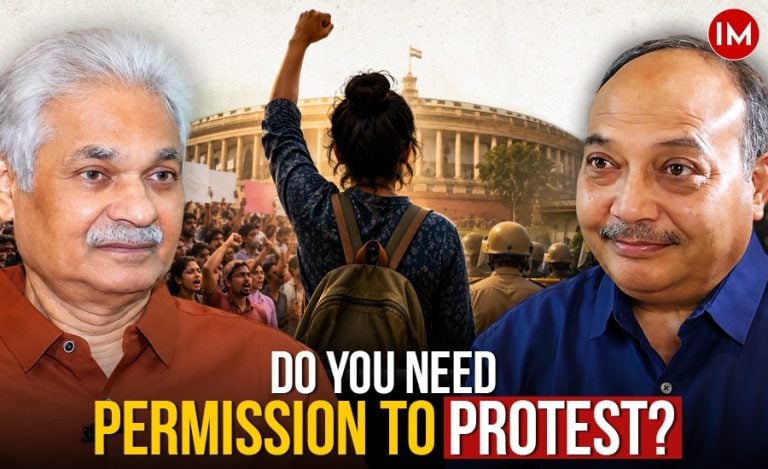
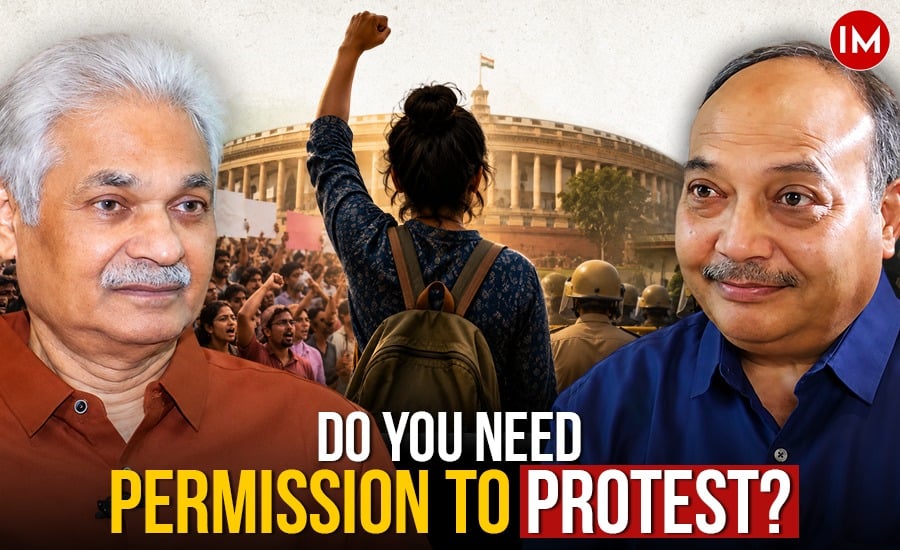
Azad believes that managing protests requires more than barricades, mass detentions and restrictions. Authorities must engage demonstrators, negotiate practical arrangements and assess the actual threat before resorting to force.
Recalling a demonstration at Delhi’s Central Park, he describes how he permitted a proposed flag-hoisting event despite initial opposition. Instead of imposing a blanket ban, he suggested conditions to manage the crowd, prevent traffic disruption, protect public property and ensure accountability. Drones, CCTV cameras and body cameras, he argued, could help the police monitor the gathering while allowing people to exercise their democratic rights.
His philosophy is rooted in experience. As a young officer in Madhya Pradesh, he recalls occasions when students threw stones at policemen, only for both sides to sit together over tea and samosas later. Protesters, he insists, are not enemies of the police; they are citizens with grievances that deserve to be heard.
Watch the Interview Here :
The Price of Standing Your Ground
Political interference, however, remains a formidable obstacle to professional policing. Azad recounts an incident from his career in which he registered a case against a politically influential district leader for threatening a police constable. Despite repeated pressure from a minister to withdraw or reconsider the action, he refused to back down because he believed the case was justified.
He also recalls being transferred after a disagreement with a political leader. He accepted the decision without allowing it to undermine his convictions. For Azad, such experiences underline the need for operational autonomy. Elected governments must retain democratic control, but that cannot become a licence to dictate individual investigations, influence postings or demand action unsupported by evidence.
He points to the Supreme Court’s 2006 police-reform directives, arguing that their implementation remains incomplete. The problem, he says, begins with the political influence surrounding appointments and transfers—from the appointment of a Director General of Police to postings at the district and police-station levels.
Accountability Must Accompany Authority
Azad rejects the argument that empowering the police necessarily means giving officers a free hand. Accountability is essential, but it must be accompanied by adequate resources, training, facilities and reasonable working conditions. Expecting personnel to behave professionally while subjecting them to punishing hours and inadequate support is hardly a recipe for reform.
He also warns that institutional corruption cannot be tackled through legislation alone. Referring to India’s long struggle against corruption, he argues that watchdog institutions must be effective and existing safeguards must not become obstacles to meaningful scrutiny.
On surveillance, Azad acknowledges that CCTV networks, satellites and electronic interception have become integral to modern security. But he stresses that the right to privacy requires independent oversight. He advocates a watchdog insulated from government control and stronger scrutiny of interception decisions, warning against allowing national security to become a blanket justification for intrusive monitoring.
Security Needs Trust, Not Just Force
Azad’s concerns extend to Manipur, where he believes lasting peace requires better intelligence, the recovery of looted weapons, enforcement of security arrangements and a political settlement addressing tensions among ethnic communities. Rehabilitation and fair compensation for tribal communities affected by mining and development projects are equally important to prevent the resurgence of Naxalism.
Across these diverse challenges, his message remains consistent: institutions cannot function effectively when professional decisions are subordinated to political expediency. India needs a police force that is accountable to the law, equipped to perform its duties and confident enough to resist improper pressure.
For Azad, the real test of policing is not how readily an officer follows an order, but whether that officer has the courage to question it when the law demands otherwise.
Also Read – Trust No One, Said His Instinct in Pakistan