Sometimes, all it takes to change the direction of a young life is someone who believes in its potential. For a girl uncertain about continuing her education, a student struggling after an examination setback, or a teenager unsure about choosing a career, a few words of encouragement and the right guidance can open doors to possibilities they never imagined.
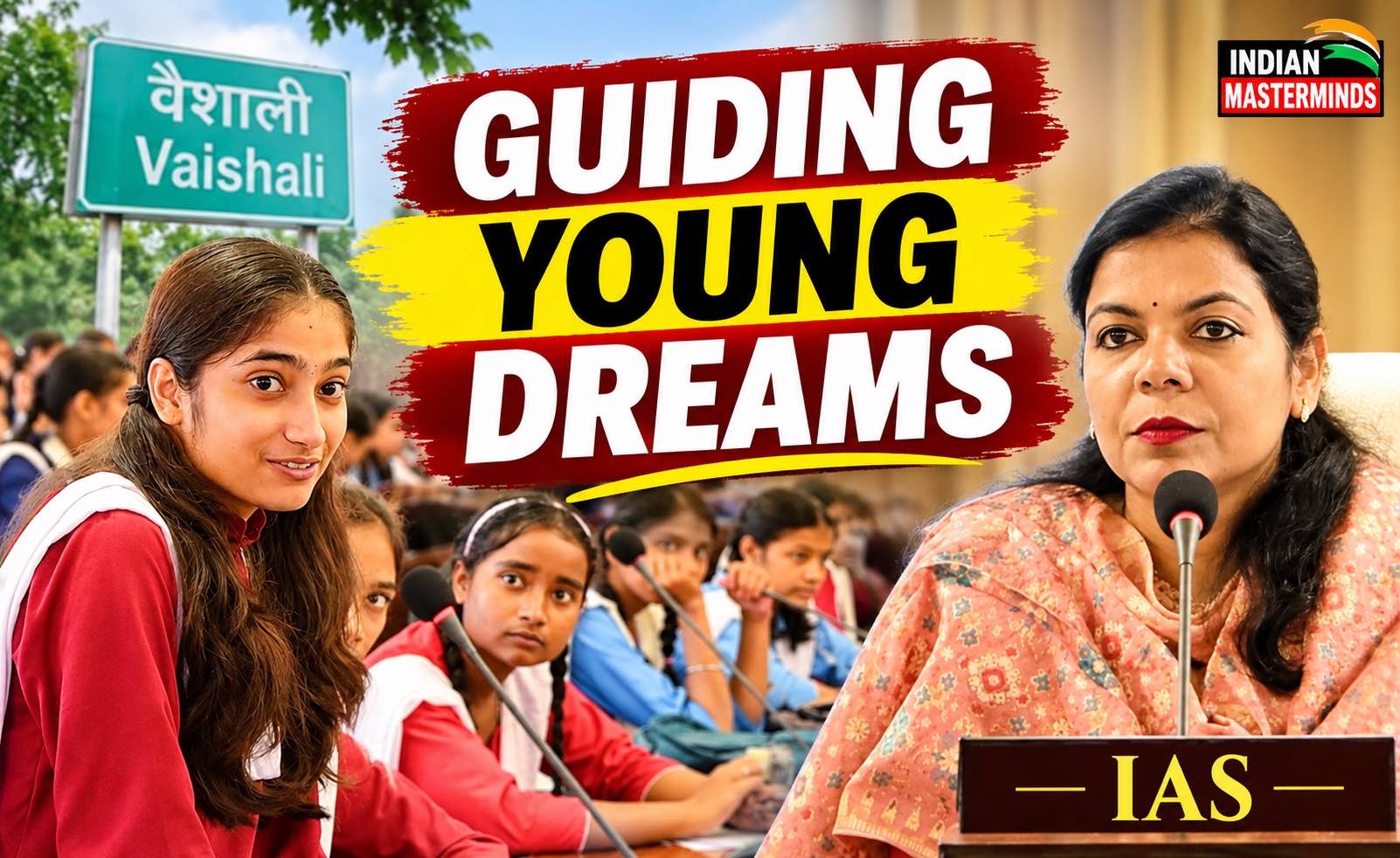
In Bihar’s Vaishali district, 2016 batch IAS officer Varsha Singh is making this difference through an initiative that has given a new meaning to the relationship between an administrator and the people she serves. Known as ‘Hamari Collector Didi’, the initiative has turned the District Magistrate into a mentor, guide and trusted elder sister for thousands of government school students and women.
Moving beyond conventional administrative responsibilities, Ms Singh has created a platform where students can freely discuss their ambitions, seek career advice, share personal concerns and find solutions to challenges that often remain unaddressed. From guidance for competitive examinations such as UPSC and NEET to counselling on examination stress, family pressure, early marriage and higher education, the initiative brings governance closer to people’s everyday lives.
For IAS Singh, the idea is simple: young people do not merely need opportunities; they also need confidence, encouragement and someone who can guide them towards those opportunities.
How It Started: When School Visits Revealed a Missing Link
The idea behind ‘Hamari Collector Didi’ emerged from IAS Singh’s regular visits to government schools across Vaishali. As District Magistrate, she frequently visited educational institutions to understand the ground realities and assess the learning environment.
However, instead of limiting her interactions to official inspections and discussions with teachers, she made an effort to sit among students, speak to them directly and understand their aspirations. On some occasions, she even shared midday meals with them.
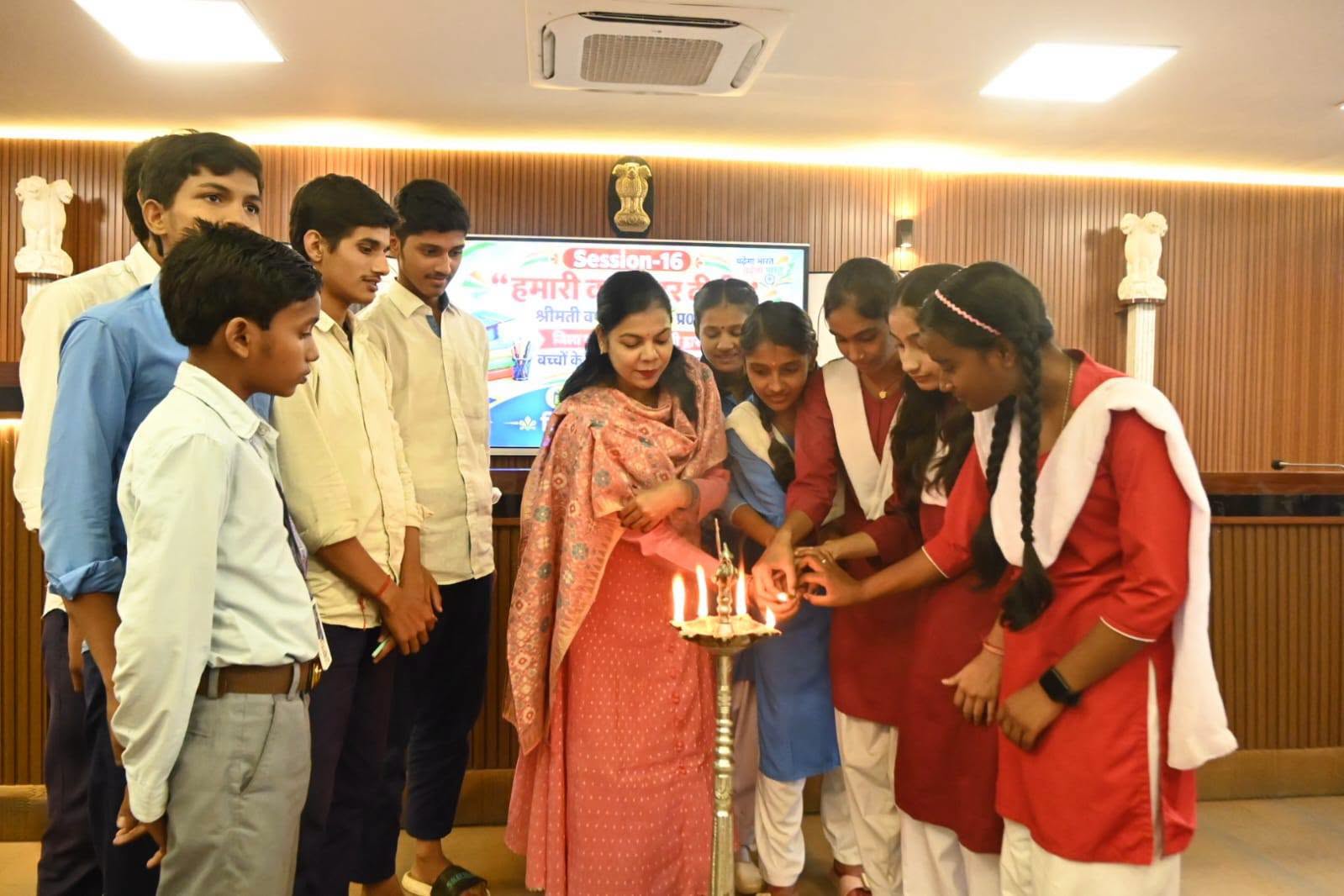
These interactions revealed something important. Many students, particularly those from rural backgrounds, had ambitions but lacked access to proper guidance and mentorship. Several aspired to become IAS and IPS officers, doctors or professionals, but were uncertain about the pathways, preparation strategies and opportunities available to them.
She realised that academic resources alone were not enough. Students also needed someone with whom they could discuss their doubts without hesitation.
Interestingly, the students had begun addressing her as ‘Collector Didi’. The affectionate name gradually became the inspiration for a dedicated mentorship initiative.
What started as informal interactions during school visits soon developed into a structured platform for counselling, career guidance and confidence-building.
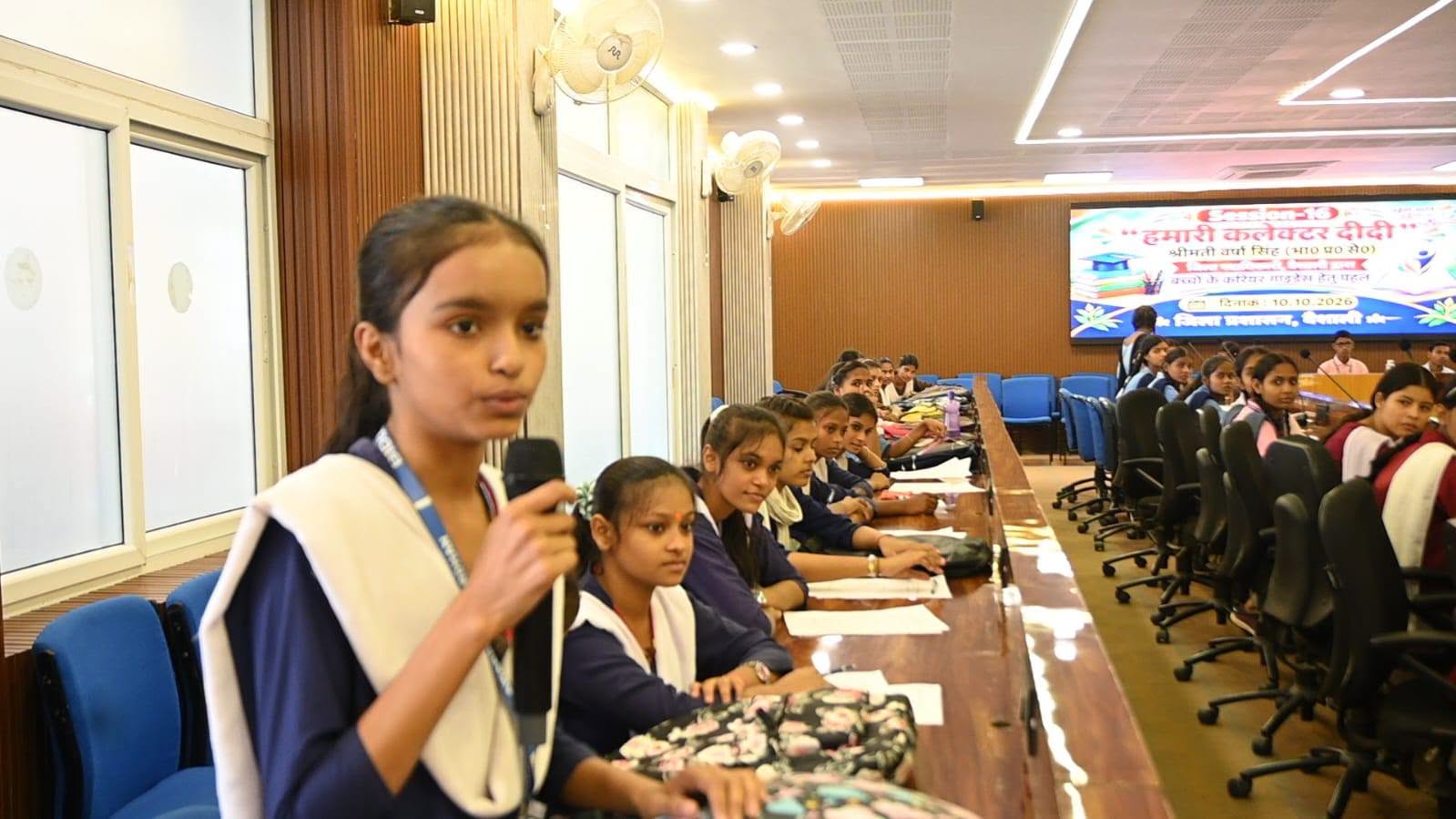
Building a Personal Connection Beyond the Collector’s Office
Unlike conventional administrative outreach programmes, ‘Hamari Collector Didi’ is built around personal interaction and accessibility.
Singh has consciously tried to ensure that students do not approach her with the hesitation often associated with meeting a senior government official. Instead, she encourages them to interact with her as they would with an elder sister.
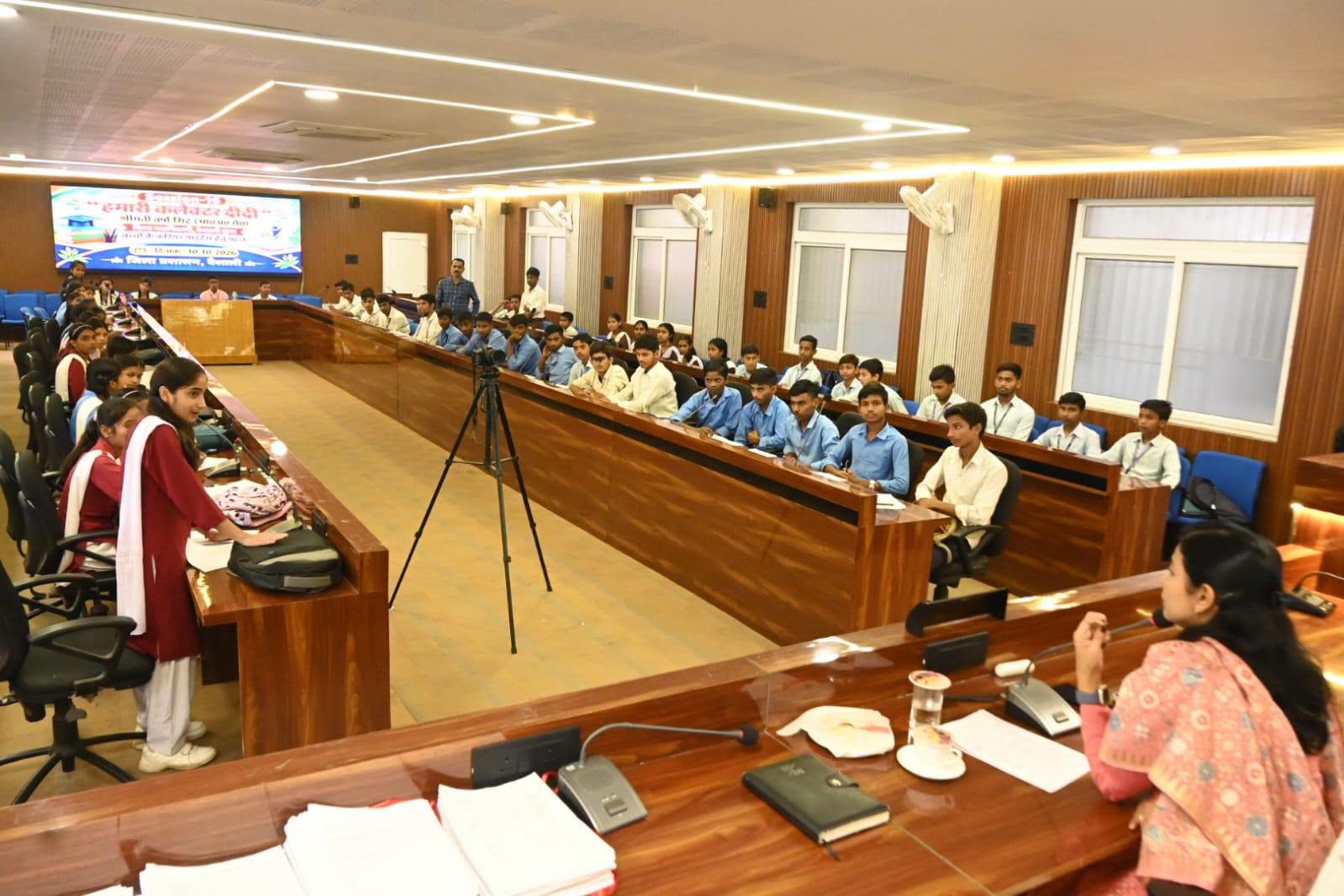
“Twice a week, for nearly one-and-a-half to two hours, I interact with schoolgirls and boys, both online and offline, under the ‘Hamari Collector Didi’ initiative,” Ms Singh told Indian Masterminds.
“This is beyond official duty. They need confidence, counselling and cooperation to excel in life and career, and I try to be there for them as they call me – Didi,” she added.
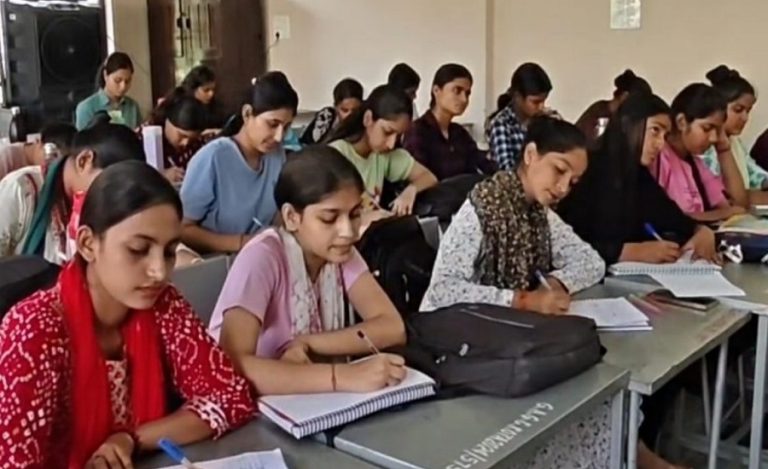
The sessions are conducted through both virtual interactions and face-to-face meetings. Students from Classes 5 to 12 participate, while special interactions and workshops are also organised to address their specific requirements.
Nearly four hours every week are devoted to these interactions, reflecting the importance Singh attaches to mentorship alongside her administrative responsibilities.
The programme has gradually evolved into a space where students can discuss not only their academic ambitions but also the personal challenges affecting their education and future decisions.
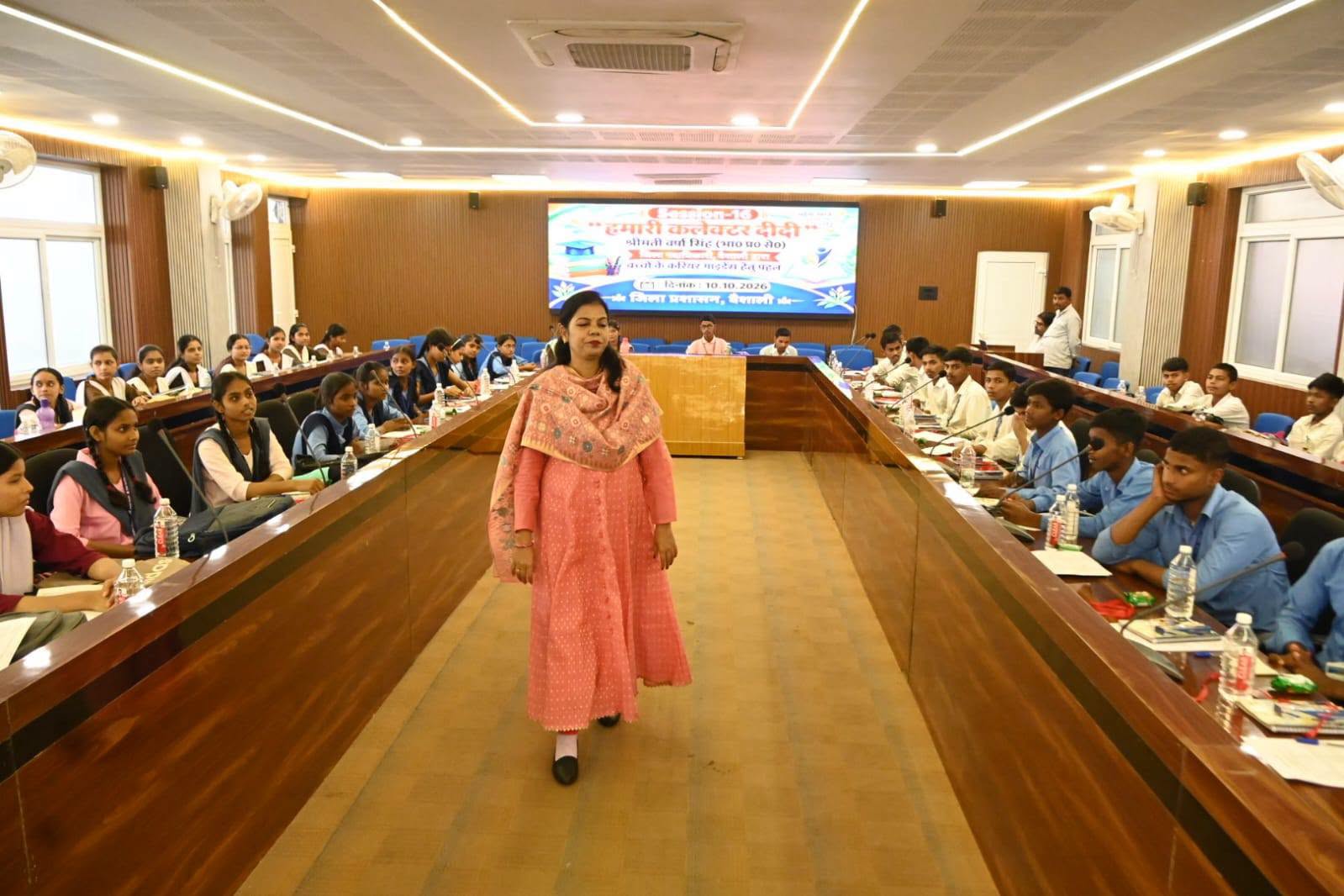
Career Guidance: Helping Students Discover Their Potential
One of the major components of the initiative is career counselling.
For students studying in government schools, information about different career opportunities and competitive examinations is not always easily accessible. Many know about civil services or medical examinations but remain unaware of the preparation strategies, academic requirements and alternative career pathways.
Through interactive sessions, Ms Singh helps students understand the opportunities available to them and encourages them to identify their interests and strengths.
The discussions cover competitive examinations such as UPSC, NEET and MBA entrance tests, among others. Students are encouraged to develop a disciplined study routine, strengthen their conceptual understanding and remain consistent in their preparation.
During a career guidance workshop organised at Pushkarani Auditorium, students from five schools across the district participated and interacted directly with the District Magistrate.
Singh shared practical suggestions, including regularly studying NCERT textbooks from Classes 5 to 12, developing the habit of reading quality newspapers, managing time effectively and identifying personal weaknesses.
The administration also distributed notebooks, pens and sample questions to help students continue their preparation.
Another important step is making examination-related resources more accessible. Under a subsidiary initiative linked to ‘Hamari Collector Didi’, government high schools are being provided with syllabi and previous years’ question papers for examinations such as NEET and MBA entrance tests.
The objective is to ensure that students from government schools are not disadvantaged simply because they lack access to information and preparation material.

Beyond Careers: Counselling, Confidence and Emotional Support
For IAS Singh, mentorship is not limited to helping students choose a career or prepare for an examination. She believes that the emotional and social circumstances surrounding young people also play a significant role in shaping their futures.
During interactions, students openly discuss examination pressure, disappointment after failure, family expectations and uncertainty about their abilities.
Some girls approach her when they feel discouraged after failing an examination. Others seek help when they face pressure regarding early marriage or restrictions on continuing their education.
“The girls who feel disheartened after failing an examination or those facing pressure regarding child marriage come and speak to me freely,” IAS Singh said.
“They connect with me not as a District Magistrate, but as a Didi. That emotional connection gives them confidence to share their concerns,” she explained.
These conversations make the initiative particularly significant for girls from rural areas, where social expectations and family responsibilities can sometimes restrict educational and career choices.
By providing a non-judgmental space for discussion, Singh encourages them to express their concerns, understand their options and make informed decisions about their futures.
The sessions also address issues such as examination anxiety, mental well-being, communication skills and personality development.
Students are encouraged to speak confidently, ask questions, express their opinions and develop leadership qualities. The larger objective is to help them become independent thinkers who can navigate challenges with confidence.
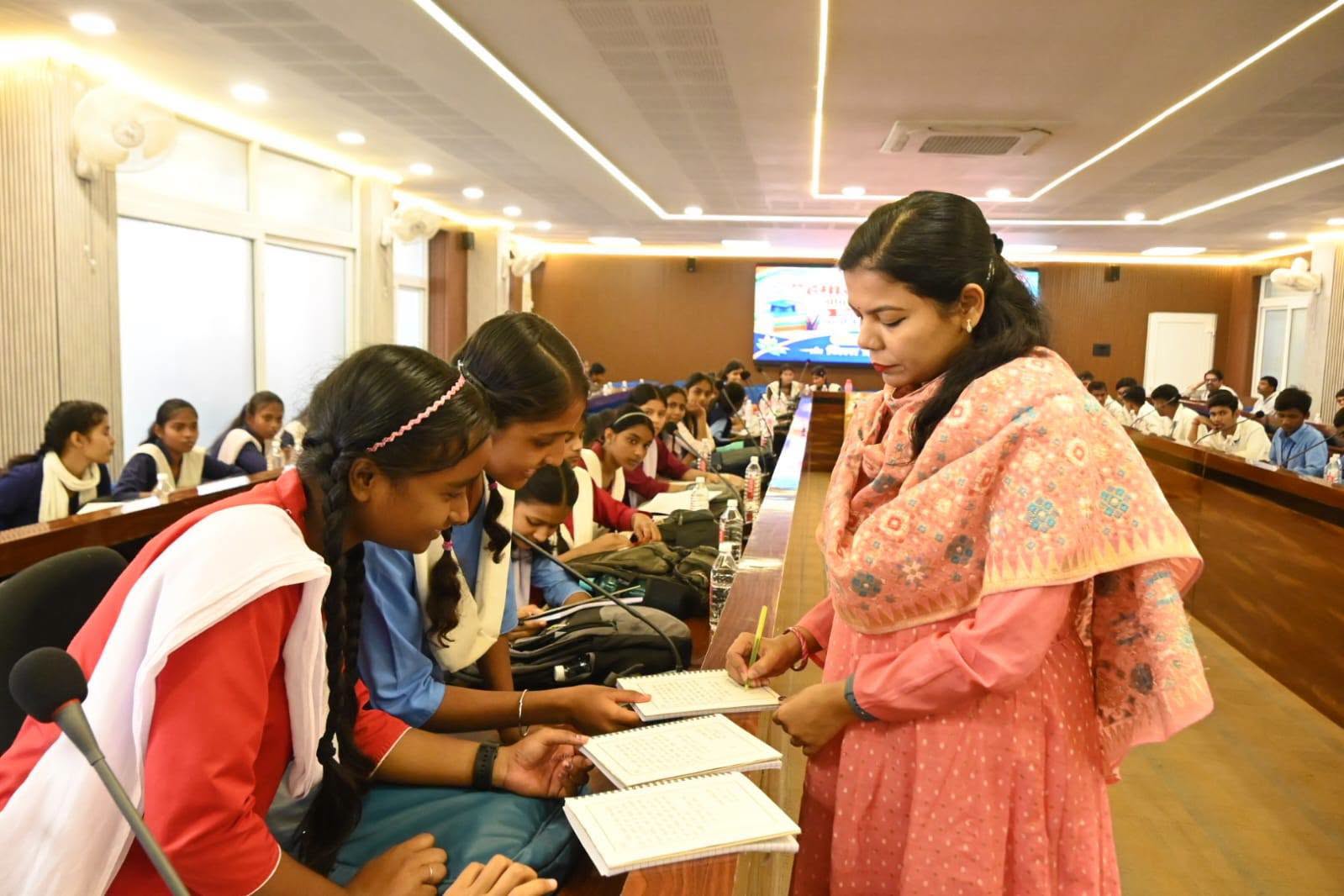
Empowering Girls and Creating Awareness Against Child Marriage
Another important dimension of the initiative is its focus on women’s empowerment and awareness against child marriage.
In several rural communities, girls may face pressure to discontinue their education or marry at an early age. Such circumstances can significantly limit their opportunities for higher education and financial independence.
Through her interactions with students and women, Singh discusses the importance of education, the legal age of marriage and the need to protect girls’ rights and aspirations.
She encourages girls to continue studying, explore professional opportunities and develop the confidence to speak about decisions affecting their lives.
By addressing these issues through personal conversations rather than formal lectures alone, the initiative attempts to make difficult discussions more approachable.
The emphasis is on helping girls recognise that their ambitions deserve equal consideration and that education can provide them with greater choices and independence.
Impact: When Governance Becomes a Source of Encouragement
Over time, ‘Hamari Collector Didi’ has developed into more than a career guidance programme. It has become a platform connecting students, women and the district administration through trust and personal engagement.
Thousands of students and women have participated in its interactions and associated activities. For many government school students, the opportunity to directly interact with a District Magistrate and discuss their future has itself become an encouraging experience.
The initiative also demonstrates how administrators can use their position and accessibility to address challenges that may not always be visible through conventional government programmes.
By combining career counselling, educational resources, emotional support and social awareness, Singh is attempting to address several interconnected barriers that affect young people’s development.
More importantly, the initiative is changing how students perceive the administration. The Collector’s office is no longer merely a place associated with official work and public grievances; it has also become a space where young people can seek guidance and encouragement.
For Ms Singh, the real purpose is to help students recognise their abilities and move forward with confidence.
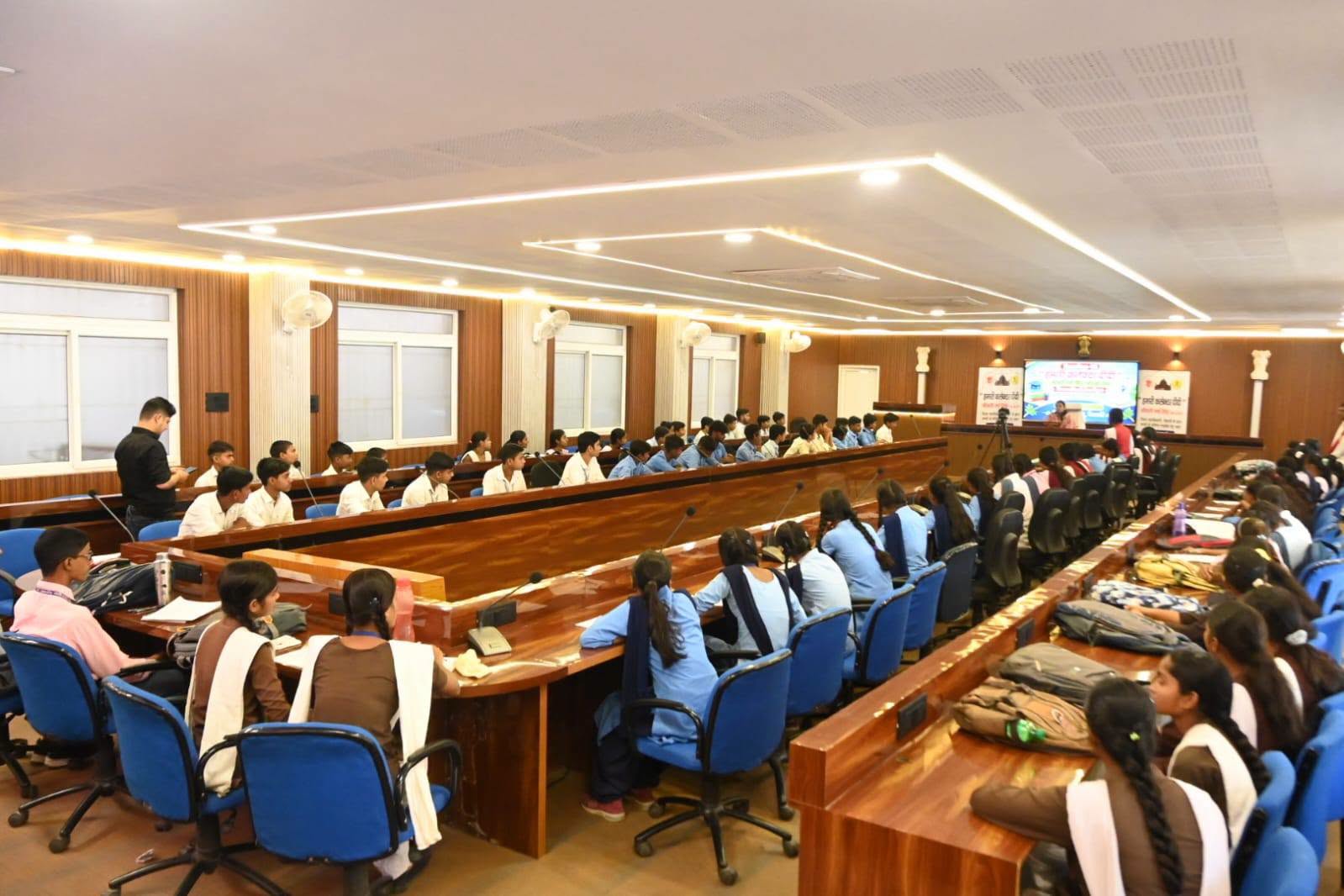
Her approach highlights an important dimension of public service: an administrator’s responsibility does not end with implementing schemes or resolving official matters. Sometimes, it also involves listening patiently, offering direction and helping people discover possibilities they may have overlooked.
Through ‘Hamari Collector Didi’, IAS Varsha Singh is demonstrating that the distance between an administrative office and an ordinary citizen can be reduced through something as simple yet powerful as empathy.
And for the thousands of young girls and boys in Vaishali who now have someone to turn to when they are uncertain about their future, their Collector is no longer just the officer in charge of the district. She is the Didi who encourages them to dream, work hard and believe that their circumstances need not define their destiny.