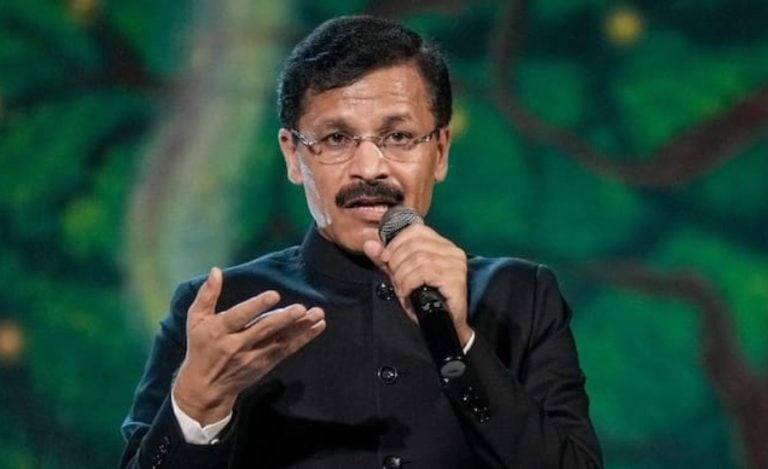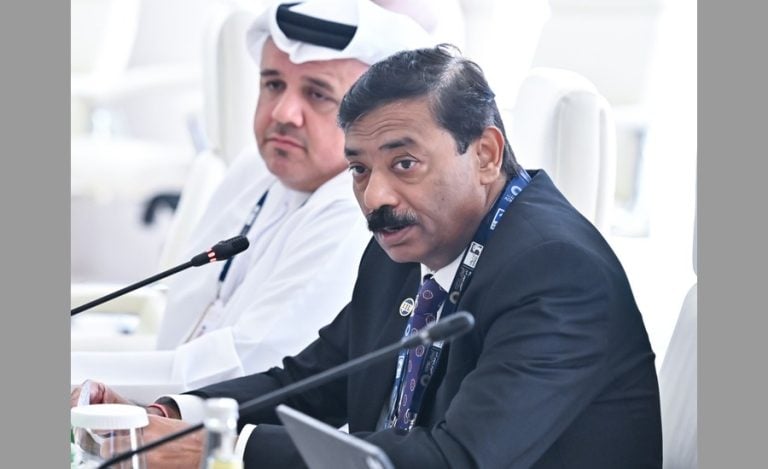
GUWAHATI: A growing demand for instant justice, including calls for the encounter killing of accused persons in cases of heinous crimes, has raised concerns over changing public attitudes in Assam. Former Director General of Assam Police GM Srivastava, a 1972-batch Indian Police Service (IPS) officer of the Assam-Meghalaya cadre, and psychiatrist Dr Suresh Chakravarty have expressed concern over the trend, highlighting the need to strengthen democratic institutions and the judicial system.
Earlier, whenever serious crimes such as murder or rape took place, people generally demanded justice through the legal system. However, a section of society has increasingly started demanding encounters of the accused, reflecting a shift in public expectations from the justice system.
Former Assam DGP GM Srivastava on Demand for Instant Justice
Commenting on the growing trend, former Assam Police DGP GM Srivastava said that people increasingly want instant justice whenever a heinous crime takes place.
Srivastava acknowledged that the normal investigation process takes considerable time. The police are required to file a chargesheet within 90 days, while the subsequent judicial proceedings may take much longer.
He explained that after a trial in a lower court, an accused person can approach the High Court and subsequently the Supreme Court. In cases where a death sentence is awarded, the accused can also submit a mercy petition to the President of India.
According to Srivastava, changes in society’s value system have contributed to people’s growing unwillingness to wait for the legal process to reach its conclusion. This impatience has, in turn, led to increasing demands for the immediate killing of accused persons following heinous crimes.
Psychiatrist Links Instant Justice Demand to Changing Social Values
Dr Suresh Chakravarty, head of the Psychiatry Department at Gauhati Medical College, also pointed to changing social values and declining patience as important factors behind the growing demand for instant justice.
Chakravarty explained that people have become accustomed to getting things quickly, which has influenced their expectations in different aspects of life, including the delivery of justice.
He illustrated the change by comparing the experiences of students in earlier generations with those of today’s students. Previously, students had to read several books and conduct extensive preparation to write an essay. Today, applications such as ChatGPT can help users generate multiple essays within a short period.
He said that the expectation of getting everything instantly has also extended to people’s demand for justice.
Delays in Judicial Process Also Contribute to Public Frustration
Chakravarty identified delays in the judicial process as another major reason behind the growing demand for instant justice.
He pointed out that there have been instances in which financially powerful criminals have managed to escape abroad, adding to public frustration with the existing system.
However, he cautioned that demanding instant justice through encounters is a dangerous trend. He stressed that all four pillars of democracy must work together to change public attitudes and strengthen democratic institutions.
The concerns raised by Srivastava and Chakravarty underline the importance of public trust in the legal system, timely investigations, judicial proceedings and adherence to the rule of law.