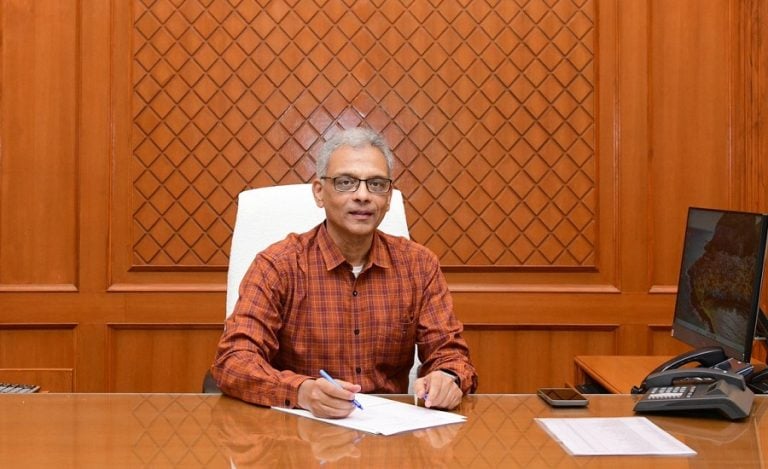
New Delhi: NLC India Limited is working towards achieving an equal 50:50 mix of conventional and renewable energy in its overall energy portfolio by 2032, according to Chairman and Managing Director (CMD) Prasanna Kumar Acharya. The proposed target marks a significant step in the company’s long-term strategy to diversify its power generation capacity and expand its presence in the renewable energy sector.
The transition aims to balance conventional electricity generation with cleaner energy sources while supporting India’s growing power requirements, strengthening long-term energy security and contributing to the country’s decarbonisation objectives.
NLC India Plans 50:50 Conventional and Renewable Energy Portfolio by 2032
The proposed 50:50 energy mix represents an important shift in NLC India’s business strategy as the country accelerates its transition towards sustainable electricity generation.
Traditionally associated with lignite and coal-based power generation, NLC India is gradually expanding its participation in renewable energy, particularly solar and wind power.
By increasing the share of renewable energy while maintaining a significant conventional power generation base, the company aims to develop a diversified portfolio capable of meeting changing electricity demand and supporting India’s energy security priorities.
The strategy also reflects the growing importance of renewable energy in the future electricity market and the need for conventional power companies to adapt to an increasingly sustainability-focused energy sector.
Solar and Wind Energy to Drive NLC India’s Renewable Expansion
Renewable energy expansion is expected to play a major role in achieving the company’s 2032 target.
Solar power offers significant opportunities because of India’s favourable solar radiation conditions and the declining costs of photovoltaic technologies. Wind energy can complement solar generation by providing electricity under different weather conditions and operating periods.
Expanding investments in these renewable energy sources could help NLC India:
- Diversify its power generation sources.
- Strengthen its position in the renewable energy market.
- Improve its long-term sustainability performance.
- Participate in India’s expanding clean electricity sector.
- Support the government’s broader objectives for non-fossil fuel-based electricity generation.
The expansion of solar and wind projects will also create opportunities for greater participation in the domestic clean energy value chain.
Investments in Infrastructure and Technology Will Be Crucial
Achieving an equal share of conventional and renewable energy by 2032 will require substantial investments in renewable energy projects, electricity transmission infrastructure and supporting technologies.
The company will need to strengthen its project development capabilities, identify suitable project locations, secure land and grid connectivity, and establish effective financing arrangements.
Timely execution will be essential to meeting the proposed target. Collaboration with technology providers, engineering companies, financial institutions and other industry stakeholders could also help accelerate project development and improve implementation efficiency.
NLC India May Focus on Energy Storage and Hybrid Renewable Solutions
Energy storage and hybrid renewable energy solutions are expected to become increasingly important as NLC India expands its renewable energy portfolio.
Solar and wind power generation can fluctuate depending on weather conditions and the time of day. This creates challenges in maintaining a consistent electricity supply.
Battery Energy Storage Systems (BESS) and pumped hydro storage can help address these challenges by storing surplus renewable electricity and supplying it during periods of higher demand or lower generation.
Integrating storage technologies with renewable energy projects can:
- Improve electricity supply reliability.
- Enhance grid flexibility.
- Store surplus renewable power for later use.
- Support the development of firm renewable energy solutions.
- Help manage fluctuations in solar and wind generation.
These technologies could play an important role in supporting the company’s long-term renewable energy expansion.
Conventional Power to Continue Supporting Energy Security
While NLC India plans to increase renewable energy generation, conventional power will continue to remain an important component of its proposed energy portfolio.
Coal and lignite-based power plants currently play a significant role in meeting India’s baseload electricity requirements. As renewable energy capacity increases, conventional generation can continue to support grid stability and electricity supply reliability.
At the same time, the development of energy storage capacity, transmission infrastructure and grid-balancing technologies will be important to accommodate a higher share of renewable electricity.
The proposed 50:50 mix therefore reflects a balanced approach that combines renewable energy expansion with the management of existing conventional generation resources.
Renewable Energy Expansion to Create Wider Industry Opportunities
NLC India’s proposed energy diversification could generate wider opportunities across India’s domestic renewable energy industry.
Higher investments in solar and wind projects are expected to support demand for photovoltaic modules, inverters, wind turbines, electrical equipment, transmission systems and energy storage technologies.
The expansion of renewable energy infrastructure could also create employment opportunities in project construction, engineering, operations and maintenance.
Greater participation by public-sector energy companies can encourage private investment, strengthen domestic manufacturing capabilities and support the development of a competitive renewable energy ecosystem.
NLC India’s Strategy Aligns with India’s Clean Energy Transition
The company’s proposed energy diversification is aligned with India’s broader objectives of improving energy security, reducing carbon emissions and expanding clean electricity generation.
Rising electricity consumption, driven by industrial development, urbanisation, electric mobility and digital infrastructure, will require substantial additions to the country’s power generation capacity.
Developing a balanced portfolio of conventional and renewable energy assets can help NLC India respond to changing electricity requirements while progressively improving the environmental performance of its operations.
The successful implementation of the 2032 target will depend on effective planning, technological innovation, timely project execution and disciplined capital allocation.
About NLC India Limited
NLC India Limited (formerly Neyveli Lignite Corporation Limited) is a Navratna Central Public Sector Enterprise under the Ministry of Coal, Government of India. Headquartered in Neyveli, Tamil Nadu, the company is primarily engaged in lignite mining and power generation. It has also expanded into renewable energy, including solar and wind power, as part of its efforts to diversify its energy portfolio and contribute to India’s sustainable energy development.
Read also: NLC India Q2 FY27 Results: Net Profit Jumps 83.2% to ₹1,328 Crore, Announces ₹1.50 Interim Dividend