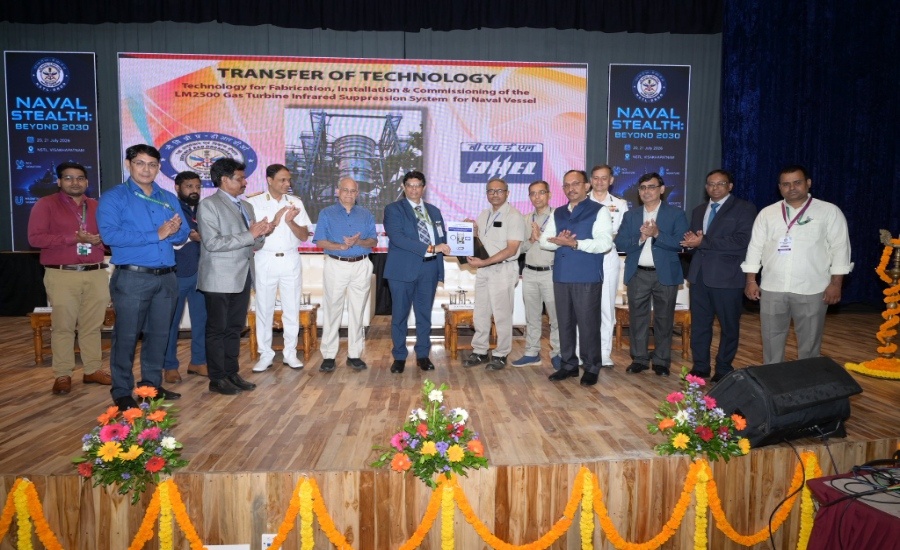
Visakhapatnam: The DRDO naval stealth-beyond 2030 workshop was successfully organised by the Naval Science and Technological Laboratory (NSTL) in Visakhapatnam on 20–21 July 2026. The two-day event brought together experts from DRDO, the Indian Navy, defence shipyards and the defence industry to discuss the future of naval stealth technologies. The workshop also marked an important technology transfer from NSTL to BHEL, supporting India’s goal of building advanced and self-reliant defence systems.
What Is the DRDO Naval Stealth-Beyond 2030 Workshop
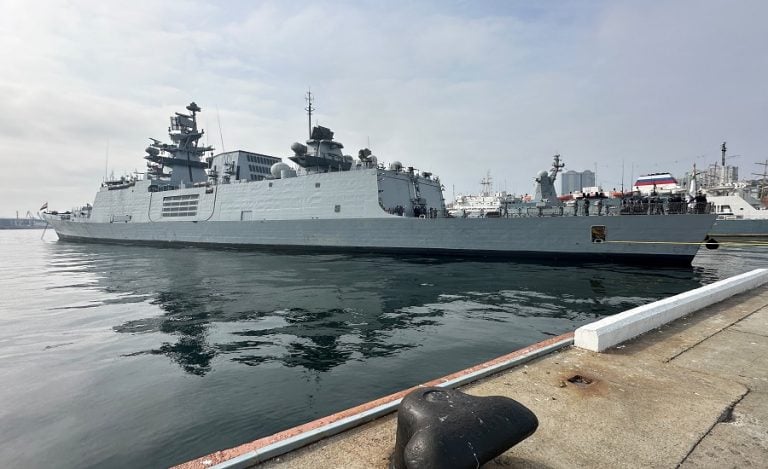
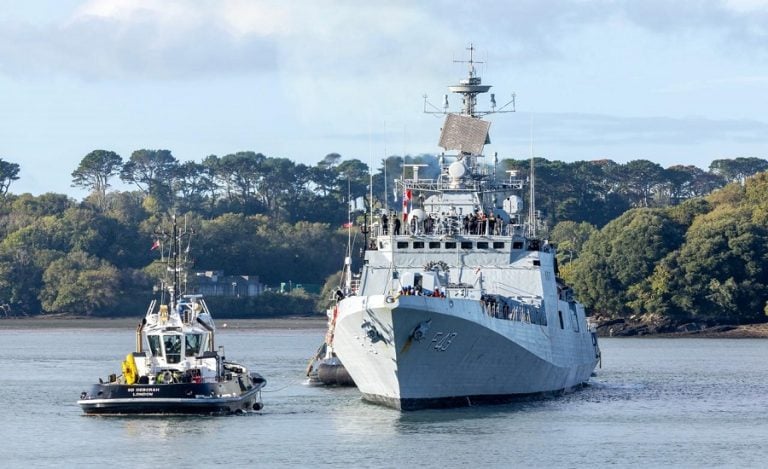
The Defence Research and Development Organisation (DRDO), through its Naval Science and Technological Laboratory (NSTL), organised a special workshop called “Naval Stealth-Beyond 2030.” The event aimed to explore new ideas and future technologies that can make Indian Navy warships harder to detect by enemy radar, infrared sensors, sound detection systems and magnetic sensors.
Read also: DRDO and Indian Navy Achieve Major Milestone with Combat Trial of Advanced Naval Mine
The workshop also encouraged collaboration between scientists, naval officers, defence shipyards and industry experts.
Senior DRDO Officials Inaugurated the DRDO Naval Stealth-Beyond 2030 Workshop
The workshop was inaugurated on 20 July 2026 by Dr. R. V. Hara Prasad, Director General (Naval Systems & Materials). The inauguration was attended by Rear Admiral Sujit Baxi, Director General, Weapons and Electronics (WDB), along with the Director of NSTL and other senior defence officials. Their presence highlighted the importance of developing advanced stealth technologies for the Indian Navy.
NSTL Transfers Advanced Naval Technology to BHEL
One of the biggest achievements of the workshop was the transfer of an important defence technology to Bharat Heavy Electricals Limited (BHEL). NSTL handed over the technology for the Fabrication, Installation and Commissioning of the LM2500 Gas Turbine Infrared Suppression System for naval vessels.
This system reduces the infrared heat signature of a warship, making it more difficult for enemy heat-seeking missiles and infrared sensors to detect and track the vessel. The technology transfer is another step towards strengthening India’s indigenous defence manufacturing under the Aatmanirbhar Bharat initiative.
More Than 125 Defence Experts Participated
The workshop was attended by over 125 delegates from across India’s defence ecosystem. Participants included experts from DRDO laboratories, the Indian Navy, defence public sector shipyards, private defence companies and research organisations. The event created a platform to exchange ideas and identify future research priorities in naval stealth technology.
Important Topics Discussed During the DRDO Naval Stealth-Beyond 2030 Workshop
Experts discussed several advanced technologies that can improve the survivability of future Indian Navy warships. Key topics included:
- Radar Cross Section (RCS) reduction
- Infrared Signature Management
- Acoustic Stealth Technologies
- ELFE and Magnetic Signature Management
- Integrated Multi-Spectral Stealth Concepts
- Future Naval Stealth Technologies Beyond 2030
These technologies are designed to reduce the chances of enemy detection during naval operations.
Why Naval Stealth Technology Is Important
Modern naval warfare depends heavily on stealth technology. A warship that is difficult to detect has a better chance of completing its mission safely. By reducing radar, infrared, acoustic and magnetic signatures, naval ships become harder for enemy sensors, radars and guided weapons to locate. This helps improve operational capability and increases the safety of naval personnel during combat missions.
About NSTL
The Naval Science and Technological Laboratory (NSTL) is a premier DRDO laboratory located in Visakhapatnam. NSTL develops advanced technologies for the Indian Navy, including underwater weapons, torpedoes, naval stealth systems, underwater sensors and signature management technologies. The laboratory plays a key role in strengthening India’s indigenous naval defence capabilities.