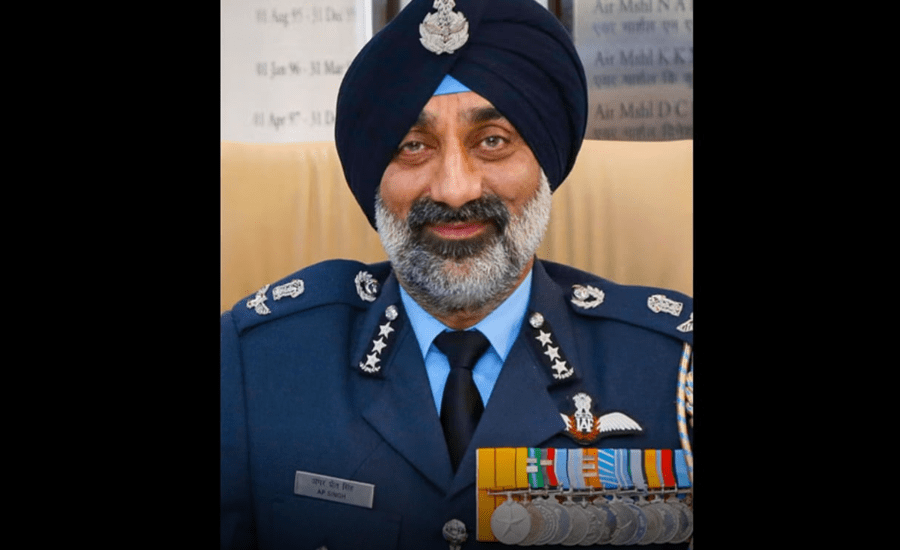
New Delhi: The Indian Air Force (IAF) continues to wait for deliveries of the Tejas Mk-1A fighter aircraft. Air Chief Marshal A.P. Singh acknowledged that delays in the indigenous fighter jet program have been longer than expected and said the Air Force is also looking towards the more advanced Tejas Mk-2 fighter jet to address future capability requirements. The remarks were made during a press conference ahead of the Indian Air Force Day celebrations.
The statement highlights the importance of timely aircraft deliveries as the IAF works to strengthen its fighter fleet and reduce capability gaps through indigenous defence programs.
IAF Chief Admits Tejas Mk-1A Fighter Jet Delays Have Been Longer Than Expected
Speaking to reporters, Air Chief Marshal A.P. Singh said delays can happen in defence projects, but the current delay in the Tejas Mk-1A program has been significant. He noted that while the Air Force remains committed to indigenous aircraft programs, timely delivery is essential to maintain operational readiness and replace ageing fighter aircraft. The IAF chief added that the Air Force is also looking towards the Tejas Mk-2 program, which is expected to provide enhanced capabilities in the future.
Read also: Why HAL Is Turning To Private Companies To Build India’s Next-Generation Fighter Jets
Why Tejas Mk-1A Fighter Jet Is Important For The IAF
The Tejas Mk-1A is an upgraded version of India’s Light Combat Aircraft (LCA). It includes improved avionics, advanced radar systems, enhanced electronic warfare capabilities, and better combat performance compared to earlier versions. The aircraft is expected to play a key role in strengthening the IAF’s fighter fleet.
What Is Causing The Tejas Mk-1A Fighter Jet Delay
Several factors have contributed to delays in the Tejas Mk-1A program. One major issue has been the delayed supply of GE F404 engines, which affected aircraft production schedules. Additional testing, certification requirements, and integration work have also contributed to slower deliveries.
Despite the delays, Hindustan Aeronautics Limited (HAL) has stated that multiple Tejas Mk-1A airframes have already been completed and are awaiting final clearances and related requirements before delivery.
HAL Says Aircraft Production Is Progressing
HAL recently reported that 27 Tejas Mk-1A airframes have been completed. However, a few remaining technical and certification-related issues still need to be resolved before aircraft can be formally handed over to the Air Force.
IAF Looking Towards Tejas Mk-2
While waiting for Mk-1A deliveries, the Air Force is also focusing on the future Tejas Mk-2 program. The Tejas Mk-2 is expected to be a larger and more capable fighter aircraft with improved range, payload capacity, sensors, and combat performance. It is designed to meet evolving operational requirements of the IAF. The aircraft is considered an important step in India’s long-term indigenous fighter aircraft roadmap.
Mk-2 Expected To Address Capability Gaps
According to the IAF chief, future platforms like the Tejas Mk-2 will help fill capability gaps as the Air Force modernizes its fleet. The program is expected to complement other indigenous projects, including the Advanced Medium Combat Aircraft (AMCA).
Self-Reliance Remains A Key Priority
During the press conference, Air Chief Marshal Singh emphasized the importance of self-reliance in defence production. He said India must reduce dependence on foreign suppliers and strengthen domestic aerospace manufacturing capabilities, especially at a time when global supply chains face disruptions.
The IAF chief highlighted indigenous programs such as Tejas Mk-1A, Tejas Mk-2, and AMCA as critical components of India’s long-term defence strategy.
Indigenous Defence Programs Receive Full Support
Singh said the Air Force remains actively involved in supporting domestic defence programs. The objective is to ensure that India develops advanced combat aircraft capabilities while strengthening its defence industrial base.
Read also: Can TEJAS And AMCA Fill India’s Fighter Squadron Gap? New Study Raises Questions
FAQs
The delays are linked to engine supply issues, testing requirements, certification processes, and technical integration work before aircraft deliveries can begin.
Air Chief Marshal A.P. Singh said delays in Tejas Mk-1A deliveries have been significant and longer than expected, although delays can occur in defence programs.
Tejas Mk-2 is a next-generation indigenous fighter aircraft being developed to provide improved range, payload capacity, sensors, and combat capabilities for the Indian Air Force.