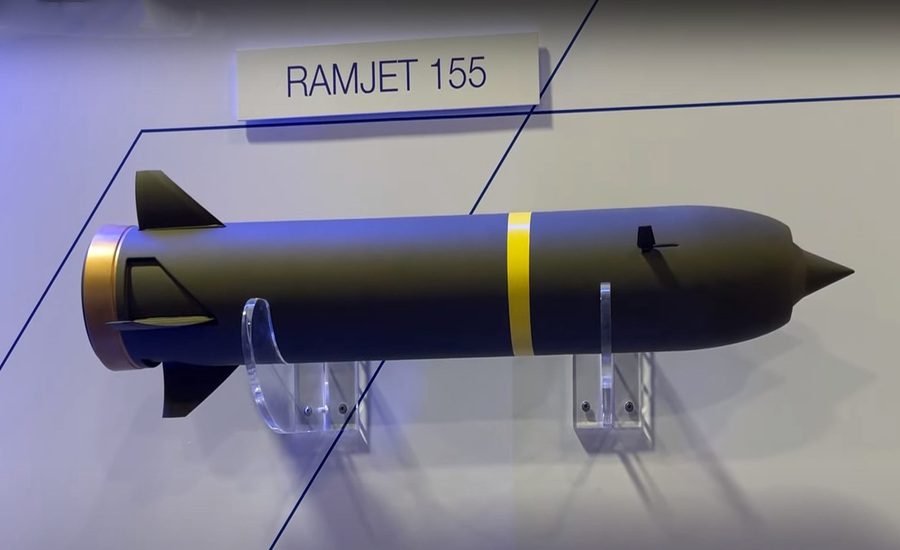
New Delhi: India’s indigenous defence technology is set for a major leap as IIT Madras ramjet engine testing prepares to begin on the Grad rocket launcher. This breakthrough propulsion technology could significantly extend the range of India’s artillery systems.
According to official updates, testing will start in March, with operational clearance targeted by 2028. Once cleared, the ramjet upgrade is expected to double the range of existing systems like Grad and Pinaka, strengthening India’s long-range strike capability and reducing reliance on foreign propulsion technologies.
What Is the Ramjet Engine Programme?
The ramjet engine under development is a fully indigenous propulsion system designed by IIT Madras.
This engine is being created specifically for artillery rockets and missile-like platforms where sustained thrust is needed after launch.
Unlike conventional rocket motors that burn out quickly, a ramjet continues to generate thrust by using incoming atmospheric air, allowing the projectile to travel much farther.
This makes it a game-changing technology for India’s battlefield rockets.
Ramjet Engine Programme: Testing to Begin on the Grad Rocket Launcher
The first live testing phase of the ramjet engine will be conducted using the Grad rocket launcher.
As reported in the @htTweets, @iitmadras is set to begin work on advanced ramjet technology to significantly enhance the Indian Army’s rocket and artillery capabilities.
— IIT Madras (@iitmadras) January 28, 2026
The project, led by Prof. P.A. Ramakrishna from the Department of Aerospace Engineering, IIT Madras, focuses… pic.twitter.com/KLbRNjPF3B
Currently, standard Grad rockets have an effective range of around 40 km.
With the ramjet propulsion system integrated, this range is expected to increase to nearly 80 km.
This upgrade will give Indian artillery units the ability to strike deeper targets without changing existing launcher infrastructure.
Ramjet Engine Programme: Pinaka Rocket System Next in Line
After successful Grad trials, the roadmap includes a similar ramjet upgrade for the Pinaka multi-barrel rocket launcher.
At present, Pinaka variants have a maximum range of about 120 km.
With ramjet propulsion, this could stretch to approximately 250 km.
Such an extension would place Pinaka among the longest-range rocket artillery systems in its class globally.
Why Ramjet Technology Matters for India
Ramjet propulsion offers several strategic advantages:
- Longer range without increasing rocket size
- Higher sustained speeds during flight
- Improved energy efficiency after launch
- Reduced dependency on imported propulsion systems
For India, this aligns perfectly with the goals of self-reliance in defence manufacturing.
Ramjet Engine Programme Timeline
According to the roadmap shared in the report, operational clearance for the ramjet engine is planned by 2028.
Once cleared, the technology will be transferred to a production agency for large-scale manufacturing.
This ensures that the system moves quickly from research to real battlefield deployment.
The project also complements ongoing efforts by DRDO to modernise artillery and missile systems.
What is the Impact of Ramjet Engine Programme
With ramjet-powered rockets, India can:
- Enhance long-range precision strike capability
- Strengthen deterrence along contested borders
- Improve survivability of launch platforms
- Match or exceed regional artillery capabilities
This development significantly boosts India’s stand-off strike potential without violating international treaties.
Read also: DRDO Surya Laser Weapon Explained: Range, Technology, Capabilities, and Strategic Impact