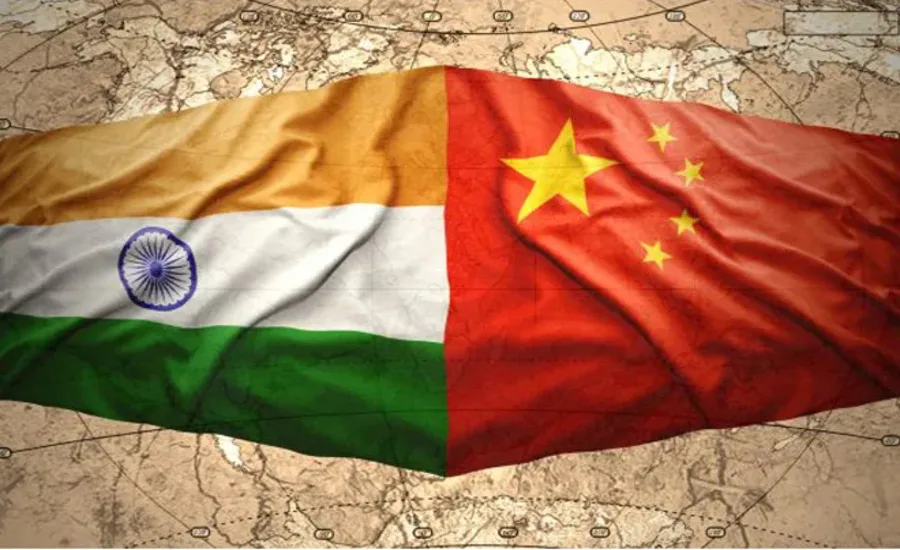
New Delhi: The Ministry of External Affairs (MEA) has said that peace along the India-China border is disturbed when Chinese forces move away from established patrolling patterns. The statement came after the Indo-Tibetan Border Police (ITBP) chief reported continuing face-offs between Indian and Chinese troops at several locations along the Arunachal Pradesh border.
India has said that both countries are using diplomatic and military channels to resolve border issues and prevent misunderstandings. The MEA also stressed that maintaining peace along the Line of Actual Control (LAC) is important for improving relations between India and China.
India-China LAC Tensions: What Did The MEA Say
The Ministry of External Affairs made its statement on October 23, 2026, during a regular media briefing in New Delhi. MEA spokesperson Randhir Jaiswal said that the situation along the India-China border becomes disturbed from time to time when Chinese forces move away from established patrolling patterns.
Read also: Why China Reduced Troops Near India’s Border While Keeping Its Military Power Intact
He explained that both countries continue to use existing diplomatic and military mechanisms to resolve outstanding issues and avoid misunderstandings along the Line of Actual Control.
The ministry also said that India and China have agreed to discuss ways to improve their understanding of the LAC in suitable areas for better border management.
The MEA stressed that peace and tranquillity in border areas are essential for the overall development of relations between the two countries.
ITBP Chief Reports Continuing Face-Offs In Arunachal Pradesh
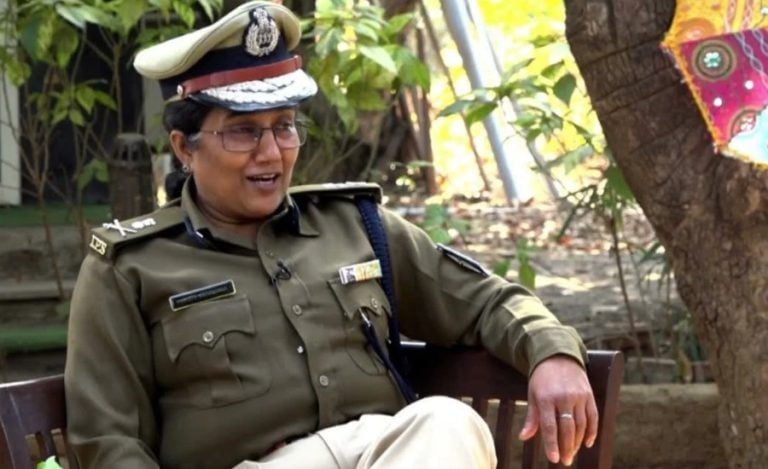
The MEA’s statement came after ITBP Director General Shatrujeet Singh Kapur, an IPS officer of 1990 batch from the Haryana cadre, spoke about continuing face-offs between Indian and Chinese troops along the Arunachal Pradesh border.
According to the ITBP chief, face-offs had taken place at several locations in Arunachal Pradesh in recent days, and the situation was still continuing.
The ITBP chief praised the force’s Shaurya commandos for their role in handling the confrontations. However, the MEA did not provide specific details about the latest face-offs, including their exact locations, duration or the circumstances behind them. It referred questions about the specific incidents to the Ministry of Defence.
The government has reiterated that existing diplomatic and military mechanisms remain important for managing the situation along the border.
Why Does The Line Of Actual Control Matter
The Line of Actual Control is the boundary that separates Indian-controlled areas from Chinese-controlled areas in the border region.
India and China have different views about parts of the LAC. This makes patrolling and border management important for both countries.
When troops from either side move into areas where the other side regularly patrols, face-offs and disagreements can occur. Such incidents can create tension even when neither side wants a larger conflict.
India has repeatedly stressed that peace along the border is necessary for stable relations with China. The two countries continue to use military meetings, diplomatic discussions and other established mechanisms to manage these issues.
India-China LAC Tensions: India And China Agree To Improve Understanding
The MEA said that India and China have agreed to discuss ways to improve their understanding of the LAC in appropriate areas.
The purpose is to support better border management and reduce the chances of misunderstandings. Both countries have continued to use existing diplomatic and military channels to address outstanding border issues.
These mechanisms include discussions between officials and military representatives.
India has emphasised that communication between the two sides is important to avoid unnecessary tensions and miscalculations. However, the latest statement does not mean that all border-related problems have been resolved. The two countries still need to address their differences and maintain peace along the frontier.
ITBP Focuses On Modernisation And Border Security
The ITBP is responsible for guarding India’s border with China in difficult mountain areas. The force operates in high-altitude regions where weather conditions, terrain and limited infrastructure can create major challenges.
ITBP chief Shatrujeet Singh Kapur has said that the force is strengthening its capabilities to deal with changing security challenges. The force is focusing on specialised training, modern equipment and improved readiness.
It has also raised drone platoons in its border units and is developing capabilities to deal with new forms of warfare.
The ITBP chief said that conventional military resources alone may not be enough to deal with the modern capabilities of the Chinese military.
The force is therefore working to improve its drone and anti-drone capabilities. These developments are aimed at strengthening surveillance, improving operational readiness and supporting personnel deployed along the border.
India-China LAC Tensions: ITBP Strengthens Shaurya Commando Units
The ITBP has also been expanding its Shaurya commando units. These personnel receive specialised training for difficult mountain operations and challenging situations along the border.
The ITBP chief said that the force is working towards creating a full battalion of Shaurya commandos. The specialised units are expected to improve the force’s ability to operate in high-altitude areas.
The ITBP is also focusing on modern weapons, training and infrastructure to support its personnel. These efforts are part of a wider plan to prepare the force for changing security requirements along the India-China border.
India Says Ladakh Is An Integral Part Of The Country
The latest border developments come amid continuing disagreements between India and China over Ladakh.
The MEA recently reiterated that the Union Territory of Ladakh is an integral and inalienable part of India. The statement came after China opposed India’s identification of 28 places and geographical features in Ladakh using standard names on the official Survey of India map.
India said that the identification process was carried out in consultation with the Union Territory of Ladakh and local stakeholders.
The government explained that the purpose was to improve public awareness and help people recognise the exact locations of these geographical features.
India also said that China’s objections cannot change the established status of Ladakh as part of India. The disagreement highlights the continuing differences between the two countries over border-related matters.
India-China Relations Show Improvement But Border Issues Remain
India and China have taken steps to improve their relations after the serious border tensions that began in 2020.
External Affairs Minister S Jaishankar said in September 2026 that relations between the two countries had improved compared with previous years. However, he cautioned that this improvement should not be treated as a complete change in the relationship.
He explained that the improvement was mainly a recovery from the serious problems caused by the prolonged border stand-off.
Trade between the two countries continued during the difficult period, but several official exchanges, visa services and flights were affected. Some of these contacts have gradually returned as the situation has stabilised.
India has maintained that the condition of the border will continue to influence the future of bilateral relations.
Read also: India China Border Tensions: ITBP Deploys Shaurya Commandos Along LAC
FAQs
MEA spokesperson Randhir Jaiswal said that the situation along the India-China border gets disturbed from time to time when Chinese forces diverge from established patrolling patterns. He added that both countries continue using diplomatic and military mechanisms to avoid misunderstandings.
India-China border tensions came into focus after ITBP chief Shatrujeet Singh Kapur reported continuing face-offs at several locations along the Arunachal Pradesh border. The MEA said border disturbances occur when Chinese forces move away from established patrolling patterns.
The Line of Actual Control is the boundary that separates Indian-controlled areas from Chinese-controlled areas in the India-China border region. Both countries have different views about parts of the LAC, making border management and communication important for maintaining peace.