Shree Vijayapuram: The Indian Coast Guard joint maritime rescue drill in the Andaman and Nicobar Islands comes at a critical time as the Indian Space Research Organisation (ISRO) has warned of an unusually intense cyclone season in the North Indian Ocean.
The two-day exercise aimed to strengthen disaster preparedness, improve inter-agency coordination, and ensure faster response during maritime emergencies.
The drill brought together multiple government agencies and security forces to test rescue capabilities and emergency response mechanisms ahead of the expected cyclone threat later this year.
Details of Indian Coast Guard Joint Maritime Rescue Drill
The Indian Coast Guard (ICG) conducted a two-day Maritime Search and Rescue (MSAR) exercise at Sri Vijaya Puram, formerly known as Port Blair, in the Andaman and Nicobar Islands.
Read also: What Is Project VEDA? How It Strengthens India’s Space Security and Military Readiness
The exercise involved several stakeholders, including the Indian Army, Indian Air Force, Directorate of Shipping Services, Meteorological Department, Fisheries Department, Forest Department, Revenue Department, and the Police Marine Force. Officials said the exercise was designed to improve preparedness for natural disasters and maritime emergencies in the strategically important island region.
ISRO Warns Of Powerful Cyclone Season In 2026
The rescue drill gained added importance after ISRO scientists forecast the possibility of three high-intensity tropical cyclones in the North Indian Ocean between October and December 2026.
According to ISRO’s analysis, the post-monsoon cyclone season could be significantly stronger than historical averages.
Researchers indicated that the cumulative cyclone intensity this year may be up to 83 percent higher than the 44-year average, raising concerns among disaster management authorities.
Why Scientists Are Concerned
ISRO researchers studied decades of oceanographic and atmospheric data to develop the forecast. The analysis suggests that changing climate conditions and ocean temperatures could create highly energetic weather systems capable of generating severe cyclones. Scientists warned that these systems may lead to rough sea conditions, stronger winds, heavy rainfall, and coastal disruptions.
Importance Of The Andaman And Nicobar Islands
The Andaman and Nicobar Islands occupy a highly strategic position in the Indian Ocean Region. Several major international shipping routes pass close to the island chain, making maritime safety a national and international priority.
The islands also depend heavily on ships and ferries for transportation and connectivity. Severe weather conditions can disrupt these services and put lives at risk.
Need For Faster Emergency Response
Authorities believe that preparedness and rapid response are essential to reducing the impact of cyclones and maritime accidents.
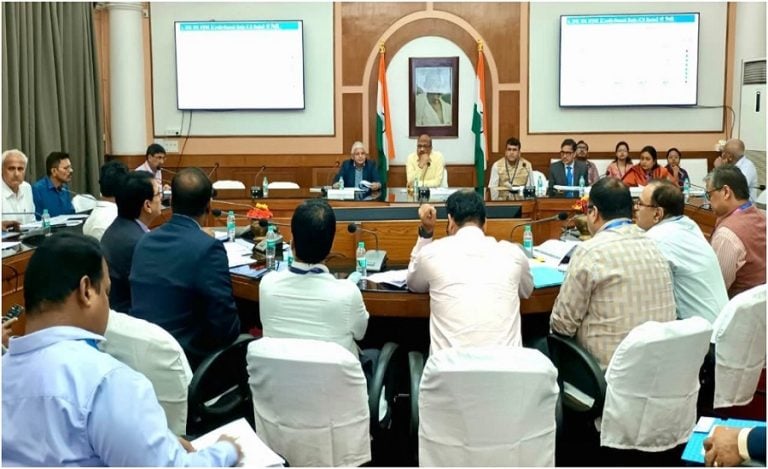
The rescue exercise provided an opportunity for agencies to test communication systems, emergency procedures, and coordination mechanisms under simulated crisis conditions.
This helps identify operational gaps before an actual emergency occurs.
What Happened During Indian Coast Guard Joint Maritime Rescue Drill
The two-day exercise included tabletop simulations as well as practical field demonstrations. Rescue teams practiced emergency response procedures for maritime incidents, including search-and-rescue operations at sea.
Ships, helicopters, and smaller rescue boats participated in realistic mock drills designed to replicate cyclone-related emergencies. Officials said the exercise focused on creating a swift, seamless, and coordinated response framework among all participating agencies.
Key Objectives Of The Indian Coast Guard Joint Maritime Rescue Drill
The exercise aimed to:
- Improve inter-agency coordination
- Strengthen maritime disaster preparedness
- Test rescue and evacuation procedures
- Enhance communication during emergencies
- Protect coastal communities and maritime assets
- Ensure quicker response during cyclones and accidents
Strengthening India’s Maritime Safety Network
India has increasingly focused on maritime security and disaster management due to growing climate-related risks. The Indian Coast Guard plays a central role in conducting search-and-rescue missions, protecting coastal regions, and assisting communities during natural disasters.
Regular exercises such as the MSAR drill help maintain operational readiness and improve coordination among civil and military agencies.
Read also: Indian Coast Guard Gets Historic Policy Upgrade: Here’s What Has Changed
FAQs
ISRO has warned that the North Indian Ocean could experience three high-intensity tropical cyclones between October and December 2026, with overall cyclone intensity potentially much higher than historical averages.
The exercise was conducted to improve disaster preparedness, strengthen inter-agency coordination, and enhance search-and-rescue capabilities ahead of the expected cyclone season.
The islands are located near major international shipping routes and depend heavily on sea transport, making effective disaster response and maritime rescue capabilities extremely important.