New Delhi: India has achieved a significant milestone in defence manufacturing with Solar Defence’s indigenous 125 kg air bomb completing fitment and drop trials on frontline Indian Air Force (IAF) platforms such as the Su-30MKI and Jaguar aircraft. Developed under the government’s Make-II initiative to enhance defence self-reliance, this universal bomb bridges capability gaps between Russian and Western systems.
What Is Solar Defence Indigenous 125kg Air Bomb
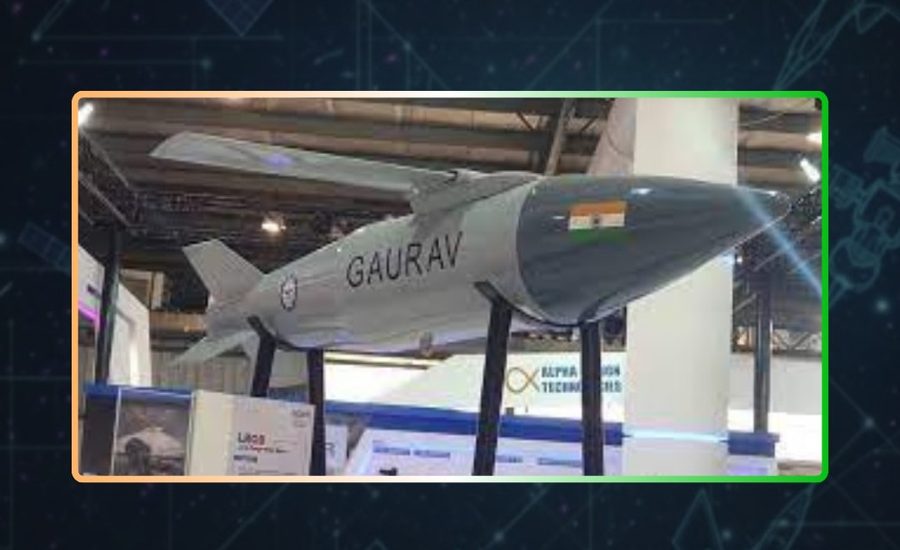
The 125 kg air bomb is an indigenous aerial munition engineered and produced by Solar Defence & Aerospace Limited, a private defence manufacturer based in Nagpur, India. It is similar in class and dimensions to the NATO MK-81 general-purpose bomb, making it compatible with a broad range of aircraft.
Key features include:
- Universal compatibility with both Russian and Western aircraft armament systems.
- Two warhead configurations:
• Pre-Fragmentation (PF) for effective fragmentation and personnel targets.
• Blast-Fragmentation (BF) for combined blast and shrapnel effects against broader targets.
- Dual-fuse capability with nose and tail fuses for flexible detonation modes.
These features allow pilots to select the best effect based on mission requirements — from close support to destroying fortified positions.
Importance of Indigenous 125kg Air Bomb
India’s defence forces traditionally relied on multiple types of bombs sourced from different nations, which required separate inventory management due to differences in suspension lugs, avionics interfaces and release mechanisms.
The Solar Defence 125 kg bomb overcomes these challenges by using adaptive hardware that reduces logistical complexity and storage burdens while ensuring compatibility across fighter jets such as:
- Su-30MKI — the backbone strike aircraft of the IAF.
- SEPECAT Jaguar strike aircraft.
- Mirage-2000 and other NATO-standard aircraft.
Because it can be used by both Russian and Western origin platforms without major modifications, it streamlines weapons readiness and simplifies maintenance — crucial factors during high-tempo operations.
Boosting Atmanirbhar Bharat & Defence Production
This indigenous bomb aligns with the Government of India’s Atmanirbhar Bharat initiative, particularly in defence production, where the goal is to reduce imports and foster advanced domestic manufacturing.
Under the Make-II category of the Defence Acquisition Procedure (DAP) — which encourages private sector innovation — Solar Defence worked closely with the Defence Research and Development Organisation (DRDO) and other partners to deliver this capability.
The bomb’s development also demonstrates the growing role of private firms in India’s defence industrial ecosystem, traditionally dominated by state-owned enterprises.
Trials Details of Indigenous 125kg Air Bomb
Comprehensive performance and integration tests have been successfully conducted including:
Fitment & Integration Tests
The bomb has been tested on the IAF’s Su-30MKI and Jaguar, ensuring that no changes were required to existing pylons or avionics.
Dynamic Drop Trials
Trials were carried out at various altitudes and airspeeds to simulate operational conditions, confirming stable flight and delivery accuracy.
Environmental Validation
The weapon underwent environmental stress testing to validate performance under extremes of temperature, humidity and vibration — consistent with operational theatres across South Asia.
These successful evaluations pave the way for formal user trials and eventual induction into IAF inventories, potentially by late 2026.
Implications of Indigenous 125kg Air Bomb
With compatibility across diverse aircraft types, the IAF now gains:
- Increased mission flexibility in precision strike scenarios.
- Easier logistics for ammunition stockpiles.
- Lower dependency on foreign-made munitions.
Future-Ready Architecture
The modular design of the bomb supports future enhancements such as GPS/INS guidance kits and network-centric integration — keeping pace with evolving battlefield needs.
Enhanced Combat Readiness
Indigenous production ensures faster turnaround times for replenishment, crucial for sustained air operations.
Read also: Inside the Indian Army’s ‘Bhairav’ Force: How 100,000 Drone Warriors Are Transforming Modern Warfare