New Delhi: In a major boost to health security in the national capital, Delhi Chief Minister Rekha Gupta has announced the inclusion of widow pensioners and persons with disabilities receiving pensions under the ambit of Pradhan Mantri Jan Arogya Yojana.
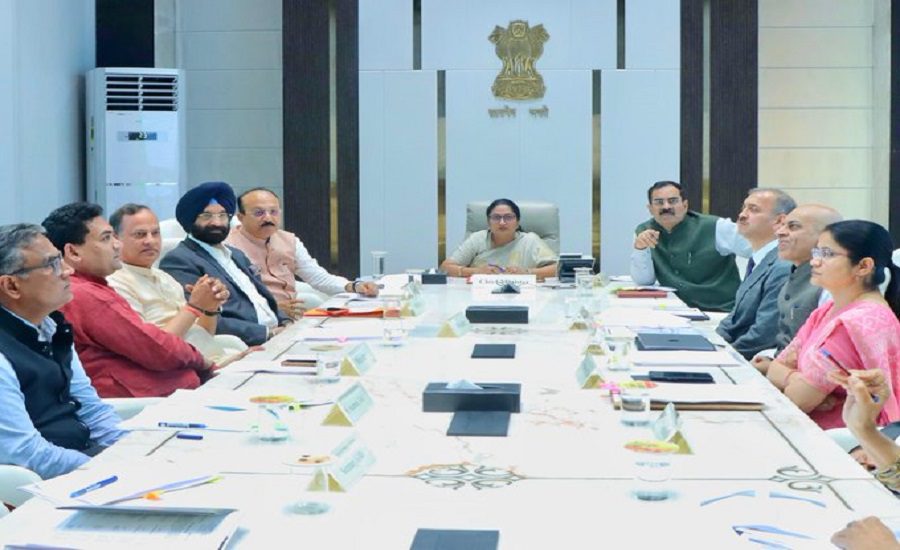
The decision was approved during a Cabinet meeting chaired by the Chief Minister at the Delhi Secretariat on Tuesday. With this move, the families of these beneficiaries will also become eligible to avail benefits under the central health insurance scheme.
5.5 Lakh Additional Families to Receive Health Protection
According to the Chief Minister, approximately 3,96,615 widow pension beneficiaries and 1,31,515 disability pension beneficiaries will directly benefit from the decision.
With their inclusion, nearly 5.5 lakh additional families will now come under the robust health security umbrella of the scheme in Delhi.
These families will be added to the already covered categories, including:
- Antyodaya Anna Yojana (AAY) and Priority (PRS) families
- Senior citizens aged 70 years and above
- ASHA workers
- Anganwadi workers and helpers
This expansion significantly widens the scope of health coverage in the national capital.
Read also: Delhi CM Rekha Gupta Marks One Year with Launch of 4,000 Electric Buses and 37 New STPs
Commitment to No Citizen Left Behind
CM Rekha Gupta stated that the government is committed to ensuring that no poor, vulnerable, or needy citizen in Delhi is deprived of medical treatment due to financial constraints.
She emphasized that the decision aligns with Prime Minister Narendra Modi’s vision of “Sabka Saath, Sabka Vikas, Sabka Vishwas aur Sabka Prayas.” Under Ayushman Bharat, millions of families across India have gained access to quality healthcare services.
The Delhi government, she said, is determined to ensure that every eligible person in the capital receives the benefits of the scheme.
Focus on Affordable and Quality Healthcare
The Chief Minister reiterated that the government’s clear objective is to ensure that no eligible citizen is denied access to quality and affordable healthcare.
Key highlights of implementation in Delhi:
- 7,23,707 Ayushman cards issued so far
- 2,74,620 cards issued to senior citizens
- 208 hospitals empanelled, including 156 private and 53 government hospitals
- 29,120+ beneficiaries treated under the scheme through the State Health Agency (SHA) Delhi
The expanded coverage is expected to strengthen Delhi’s healthcare safety net and improve access to hospital treatment for economically weaker sections.
A Step Toward an Inclusive and Equitable Delhi
Calling it more than just an administrative decision, CM Rekha Gupta described the move as a commitment to dignity, healthcare access, and social justice for vulnerable families.
The initiative marks a significant step toward building a healthier, inclusive, and equitable Delhi—ensuring that the benefits of development reach every deserving citizen without leaving anyone behind.
Read also: Delhi CM Rekha Gupta Marks One Year with Launch of 4,000 Electric Buses and 37 New STPs