New Delhi: Dedicated Freight Corridor Corporation of India Limited (DFCCIL) has commissioned the Gati Shakti Multi-Modal Cargo Terminal (GCT) at New Gulaothi on the Eastern Dedicated Freight Corridor (EDFC), marking a major step towards enhancing rail-based logistics infrastructure in Western Uttar Pradesh.
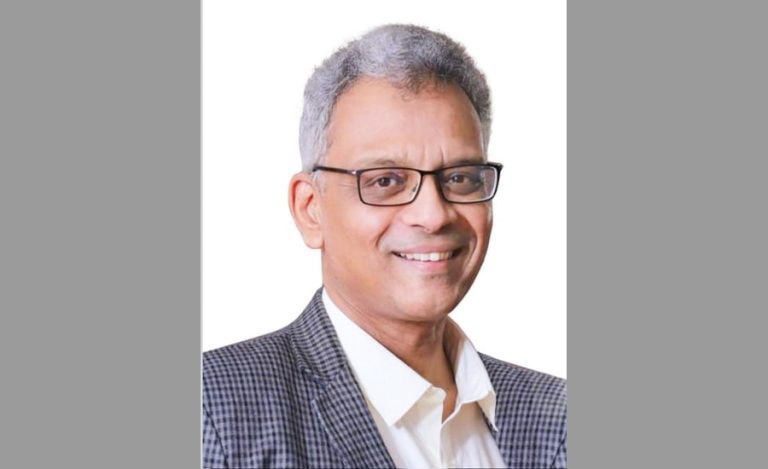
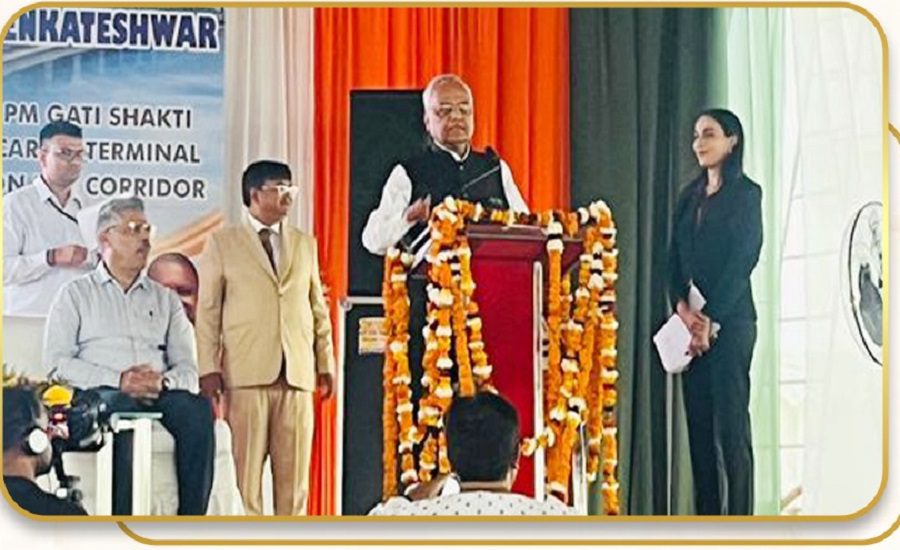
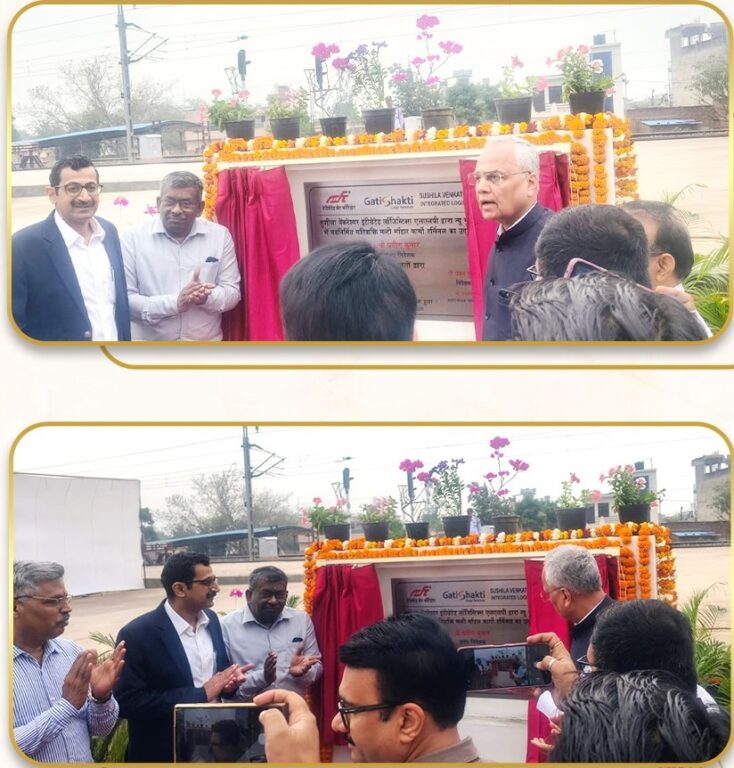
The terminal was inaugurated by Praveen Kumar, Managing Director of DFCCIL, in the presence of senior officials and stakeholders.
Boost to Logistics Efficiency and Ease of Doing Business
Speaking at the inauguration, Praveen Kumar highlighted that the commissioning of the terminal represents a key milestone in improving logistics efficiency, reducing transportation costs, and promoting ease of doing business.
Officials also praised the swift execution of the project, which was awarded in April 2025 and completed by January 2026—demonstrating strong coordination and commitment to infrastructure development.
Read also: DFCCIL Appoints Mr. Ashok Kumar as Joint General Manager (Mechanical) for Three-Year Deputation
Modern Infrastructure and Capacity Highlights
Developed by M/s Sushila Venkateshwara Integrated Logistics LLP under the PM Gati Shakti Cargo Terminal Policy, the facility has been built at a cost of ₹11.40 crore across 12.64 acres.
Key features of the terminal include:
- 750-metre-long goods handling line for long freight trains
- Two dedicated platforms (163 m × 16 m and 600 m × 30 m)
- Container handling systems and modern warehousing
- Rapid loading and unloading facilities
- Multimodal connectivity for seamless logistics operations
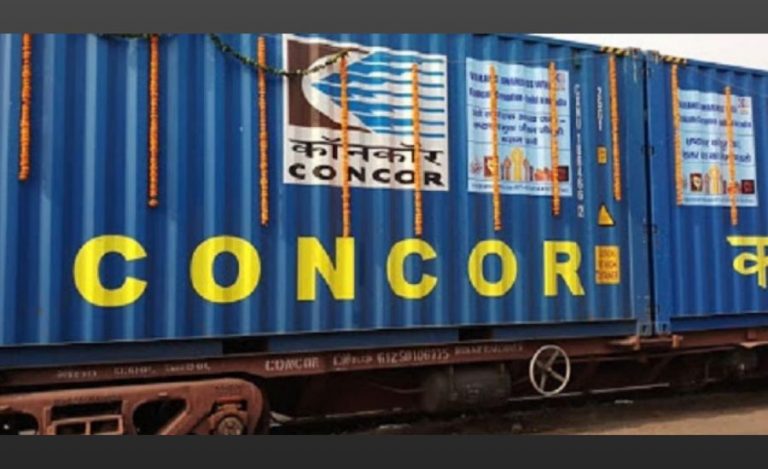
The terminal is expected to handle around 40 rakes per month, supporting both inbound and outbound cargo flows.
Strengthening Industrial and Regional Connectivity
Strategically located near the Khurja–Dadri section of the EDFC, the terminal ensures seamless connectivity across key freight routes. Its linkage with the Western Dedicated Freight Corridor (WDFC) will enable smooth cargo movement up to major ports such as Jawaharlal Nehru Port Trust (JNPT), significantly reducing transit time and logistics costs.
The terminal also benefits from excellent road connectivity via National Highway-334, the Eastern Peripheral Expressway, and the Delhi–Meerut Expressway, ensuring efficient integration between rail and road transport networks.
Supporting Industries and MSMEs
The new cargo terminal is expected to benefit key industrial hubs such as:
- Noida
- Greater Noida
- Ghaziabad
- Meerut
- Bulandshahr
Outbound cargo will include textiles, agricultural products, and electrical goods destined for states such as Assam, Punjab, and Maharashtra. Inbound freight from Maharashtra, Gujarat, and Tamil Nadu will mainly consist of steel and automobile components, supporting regional manufacturing.
Improved connectivity through the EDFC—from New Sahnewal to New Sonnagar—will help industries access major consumption centres more efficiently, enhancing competitiveness and market reach.
Employment Generation and Economic Growth
The terminal is set to generate significant employment opportunities, both directly and indirectly.
- Direct jobs: Terminal operations, warehousing, cargo handling, logistics management
- Indirect jobs: Transport services, packaging, freight forwarding, maintenance, and supply chain services
Enhanced logistics infrastructure is also expected to attract new investments, warehousing developments, and ancillary industries, driving economic growth in Western Uttar Pradesh.
Advancing PM Gati Shakti Vision
The commissioning of the New Gulaothi GCT will strengthen the overall capacity and efficiency of the EDFC while contributing to the Government of India’s PM Gati Shakti initiative. By improving multimodal connectivity and reducing logistics costs, the project supports India’s broader goal of building a world-class, integrated transport and logistics network.
About DFCCIL
Dedicated Freight Corridor Corporation of India Limited (DFCCIL) is a public sector undertaking under the Ministry of Railways responsible for developing and operating dedicated freight corridors across India. It plays a crucial role in modernizing freight transportation, reducing logistics costs, and enhancing supply chain efficiency, thereby supporting industrial growth and economic development across the country.