New Delhi: India’s efforts to strengthen its underwater defence capabilities have achieved a significant milestone with the inauguration of the Setting to Work Phase-2 (STW-2) activity for the indigenously developed Air Independent Propulsion (AIP) system. Developed by the Defence Research and Development Organisation’s (DRDO) Naval Materials Research Laboratory (NMRL), the system is designed to enhance the underwater endurance of the Indian Navy’s diesel-electric submarines.
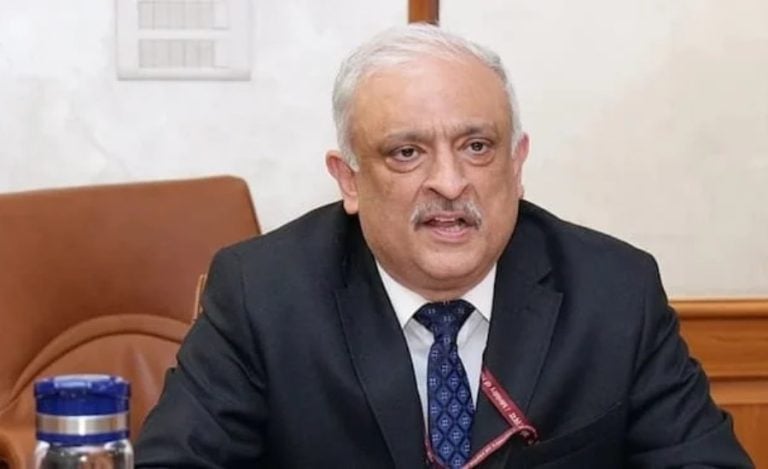
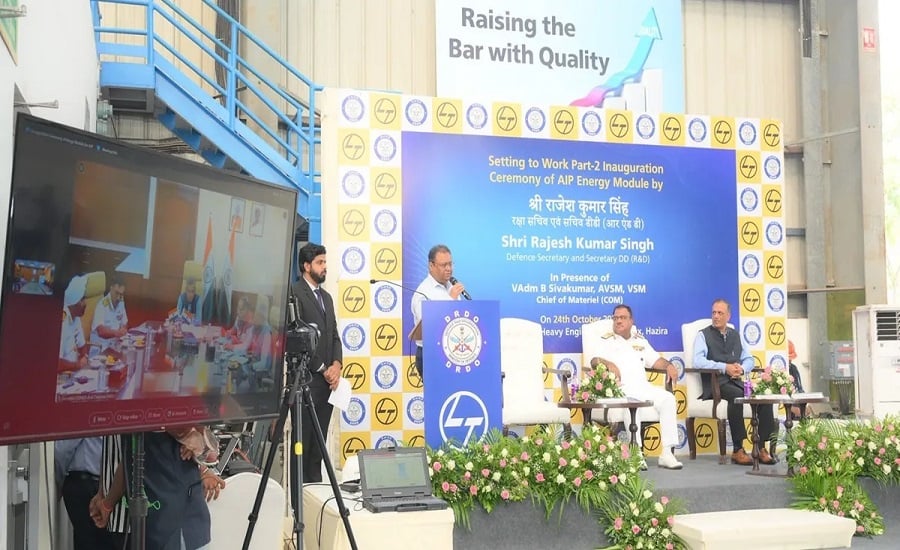
The inauguration ceremony was held on October 24, 2026, at Larsen & Toubro’s (L&T) AM Naik Heavy Engineering Complex in Hazira, Gujarat. Defence Secretary, Secretary of the Department of Defence Research and Development, and DRDO Chairman Rajesh Kumar Singh attended the ceremony virtually as the chief guest.
Chief of Materiel of the Indian Navy Vice Admiral B Sivakumar and DRDO Director General (Naval Systems & Materials) Dr R Balamuralikrishnan were present at the L&T facility in Hazira.
DRDO’s Indigenous AIP System Reaches a Key Development Stage
The inauguration of the STW-2 activity marks an important step in the development and validation of India’s indigenous AIP system. The technology is intended to improve the operational capabilities of conventional diesel-electric submarines by reducing their dependence on atmospheric oxygen.
The AIP Energy Module has been developed indigenously by DRDO’s Naval Materials Research Laboratory in collaboration with industry partners. Its development reflects India’s continued efforts to strengthen defence manufacturing capabilities and reduce reliance on foreign technologies in critical naval systems.
The STW-2 activity will advance the system towards the next stage of testing and preparation for its eventual integration into an Indian Navy submarine.
Read also: India-Portugal Naval Ties Strengthened As INS Trishul Completes Lisbon Visit
DRDO Chairman Praises Scientists and Industry Partners
Addressing the ceremony, DRDO Chairman Rajesh Kumar Singh congratulated the DRDO team and industry partners for their contributions to the indigenous AIP programme. He appreciated their scientific perseverance and industrial cooperation, which have helped translate the programme’s technological objectives into a tangible outcome at the manufacturing facility.
Singh also acknowledged the Indian Navy’s support throughout the programme, particularly its role in testing and validating the system at different stages of the trials.
He emphasised the need to progress through the upcoming phases in line with the Navy’s planned induction timeline. He also underlined the importance of maintaining stringent safety standards, especially because the system involves hydrogen and fuel cell technologies.
AIP Energy Module to Undergo Power Generation Tests
In the next phase, the AIP Energy Module will be energised for power production and subjected to rigorous testing in accordance with Indian Navy protocols.
Following the successful completion of the required tests, the module is scheduled to be handed over to Mazagon Dock Shipbuilders Limited (MDL) for integration into a Kalvari-class submarine in early 2027.
This stage will be crucial in preparing the indigenous system for its planned installation and eventual operational use by the Indian Navy.
Why Is the AIP System Important for Indian Navy Submarines?
Conventional diesel-electric submarines rely on atmospheric oxygen to operate their diesel engines and recharge their batteries. As a result, they periodically need to surface or use a snorkel to replenish their air supply, potentially increasing their exposure to detection.
An Air Independent Propulsion system helps address this limitation by enabling a submarine to generate power underwater without relying on atmospheric oxygen in the same way as conventional diesel propulsion. The indigenous system uses hydrogen and fuel cell technology to support this capability.
The key operational benefits of AIP technology include:
- Extended underwater endurance: It enables conventional submarines to remain submerged for longer periods without surfacing to recharge batteries.
- Improved stealth: Longer underwater operation can reduce opportunities for detection by adversaries.
- Enhanced operational flexibility: Greater submerged endurance can support extended patrols and a wider range of underwater missions.
- Strengthened naval capabilities: The technology can improve the effectiveness of conventional diesel-electric submarines in challenging maritime environments.
Indigenous AIP Technology Supports Defence Self-Reliance
The development of the indigenous AIP system is an important step towards strengthening India’s self-reliance in advanced naval technologies. By developing the Energy Module domestically, DRDO and its industry partners are contributing to the country’s efforts to build critical defence systems within India.
The planned integration of the system into a Kalvari-class submarine, based on the Scorpène design, represents a significant stage in bringing this technology closer to operational deployment.
With STW-2 activity now inaugurated, the focus will shift to power production, rigorous testing and preparation for integration. The successful completion of these stages will be essential to meeting the Indian Navy’s planned induction timeline for the indigenous AIP system.
Read also: Indian Navy’s First Training Squadron Arrives in Maldives to Strengthen Maritime Cooperation