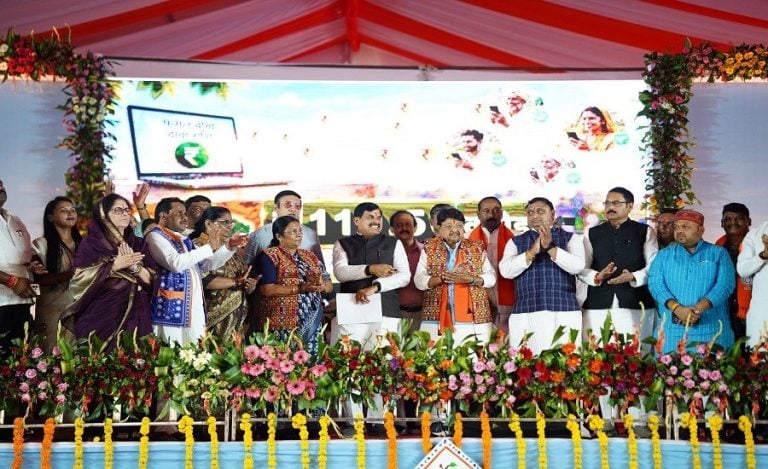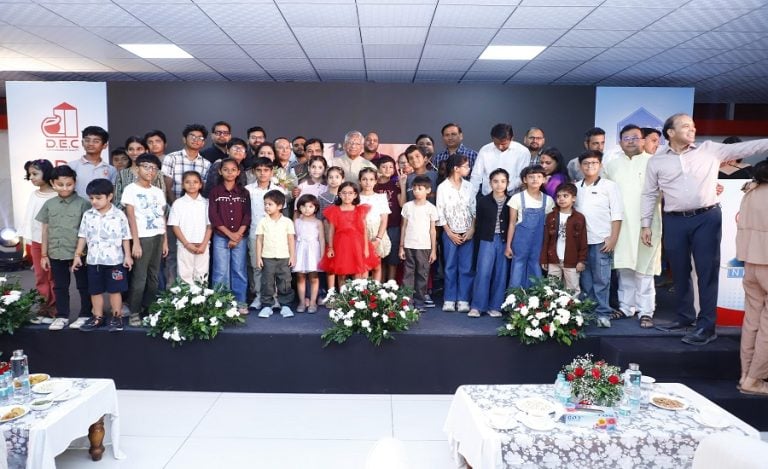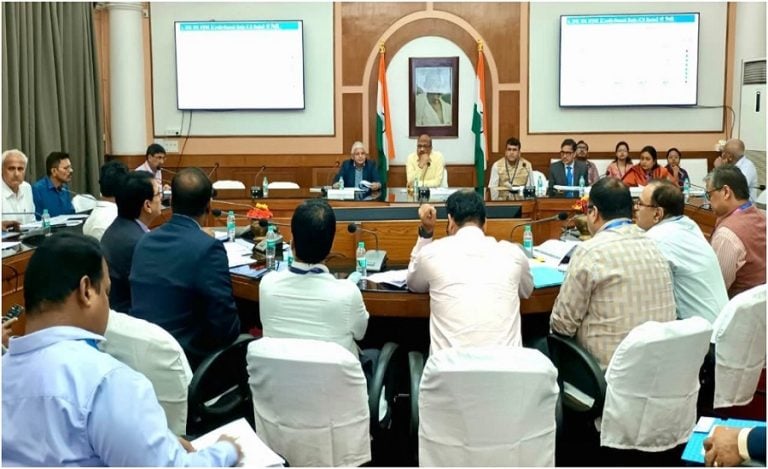
Lucknow: The Election Commission of India (ECI) organised its second regional conference on “Electoral Literacy Clubs (ELC 2.0) and ECINET” in Lucknow, focusing on strengthening electoral literacy and democratic awareness among young citizens through educational institutions.
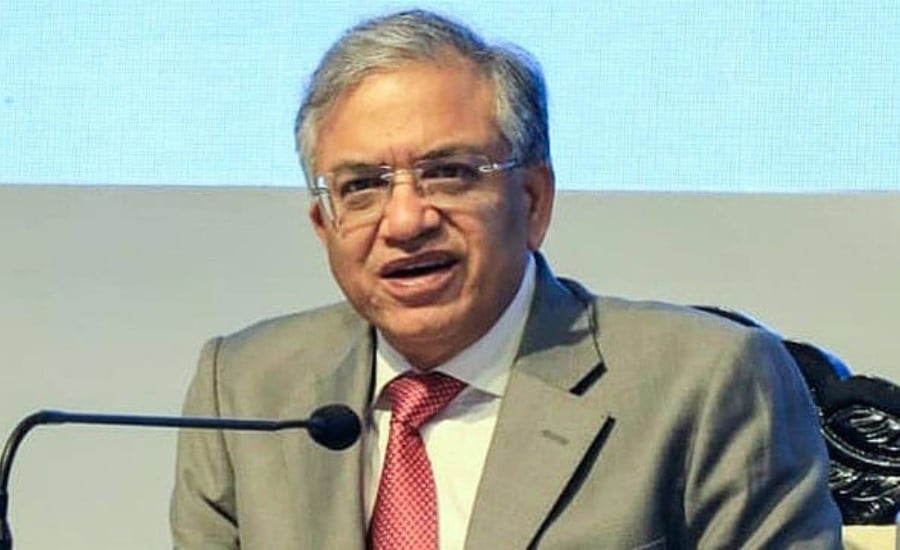
Addressing students and teachers from schools and colleges across Uttar Pradesh, Chief Election Commissioner Gyanesh Kumar, an IAS officer of 1988 batch from Kerala cadre, described students as the future of the nation and emphasised the importance of equipping young citizens with a clear understanding of India’s electoral system.
He said Electoral Literacy Clubs (ELCs) are imperative for carrying forward knowledge and understanding of electoral processes and enriching the country’s democratic system.
CEC Gyanesh Kumar Stresses Importance of Electoral Literacy
CEC Gyanesh Kumar highlighted that elections in India are conducted strictly in accordance with the Constitution of India, laws and instructions issued by the Election Commission of India.
Read Also: Election Re-shuffle: How the Election Commission of India rewrites Bureaucracy during Elections
He also underlined that the electoral process is conducted transparently, with political parties, candidates and their representatives having the opportunity to concurrently audit and observe the process at different stages.
Against this backdrop, he stressed the need to familiarise students and young electors with India’s electoral system, democratic values and the various stages of elections.
This includes understanding electoral registration, polling, counting and the role and functioning of the Election Commission of India.
‘Trust and Informed Participation an Investment in Democracy’
Emphasising the importance of engaging young citizens in democratic processes, Gyanesh Kumar said that building their trust and encouraging informed participation in elections represents an investment in the future of democracy.
The initiative is particularly aimed at young and first-time voters, who form an important part of India’s future electorate.
ELC 2.0, with the tagline “Learn Democracy. Lead Democracy.”, seeks to go beyond merely imparting information about elections. It aims to encourage young citizens to understand democratic institutions and participate meaningfully in the country’s democratic process.
ELC 2.0 to Create Digitally Enabled Electoral Literacy Network
The ECI’s revamped ELC 2.0 initiative reimagines Electoral Literacy Clubs as structured, visible and digitally enabled platforms across schools, colleges and universities.
The initiative envisages continuous, year-round activities to promote electoral literacy among young citizens. It will also seek to extend electoral awareness beyond educational institutions to students’ families and wider communities.
Through these clubs, students will be encouraged to gain factual and experiential knowledge about elections and democratic participation.
ECINET to Provide Digital Platform for Election Services
ELC 2.0 will leverage the ECI’s extensive ECINET digital platform, which brings election-related services together digitally.
A streamlined, pan-India network of Electoral Literacy Clubs will be developed through a dedicated ELC portal on ECINET.
The platform is expected to help educational institutions and ELCs access and disseminate information related to the electoral process more effectively.
The ELC network will also provide information on various stages of elections, including electoral registration, polling and counting, besides creating awareness about the ECINET App and other key initiatives of the Election Commission.
ELC 2.0 to Reach Crores of Students
The initiative assumes significance given the scale of India’s educational ecosystem.
India has approximately 15 lakh schools, with nearly 25 crore students and more than one crore teachers. The country’s higher education ecosystem comprises nearly 1,500 universities and around 70,000 educational institutions, with an estimated enrolment of 4.33 crore students.
The ECI intends to use this extensive institutional network to strengthen electoral education among young citizens.
Through ELC 2.0, the Commission seeks to promote factual and experiential electoral education, improve awareness about the transparency, integrity and credibility of India’s electoral system, and encourage young people to become ambassadors of informed democratic participation.
CEC Visits Alma Mater in Lucknow
Earlier in the day, CEC Gyanesh Kumar visited his alma mater, Colvin Taluqdars’ College, in Lucknow.
He interacted with teachers and students at the institution as part of his visit to Uttar Pradesh.
The ECI’s regional conference brought together students and teachers to discuss ways of strengthening electoral literacy and democratic awareness at the grassroots level through educational institutions.
CEC to Interact With Uttar Pradesh BLOs
The visit will continue on the second day, when CEC Gyanesh Kumar is scheduled to interact with Booth Level Officers (BLOs) of Uttar Pradesh.
The interaction with BLOs will provide an opportunity to discuss the role of election officials at the ground level and the importance of ensuring an informed and accessible electoral process.
ELCs to Promote Informed Democratic Participation
The ECI’s ELC 2.0 initiative seeks to establish electoral literacy as an ongoing educational activity rather than a programme limited to election periods.
By connecting educational institutions, students, teachers and communities through structured activities and digital platforms, the initiative aims to create greater awareness of the electoral process among young Indians.
The Commission also intends for ELCs to serve as platforms through which students can understand the different stages of elections and the institutional mechanisms that support India’s democratic system.
With millions of students and teachers potentially connected through the country’s vast educational network, ELC 2.0 and ECINET are designed to strengthen electoral awareness among a new generation of citizens and encourage informed participation in the world’s largest democracy.