Jaipur: The trailer of the wildlife documentary ‘Enchanting Mukundra’ was officially launched in Rajasthan, marking a significant step toward showcasing the pristine natural beauty and rich biological diversity of the Mukundra Hills Tiger Reserve (MHTR) to a global audience.
Produced by Wildlife Moments India, the documentary aims to highlight the lesser-known ecological treasures of Mukundra, one of Rajasthan’s youngest and most ecologically sensitive tiger reserves.
The trailer launch has generated strong interest among conservationists, wildlife filmmakers, environmental researchers, and nature enthusiasts.
Enchanting Mukundra Documentary: A Visual Journey Into an Untouched Wilderness
‘Enchanting Mukundra’ offers a rare cinematic exploration of the untouched landscapes, dense forests, rugged hills, and thriving wildlife of the Mukundra Hills Tiger Reserve, located near Kota in southeastern Rajasthan.
The documentary captures the followings;
- Vast forest corridors and rocky terrains
- Indigenous flora unique to the region
- Diverse wildlife species, including apex predators and rare birds
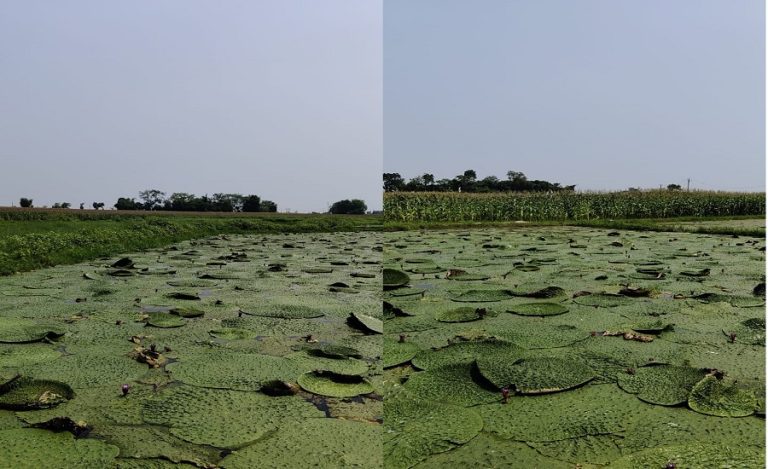
- Natural water bodies sustaining the ecosystem
Through high-definition visuals and immersive storytelling, the film seeks to present Mukundra not just as a tiger habitat, but as a living ecological system.
Enchanting Mukundra Documentary: Spotlight on Biodiversity and Conservation
According to forest officials associated with MHTR, the documentary emphasizes biodiversity conservation and the importance of protecting fragile ecosystems in semi-arid landscapes like Rajasthan.
Mukundra Hills Tiger Reserve is home to:
- Bengal tigers
- Leopards
- Sloth bears
- Chital, sambar, and nilgai
- Numerous reptile and bird species
The film underlines how conservation efforts, habitat restoration, and scientific wildlife management are helping revive the ecological balance of the reserve.
Raising Awareness Through Wildlife Cinema
The makers of ‘Enchanting Mukundra’ stated that the documentary is designed to educate, inspire, and create awareness about wildlife conservation among the general public, especially the youth.
By blending cinematic storytelling with factual accuracy, the film aims to:
- Promote environmental responsibility
- Encourage eco-tourism
- Support conservation-led development
- Strengthen public engagement with wildlife protection initiatives
Such wildlife documentaries play a crucial role in bridging the gap between scientific conservation efforts and public understanding.
Read also: India’s First Interstate Tiger Airlift: Tigress PN-224 to Roar in Rajasthan’s Ramgarh Reserve