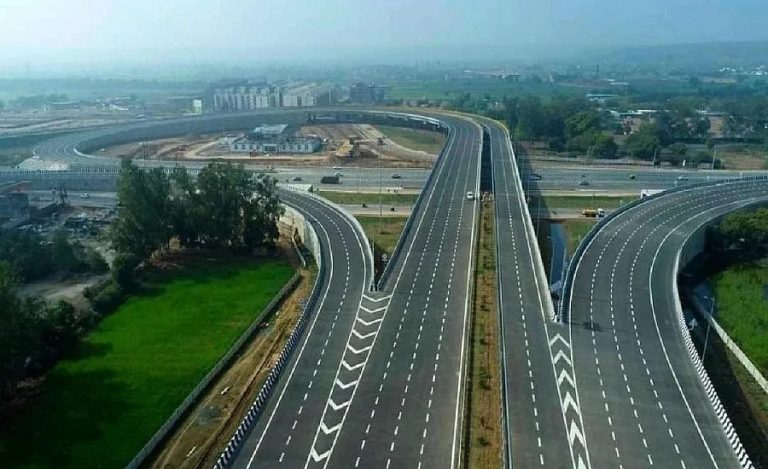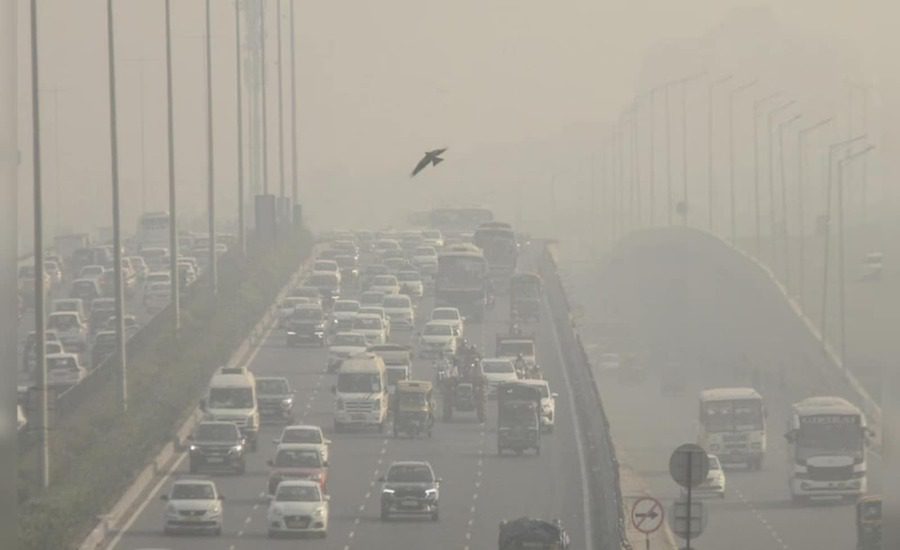
New Delhi: In a significant move to tackle chronic traffic congestion in South Delhi, the Delhi government has approved three long-pending infrastructure projects, including the construction of two half flyovers and a stormwater drainage system along the Mehrauli–Badarpur (MB) Road corridor.
The projects, cleared by the Expenditure Finance Committee (EFC), are expected to substantially improve traffic flow, reduce travel time, and address flooding issues in one of the city’s busiest zones.
The projects will be executed by the Public Works Department (PWD) at an estimated cost of ₹759 crore, marking one of the most comprehensive congestion-relief initiatives undertaken in South Delhi in recent years.
Major South Delhi Traffic Decongestion Projects
Here are the major South Delhi traffic decongestion projects;
1. Doubling of Savitri Cinema Flyover
The Savitri Cinema flyover, a major traffic artery connecting several residential and commercial hubs, will be widened to accommodate increased vehicular load.
Read also: Delhi’s Administrative Map Redrawn: Government Increases Districts from 11 to 13
The expansion is expected to reduce bottlenecks during peak hours, especially for commuters traveling between South Delhi and Central Delhi.
2. Expansion of Kalkaji (Modi Mill) Flyover
The existing Kalkaji flyover, also known as the Modi Mill flyover, will be doubled and seamlessly linked with the Savitri Cinema flyover.
This integration will create a continuous elevated corridor, allowing uninterrupted traffic movement across a critical stretch.
3. Mehrauli–Badarpur Road (MB Road) Stormwater Drain Project
Alongside flyover expansion, the government has approved a stormwater drain project on MB Road, a stretch notorious for waterlogging during monsoon seasons.
The drainage upgrade aims to prevent flooding, protect road infrastructure, and ensure year-round traffic reliability.
Importance of South Delhi Traffic Decongestion Projects
South Delhi is home to dense residential colonies, major educational institutions, business districts, and arterial roads linking Gurgaon, Faridabad, and Central Delhi.
For years, commuters have faced:
- Severe traffic congestion
- Long travel times
- Frequent waterlogging during monsoons
- Poor coordination between infrastructure projects
Officials acknowledged that these projects had remained stalled for years due to administrative indecision and lack of coordinated planning.
Government’s Push for Faster Execution
PWD Minister Parvesh Verma stated that with EFC clearance now in place, the government is moving decisively toward execution.
> “These projects were pending for years due to indecision and lack of coordinated planning. With financial clearance now secured, we are firmly moving towards execution,” the minister said.
According to officials, the tendering process is expected to begin soon, following formal financial approvals.
South Delhi Traffic Decongestion Projects: Improved Traffic Flow and Road Capacity
Once completed, the corridor from the Modi Mill flyover to the IIT Gate intersection will feature:
- Three lanes in both directions
- Smoother and uninterrupted traffic flow
- Reduced congestion at major junctions
- Enhanced safety for daily commuters
Urban planners believe the integrated corridor will significantly ease pressure on adjoining roads and alternative routes.
Read also: Delhi Government to Replace All Fuel-Based Vehicles with EVs at Asola Bhatti Wildlife Sanctuary