New Delhi: The Jal Jeevan Mission 2.0 has received a major boost after the Union Cabinet approved the expansion of the flagship rural drinking water scheme with a massive outlay of around ₹8.69 lakh crore.
What Is the Jal Jeevan Mission?
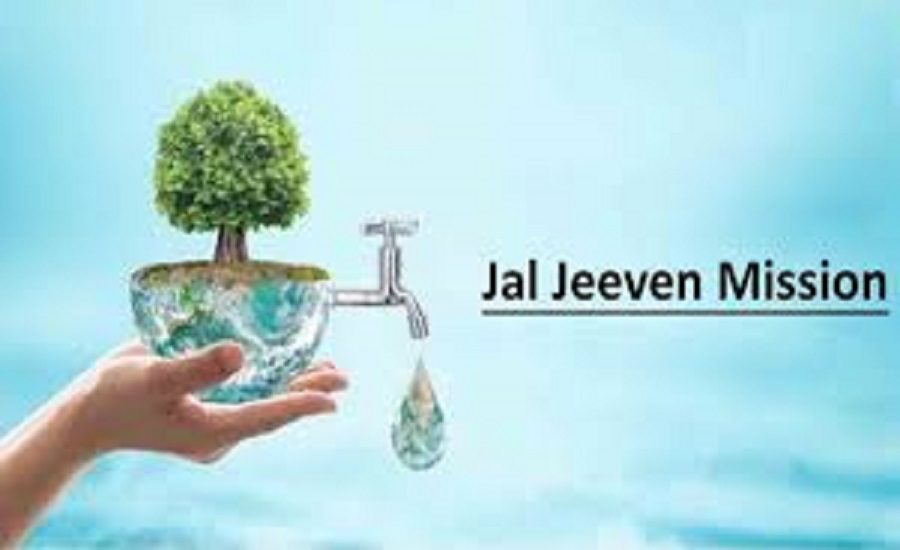
The Jal Jeevan Mission (JJM) was launched by the Government of India in August 2019 to provide Functional Household Tap Connections (FHTC) to all rural households under the “Har Ghar Jal” initiative.
Read also: The ‘Har Ghar Jal’ Success Story of Burhanpur
The scheme aims to ensure 55 litres of safe drinking water per person per day through tap connections in every rural home. The mission also promotes water conservation, rainwater harvesting, and sustainable groundwater management.
Since its launch, the programme has significantly improved rural water access across India.
Details of Jal Jeevan Mission 2.0 Extension
In the latest Cabinet meeting, the government approved the continuation and restructuring of the Jal Jeevan Mission till December 2028.
The revised programme, often referred to as Jal Jeevan Mission 2.0, will now focus on both infrastructure completion and long-term service delivery to ensure regular water supply in villages.
The mission’s total outlay has been increased to about ₹8.69 lakh crore, reflecting the government’s commitment to universal rural drinking water access.
Six Key Decisions Taken in the Cabinet Meeting
Here are the 6 key decisions taken in the cabinet meeting;
1. Extension of Jal Jeevan Mission till 2028
The Cabinet approved the continuation of the mission beyond its earlier deadline so that remaining rural households can get tap water connections and ongoing projects can be completed.
2. Massive Financial Outlay
The programme will now operate with an estimated ₹8.69 lakh crore budget, making it one of the largest drinking water programmes in the world.
3. Focus on Service Delivery
The next phase of the mission will prioritize regular and reliable water supply, shifting from only building pipelines and infrastructure to ensuring proper functioning of systems.
4. Strengthening Water Quality Monitoring
The government plans to expand water quality testing infrastructure, including village-level water testing labs and community participation in monitoring drinking water safety.
5. Sustainability and Source Protection
The mission will promote rainwater harvesting, groundwater recharge, and greywater management to ensure sustainable water sources for villages.
6. Greater Support for States
The Centre will continue to provide financial and technical assistance to states for implementing water supply projects, strengthening governance, and maintaining water systems.
Progress of Jal Jeevan Mission So Far
The scheme has already achieved significant progress across rural India.
- Millions of rural households now have tap water connections.
- Coverage has increased dramatically since the mission started in 2019.
- States are actively building pipelines, water treatment plants, and storage systems.
By early 2025, a large portion of rural households had already received tap connections under the mission.
Read also: 11 Years of Modi Govt: 11 Masterstrokes That Transformed India