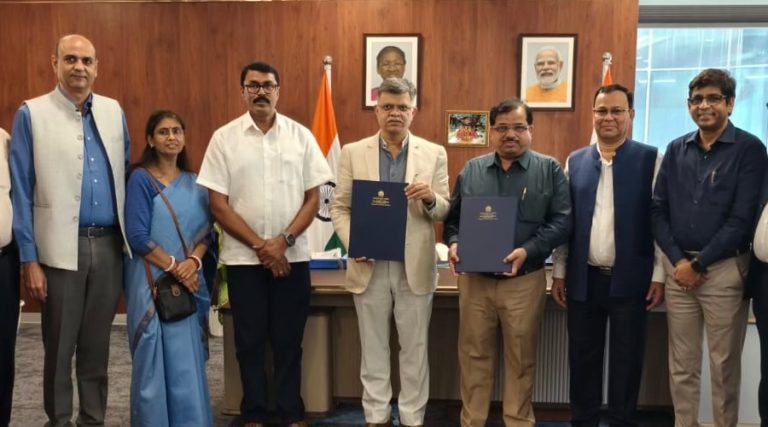
New Delhi: The Jal Jeevan Mission 2.0 guidelines were officially released by the Ministry of Jal Shakti during the Jal Mahotsav 2026 culmination on World Water Day.
The new framework aims to strengthen rural drinking water systems across India with a stronger focus on sustainability, service delivery, and community participation.
What is Jal Mahotsav 2026
The Jal Mahotsav 2026 was observed as a 15-day nationwide campaign from March 8 to March 22, covering International Women’s Day to World Water Day.
The campaign focused on:
- Community participation in water conservation
- Awareness about sustainable water use
- Strengthening water management at Gram Panchayat level
It included initiatives like Sujal Gram Samvad, where communities from multiple states shared real-life experiences and solutions.
What is Jal Jeevan Mission 2.0
Jal Jeevan Mission 2.0 is an upgraded version of the flagship jal jeevan mission launched in 2019.
What are the Objectives of Jal Jeevan Mission 2.0
- Provide safe and adequate drinking water to every rural household
- Ensure long-term sustainability of water sources
- Shift focus from infrastructure to service delivery and governance
- Strengthen community ownership of water systems
The Union Cabinet approved the extension of the mission till December 2028, aiming to cover all rural households under “Har Ghar Jal”.
Major Highlights of Jal Jeevan Mission 2.0 Guidelines
Here are the major highlights;
1. Focus on Service Delivery
The mission is no longer just about installing pipelines.
Now the focus is on:
- Regular water supply
- Water quality monitoring
- Efficient service delivery
2. Structural Reforms
JJM 2.0 introduces reforms in:
- Governance
- Institutional capacity
- Accountability systems
These reforms aim to make rural water systems more reliable and transparent.
3. Community Participation
A key highlight is the “Jan Bhagidari” approach:
- Villages will manage local water systems
- Gram Panchayats will play a major role
- People will be directly involved in water conservation
Government’s Vision: From Scheme to Movement
Union Minister C.R. Patil emphasized that Jal Jeevan Mission is not just a scheme but a life-changing mission.
- It has improved dignity, health, and ease of living
- It has especially benefited women and children in rural India
- Around 9 crore women have been freed from daily water-fetching work
The government aims to transform it into a people-led movement for water conservation.
What is the Impact of Jal Jeevan Mission 2.0
Here is the Impact of Jal Jeevan Mission 2.0;
Social Impact
- Reduced burden on women
- Better hygiene and health
- Improved quality of life
Economic Impact
- More time for productive work
- Support to rural livelihoods
Health Benefits
- Reduction in water-borne diseases
- Improved sanitation conditions
Jal Jeevan Mission 2.0: Long-Term Sustainability Goals
The new guidelines strongly emphasize:
- Source sustainability
- Water conservation practices
- Long-term maintenance of infrastructure
The mission aligns with the vision of Viksit Bharat 2047, ensuring 24×7 water supply in rural areas through a service-based approach.
Read also: Over 2,800 Water Quality Testing Labs Operational Across India Under Jal Jeevan Mission