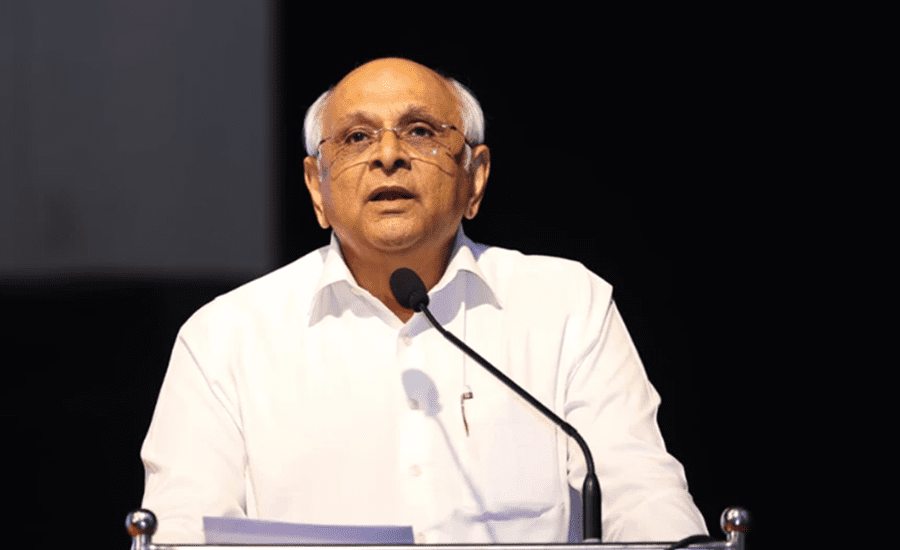
Gandhinagar: The Gujarat government has introduced a major governance reform to strengthen transparency, accountability and good governance in the Panchayati Raj system. Under the leadership of Chief Minister Bhupendra Patel, the state has made it mandatory to hold an Exit Conference immediately after the completion of annual audits of Gram Panchayats, Taluka Panchayats and District Panchayats.
The new mechanism is intended to eliminate procedural delays in taking action against serious financial and administrative irregularities identified during audits and ensure prompt disciplinary, corrective and legal action.
Mandatory Exit Conferences Introduced for All Panchayat Audits
The Panchayat, Rural Housing and Rural Development Department issued a circular on July 28, implementing the new audit procedure across Gujarat.
Under the revised system:
- An Exit Conference will be held immediately after the completion of every annual audit.
- The conference will be chaired by the District Development Officer (DDO).
- It will be mandatory for Gram Panchayats, Taluka Panchayats and District Panchayats.
- Senior audit officers from the Local Fund Audit Department will present only serious irregularities identified during the audit.
The initiative aims to ensure that audit findings are acted upon without unnecessary delays.
Focus on Serious Financial and Administrative Irregularities
During the Exit Conference, officials will review major violations such as:
- Financial embezzlement.
- Procurement carried out in violation of government rules.
- Illegal recruitment.
- Financial mismanagement.
- Other serious administrative irregularities.
Based on the findings, the District Development Officer will be empowered to initiate immediate:
- Disciplinary action.
- Corrective measures.
- Legal proceedings, wherever required.
The government said this will transform audits from a routine paperwork exercise into an effective mechanism for accountability and timely decision-making.
Government Strengthens Transparency and Good Governance
The Gujarat government said the initiative is part of its broader efforts to improve administrative transparency and accountability in local governance.
The reform has been introduced under the leadership of:
- Chief Minister Bhupendra Patel
- Panchayat Minister Rishikesh Patel
- Minister of State Sanjay Singh Mahida
According to the government, the new system sends a strong message against corruption while reinforcing its commitment to building a transparent and accountable Panchayati Raj system.
Benefits for Rural Development and Public Fund Management
The mandatory Exit Conference system is expected to deliver several benefits, including:
- Faster action against financial irregularities.
- Greater transparency in Panchayat administration.
- Improved accountability of officials and employees.
- Better protection and utilisation of public funds.
- Stronger compliance with financial and administrative rules.
- Improved quality of rural development projects.
The government believes that timely action on audit observations will discourage corruption and prevent misuse of public money.
Better Outcomes for Villages and Citizens
The new audit mechanism is expected to directly benefit rural citizens by ensuring that funds allocated for village development are used more effectively.
The reform aims to:
- Ensure proper utilisation of funds allocated for roads, drinking water, sanitation and other public infrastructure.
- Reduce delays in addressing financial irregularities.
- Increase accountability among Panchayat officials.
- Improve the quality and efficiency of development works.
- Strengthen public confidence in local self-governance.
According to the state government, audit reports will no longer remain pending in official files but will instead serve as the basis for immediate and effective action, helping accelerate rural development while safeguarding public resources.