Gandhinagar: Gujarat has proposed a ₹100-crore investment over five years to develop a Marine Biotechnology Research and Innovation Corridor (M-BRIC) at Mocha village in Porbandar district. The initiative aims to turn the state’s marine biological resources into high-value products, support new industries and create livelihood opportunities for coastal communities.
The proposed project, led by the Gujarat State Biotechnology Mission (GSBTM) under the Department of Science and Technology, will connect marine research with product development, pilot-scale manufacturing, startups and commercial production.
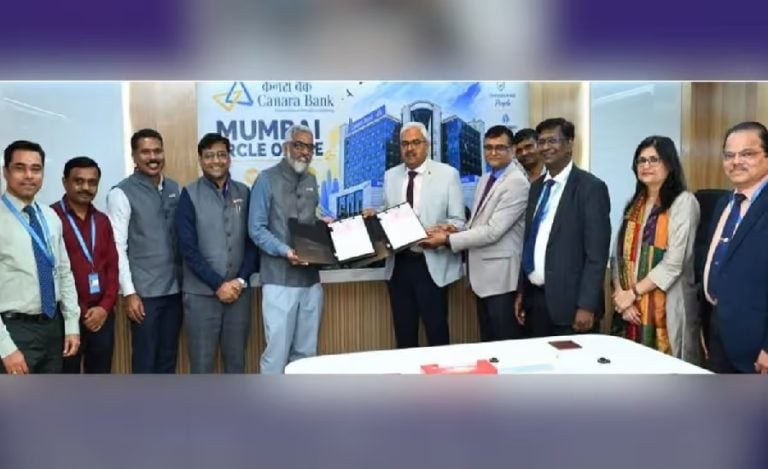
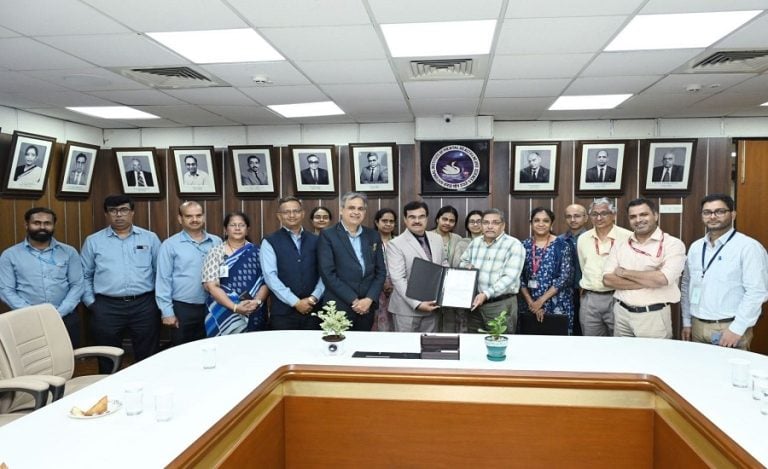
A memorandum of understanding (MoU) is to be signed between GSBTM and the CSIR-Central Salt and Marine Chemicals Research Institute (CSIR-CSMCRI). The agreement is expected to establish a scientific partnership for marine biotechnology research and technology transfer. Gujarat Science and Technology Minister Arjun Modhwadia and Agriculture and Farmers Welfare Minister Jitu Vaghani are associated with the initiative.
30-Acre Hub to Connect Research and Industry
Mocha has been identified as the proposed principal hub for the corridor, with a planned area of around 30 acres. The facility is expected to bring research institutions, universities, industries, startups, micro, small and medium enterprises (MSMEs) and coastal communities onto a common platform.
The corridor will cover several stages of the biotechnology value chain, from exploring marine biodiversity to developing products, testing technologies and scaling up manufacturing.
The network may also extend to other locations across Saurashtra and Gujarat’s coastline. Microalgal biorefineries are proposed at salt-pan facilities associated with CSIR-CSMCRI in Bhavnagar, linking marine research with existing coastal and salt-producing ecosystems.
Read Also: Gujarat UCC Bill Gets President Murmu’s Assent, Paving Way for Implementation
From Seaweed to High-Value Biotechnology Products
Gujarat’s coastal waters and saline environments contain biological resources such as seaweeds, microalgae and marine microorganisms. M-BRIC aims to explore their commercial potential through genomics, bioinformatics and advanced bioprocessing.
The proposed corridor will focus on products such as:
- Biofertilisers and biostimulants for agriculture.
- Nutraceuticals, cosmeceuticals and animal nutrition products.
- Aquafeed, enzymes, biosurfactants and pharmaceutical intermediates.
- Marine-derived biomaterials and seaweed-based ingredients such as agar, alginate and carrageenan.
- These materials have applications across agriculture, healthcare, food processing, cosmetics and other industries.
The objective is to move beyond conventional extraction of marine resources and develop technology-driven products with greater economic value. Successful commercialisation could create opportunities for biotechnology companies, manufacturers and coastal suppliers.
Research Facilities and Biomanufacturing Support for Startups
The proposed M-BRIC ecosystem will include specialised research facilities and infrastructure to help researchers and entrepreneurs move from laboratory discoveries to market-ready products.
A state-level seaweed brood bank is planned to supply selected planting material of Kappaphycus alvarezii and Gracilaria dura. Marine microalgal biofactories are also proposed to produce omega-3 fatty acids and other valuable bioactive compounds.
An integrated seaweed biorefinery will focus on producing phycocolloids, biostimulants and other value-added products. Dedicated facilities will support marine bioprospecting, genomics, microbiology, natural products research and biotechnology development.
The corridor is also expected to offer incubation facilities for startups, along with pilot-scale bioprocessing and biomanufacturing infrastructure. Support for prototype development, technology validation, intellectual property protection, regulatory assessment, licensing and technology transfer will help connect research with commercial applications.
CSIR-CSMCRI to Provide Scientific Expertise
CSIR-CSMCRI has been identified as a key scientific knowledge partner for the initiative. Its expertise includes seaweed biotechnology, marine bioproducts, saline agriculture, salt-tolerant plants known as halophytes, bioprocessing and technology transfer.
Gujarat’s biotechnology institutions are also expected to contribute expertise in genomics, bioinformatics, environmental biotechnology, diagnostics, biodiversity and translational research.
This collaboration aims to strengthen the link between scientific institutions and industry, helping businesses develop technologies and assess their commercial potential.
Coastal Communities to Gain Skills and Livelihood Opportunities
Alongside industrial development, the corridor aims to create economic opportunities for communities living along Gujarat’s coastline.
Proposed capacity-building programmes under the Seaweed Mission will target coastal youth, seaweed farmers, fishing communities, women-led enterprises, MSMEs, entrepreneurs, students and industry professionals.
Training areas will include seaweed cultivation, aquaculture, marine biotechnology, genomics, bioinformatics, marine diagnostics, natural products, bioprocessing, environmental monitoring, entrepreneurship and technology commercialisation.
If implemented effectively, these activities could create opportunities in cultivation, processing, packaging, quality control and other parts of the marine biotechnology supply chain. They could also help local entrepreneurs participate in emerging industries rather than relying only on traditional coastal livelihoods.
Sustainability and Gujarat’s Blue Bioeconomy
Environmental sustainability is a central element of the proposed corridor. Seaweed and microalgae can provide renewable biological feedstocks for omega-3 products, hydrocolloids, biostimulants, enzymes and specialised biomaterials.
The planned biorefinery approach aims to use marine biomass more efficiently, reduce waste and increase value addition. Environmental monitoring, biodiversity assessments and environmental impact assessments are also envisaged, along with the responsible use of marine genetic resources.
The project will explore Blue Carbon research and climate-resilient coastal development, including monitoring seaweed and coastal ecosystems.
The initiative aligns with Gujarat’s biotechnology ecosystem, the BioE3 framework, India’s Blue Economy priorities and the vision of Viksit Bharat @2047.
Building a New Marine Biotechnology Industry
The proposed ₹100-crore M-BRIC corridor could give Gujarat a platform to connect marine science, entrepreneurship and manufacturing. Its long-term impact will depend on the development of research facilities, industry partnerships, technology commercialisation and sustained participation from coastal communities.
By combining scientific research with industrial infrastructure and skills development, the project aims to create new avenues for innovation, local enterprise and employment. Its success will ultimately be measured by the technologies developed, businesses established, products brought to market and livelihood opportunities created along Gujarat’s coastline.
Read Also: Gujarat CM Bhupendra Patel Links Gandhi’s Ideals to Cleanliness and Self-Reliance