New Delhi: The CATS Warrior UCAV airframe project, a cornerstone of India’s next-generation unmanned combat aerial vehicle (UCAV) programme, achieved a remarkable milestone with its airframe built in just 14 weeks, reflecting a new benchmark in defence manufacturing speed and precision.
This rapid development was made possible through a strategic collaboration between Hindustan Aeronautics Limited (HAL) and Tata Elxsi, showcasing the strength of India’s “Make in India” initiative for advanced aerospace systems.
What is CATS Warrior UCAV?
The CATS Warrior is a cutting-edge unmanned combat aerial vehicle developed under HAL’s Combat Air Teaming System (CATS) programme.
It is intended to operate as a “loyal wingman” alongside manned fighter jets like the HAL Tejas, taking on high-risk missions such as surveillance, reconnaissance, electronic warfare, decoy operations, and precision strike tasks.
Designed for autonomous operation with low-observable (stealth) characteristics and Advanced Take-Off and Landing (ATOL), the CATS Warrior represents a pivotal shift in Indian aerial combat technology.
Strategic Collaboration: HAL and Tata Elxsi
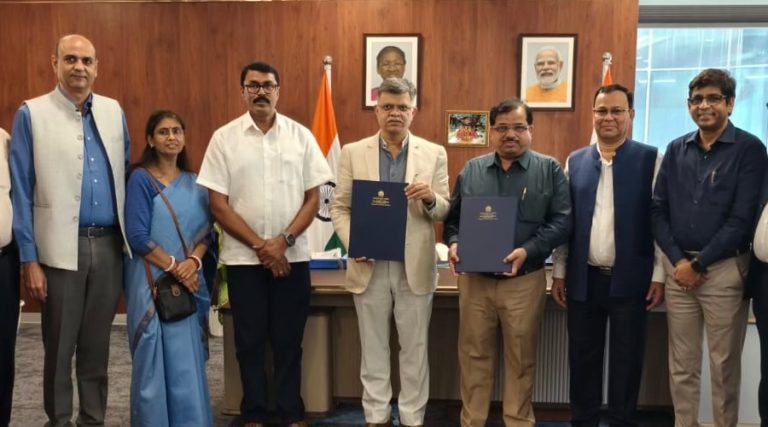
HAL, India’s leading defence aerospace manufacturer, and Tata Elxsi, a specialist in advanced engineering and systems design, joined forces to develop the full-scale demonstrator airframe of CATS Warrior.
Tata Elxsi took the lead on designing and fabricating the airframe assembly, fuel storage system, and landing gear, integrating over 1,200 components while meeting stringent structural and performance goals.
The partnership highlights India’s growing capability to deliver complex defence products rapidly by harnessing both public and private sector engineering excellence.
Breaking Down the 14-Week Timeline
Here is the 14-week record breaking defence engineering achievement;
Weeks 1–2: Material Selection & Preliminary Design
Engineers began with careful material evaluation, choosing composites and alloys that balanced strength, weight, and radar-absorbent properties. Early designs were modelled using advanced CAD and simulation tools.
Weeks 3–4: Stress & Structural Analysis
Multi-physics and finite element analyses verified the airframe’s ability to withstand aerodynamic loads, vibrations, and thermal stresses without compromising stealth requirements.
Weeks 5–7: Detailed Design & Component Finalization
More than 5,000 parts including internal mechanisms, fuel tanks, and landing gear were configured with precision to meet performance and weight targets.
Weeks 8–9: Assembly Jig Development
Custom jigs and fixtures were developed to maintain sub-millimetre assembly tolerances, ensuring structural symmetry and alignment.
Weeks 10–12: Physical Assembly
Autoclave curing of composite panels and meticulous fuel system installation enabled a robust build while agency tests were conducted for leakproof performance.
Week 13: Testing & Validation
Ground trials assessed structural loads, aerodynamic stability, fuel integrity and vibration tolerances to match demanding aerospace requirements.
Week 14: System Integration and Final Checks
The airframe was integrated with avionics and control systems, ensuring readiness for autonomous missions and future flight tests.
What is the Importance of CATS Warrior UCAV Airframe Development
Delivering a complex UCAV demonstrator in 14 weeks is a breakthrough in defence production cycles. Traditionally, such high-tech aerospace builds take months or years. This rapid timeline signals enhanced agility and engineering maturity within India’s defence industrial ecosystem.
Self-Reliance in Advanced Aerial Systems
India’s focus on indigenously developed systems aligns with national strategic goals to reduce dependence on foreign suppliers for critical defence technology.
The CATS Warrior project, supported by HAL and Tata Elxsi, strengthens domestic capabilities in UCAV design, simulation, testing, and integration.
Next Steps: From Ground to Sky
Following the airframe completion, the demonstration model is being prepared for flight trials, aiming for flight testing by 2026–27, aligning with broader CATS programme timelines.
This next phase will validate real-world performance and autonomous teaming capabilities with manned aircraft like Tejas. The success of these trials will determine progression toward serial production for the Indian Air Force and Navy.