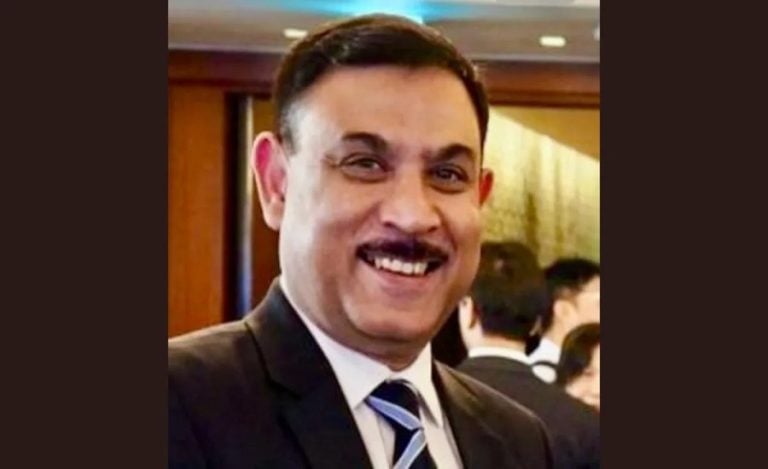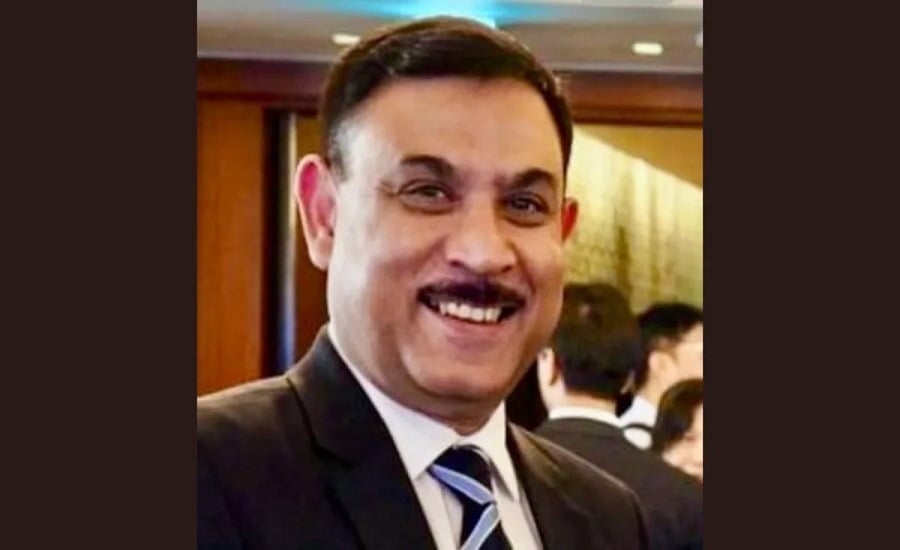
Jaipur: The Rajasthan government has placed senior IAS officer Shikhar Agrawal on Awaiting Posting Orders (APO) status following media reports about the purchase of 40 villas and cottages by him and his family members. The properties, reportedly worth around ₹6.16 crore, were subsequently leased back to the same company from which they were purchased, raising questions about the transactions and their financial arrangements.
The Department of Personnel issued the order late Wednesday night, October 28, 2026, citing administrative reasons. Agrawal, a 1993-batch IAS officer of the Rajasthan cadre, was serving as Additional Chief Secretary (ACS) for Industries, Micro, Small and Medium Enterprises (MSME), State Enterprises and the Delhi-Mumbai Industrial Corridor.
The reported property transactions have brought renewed attention to the senior officer’s administrative career, which includes key assignments in district administration, urban development, industries, investment promotion and the Chief Minister’s Office (CMO).
Who Is Shikhar Agrawal?
Shikhar Agrawal is a senior IAS officer of the 1993 batch belonging to the Rajasthan cadre. Born on July 9, 1970, he is originally from Kanpur, Uttar Pradesh, and holds a B.Tech degree in Civil Engineering from the Indian Institute of Technology (IIT), Kanpur.
Over a career spanning more than three decades, Agrawal has held several important positions in the Rajasthan government and served on deputation with the Central Government. His assignments have included district-level administration, urban planning, revenue, finance, water resources, environment and forests, and industrial development.
He has also held senior leadership responsibilities in the Jaipur Development Authority (JDA), Ajmer Vidyut Vitran Nigam Limited and Rajasthan State Industrial Development and Investment Corporation (RIICO), among other government organisations.
His experience across departments dealing with investment and industrial development placed him among the senior administrative officers handling some of Rajasthan’s major policy and infrastructure portfolios.
Read also: Centre Promotes 16 Rajasthan RAS Officers to IAS: Gopal Ram Birda, Meghna Chaudhary Among Selectees
Why Has Shikhar Agrawal Been Placed on APO?
The action follows media reports alleging that Agrawal, his wife, IPS officer Dr Prashakha Mathur, their two sons and his parents-in-law purchased 40 resort properties over approximately two and a half years.
According to the reports, the properties comprised 20 cottages at Bujhada in Udaipur and 20 villas at Ajabgarh in Alwar. The combined purchase value was reported to be approximately ₹6.16 crore.
The reports stated that the properties were purchased from Goyal Fashions Private Limited and subsequently leased back to the same company. The reported arrangement has drawn attention to the purchase prices, lease terms, ownership structure and the disclosures made regarding the family’s assets.
The government’s order placing Agrawal on APO status cited administrative reasons. The order, as described in the supplied reports, does not itself establish any wrongdoing by the officer. The allegations concerning the property transactions should therefore be distinguished from any formal finding by an investigative or judicial authority.
40 Properties and Reported Annual Lease Income of ₹1.80 Crore
The reported financial terms of the transactions have become a central aspect of the controversy.
According to the reports, the 20 cottages in Bujhada were leased at an annual rate of ₹4 lakh per unit, while the 20 villas in Ajabgarh were reportedly leased at ₹5 lakh per unit annually.
On these reported terms, the cottages would generate ₹80 lakh annually and the villas ₹1 crore, taking the combined annual lease value to approximately ₹1.80 crore.
The reports also stated that the cottage registrations in Udaipur took place in September 2023, while the registrations for the villas in Alwar occurred in March 2026.
The reported difference between the purchase price and the annual lease income has prompted questions about the commercial terms of the arrangement. However, the actual income received, the detailed contractual conditions and the expenses associated with the properties have not been established in the supplied material.
Resort Company Reportedly Received Investment Incentives Under RIPS
Another element of the controversy concerns the reported investment package granted to Goyal Fashions Private Limited under the Rajasthan Investment Promotion Scheme (RIPS).
According to media reports, the company received special concessions for its hotel-resort project in Alwar. The project was reportedly associated with an investment of at least ₹115 crore and a target of creating 241 jobs.
The reported benefits included investment subsidies linked to state taxes and exemptions from electricity duties.
The fact that the company was reportedly involved both in the property transactions with Agrawal’s family and in a project receiving state investment incentives has raised questions about the circumstances surrounding the arrangements.
However, the available information does not establish that the investment package was granted because of the property transactions or that any official decision was improperly influenced. Any such conclusion would require evidence beyond the reported association between the company and the family’s property purchases.
From South Tripura to Rajasthan: Agrawal’s Early Career
Agrawal’s initial administrative assignments began in Tripura. According to the service details cited in reports, he served as Sub-Divisional Officer/Sub-Divisional Magistrate in South Tripura from September 1995.
In April 1997, he became Project Director of the District Rural Development Agency in Dhalai district. He was subsequently appointed Additional District Magistrate in North Tripura in June 1998.
After moving to his parent Rajasthan cadre in October 1998, he served as Deputy Secretary in the Command Area Development Department and the Finance Department. In August 1999, he was appointed Additional Collector and Additional District Magistrate in Jaipur.
These early assignments gave him experience in district administration and government financial and development-related work.
Served as Collector in Jalore, Hanumangarh, Udaipur and Bikaner
In July 2000, Agrawal was appointed Collector and District Magistrate of Jalore. He subsequently served as Collector in Hanumangarh, Udaipur and Bikaner.
His district-level assignments were followed by positions in the power and industries sectors. He served as Managing Director of Ajmer Vidyut Vitran Nigam Limited and later held a Deputy Secretary-level assignment in the Industries Department.
These roles formed part of his progression through district administration and state-level departmental responsibilities.
Central Deputation in Delhi from 2009 to 2014
Agrawal went on Central deputation in 2009, serving in several positions in the Union Government.
His assignments reportedly included Director in the Department of Revenue, Private Secretary to an adviser associated with the Prime Minister’s National Council on Skill Development, and Director General of Employment and Training under the Ministry of Labour and Employment.
He returned to Rajasthan in February 2014, bringing experience in both state administration and Central Government functioning.
JDA Commissioner: A Tenure Marked by Disputes
After returning to Rajasthan, Agrawal was appointed Commissioner of the Jaipur Development Authority in February 2014. He held the position until November 2016.
His tenure coincided with several contentious urban-development decisions, including disputes concerning the Rajmahal Palace Hotel, the removal of religious structures along the Jaipur Metro route and land acquisition for the JDA’s Ring Road project.
In August 2016, the JDA sealed three gates of the Rajmahal Palace Hotel as part of action concerning the surrounding land. The move drew opposition from Diya Kumari, then a BJP MLA and a member of Jaipur’s former royal family. The dispute reached the courts, and the gates were reopened following court directions in September 2016, according to the reports.
The removal of temples along the Jaipur Metro route also prompted objections from local residents and organisations. Subsequent decisions concerning the reconstruction of some temples became part of the wider debate over religious sites and urban infrastructure.
Land acquisition for the Ring Road project and the cancellation of building plans for Palsia Apartments were other matters that attracted opposition or controversy during his time at the JDA.
These episodes form part of the public record of disputes associated with his tenure as the authority’s commissioner; they should not, by themselves, be treated as proof of misconduct.
Water Resources, Environment and Senior Administrative Roles
Following his JDA tenure, Agrawal served in the Water Resources Department, first as Secretary and later as Principal Secretary. He also held assignments in the Board of Revenue, the Tribal Area Development Department, the Rajasthan Civil Services Appellate Tribunal and the Environment and Forest Department.
These roles expanded his administrative responsibilities across infrastructure, natural resources, revenue administration and government personnel matters.
He later moved into senior positions connected with industrial development and investment promotion, eventually taking charge of multiple portfolios as Additional Chief Secretary.
Role in Chief Minister Bhajanlal Sharma’s Office
In February 2024, Agrawal was appointed Additional Chief Secretary to Rajasthan Chief Minister Bhajanlal Sharma.
He was subsequently removed from the CMO. Reports attributed the decision to directions from Delhi, although the circumstances have not been independently established in the supplied material.
Following an administrative reshuffle in November 2025, he was assigned responsibilities connected with industries, investment and industrial development. His portfolios included MSME, State Enterprises and the Delhi-Mumbai Industrial Corridor, along with his role as chairman of RIICO.
Before his placement on APO status, Agrawal was therefore handling several significant responsibilities related to industrial growth and investment in Rajasthan.
Could the Development Affect the Chief Secretary Race?
Agrawal’s seniority and extensive administrative experience had placed him among the officers discussed in connection with future top-level appointments in Rajasthan.
The tenure of incumbent Chief Secretary V. Srinivas was reported to be due to conclude in December 2026. Against that backdrop, the APO order has drawn attention to Agrawal’s future administrative role and any potential consideration for the state’s top bureaucratic post.
However, no conclusion can be drawn from the APO order alone about his eligibility for, or prospects of, a future appointment as Chief Secretary. Such decisions depend on the government’s formal assessment and the applicable service and appointment processes.
For now, the immediate development is his removal from active departmental responsibilities pending further posting orders, following reports concerning the family’s property transactions.
The case has renewed scrutiny of the relationship between public office, asset disclosures, private property transactions and investment incentives. The reported financial arrangements and the company’s investment package remain distinct issues, and any assessment of possible irregularities would require verified records and findings from the competent authorities.
What is the matter?
According to the reports you supplied, IAS officer Shikhar Agrawal and his family members allegedly purchased 40 resort properties, comprising villas and cottages, for around ₹6.16 crore. The properties were reportedly leased back to Goyal Fashions Pvt Ltd, with annual lease rates of ₹4 lakh per cottage and ₹5 lakh per villa. The reported total annual lease amount was ₹1.8 crore.
The reports also referred to a ₹115-crore Rajasthan Investment Promotion Scheme (RIPS) package and 241 jobs. The article needs to explain the connection between the property transactions, the company and the reported investment incentives clearly, using only the details established in your source. It should also distinguish the allegations from any officially established findings.
What does APO mean?
APO stands for Awaiting Posting Orders. It means an officer is waiting for the government to issue a new posting order. It is an administrative status and, by itself, does not establish wrongdoing or prove that the officer has been found guilty of any allegation.
I should have made these details central to the story instead of leaving readers to work out the significance themselves.
Read also: Who Is Prince Kumar? 2023-Batch IAS Officer Appointed Additional CEO of Amarnath Shrine Board