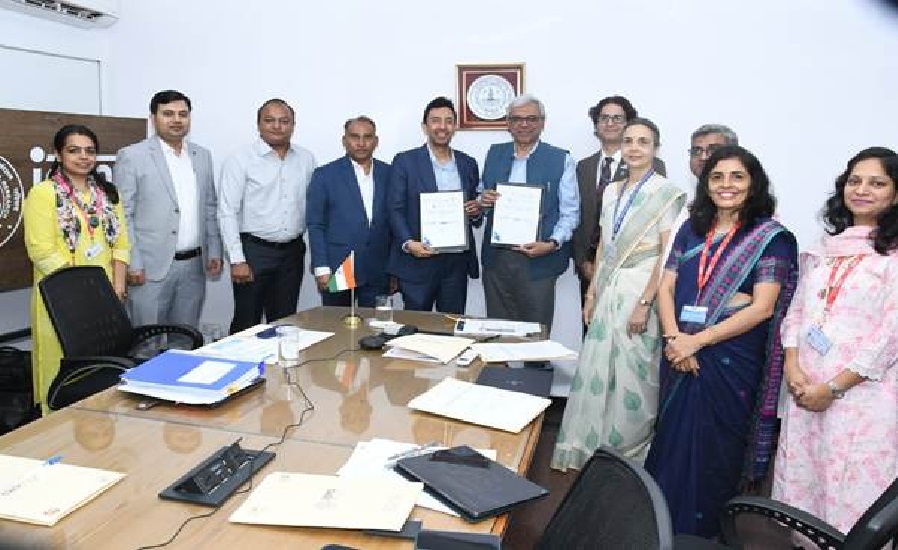
New Delhi: The Indian Council of Medical Research (ICMR) has facilitated the licensing of three indigenous biomedical technologies to leading Indian pharmaceutical and vaccine manufacturers under its Medical Innovations Patent Mitra initiative.
The technology transfer initiative aims to accelerate the journey of government-funded research from laboratories to real-world healthcare applications through further development, manufacturing, and commercialization.
The three technologies transferred include:
- SHetA2, a novel anti-HPV therapeutic candidate for treating Cervical Intraepithelial Neoplasia (CIN), licensed to Emcure Pharmaceuticals Limited.
- Two next-generation vaccine technologies against enteric bacterial infections developed at ICMR-National Institute of Research in Bacterial Infections (ICMR-NIRBI), licensed to Biological E Limited.
The initiative represents a major step toward developing affordable healthcare solutions and strengthening India’s biomedical innovation ecosystem.
SHetA2 Anti-HPV Candidate Offers New Approach for Cervical Cancer Treatment
SHetA2 is a first-in-class targeted therapeutic candidate developed for the treatment of HPV-induced precancerous conditions and cervical cancer.
The technology was developed through a collaborative research effort involving:
- Dr. Showket Hussain from ICMR-National Institute of Cancer Prevention and Research (ICMR-NICPR)
- Dr. Doris M. Benbrook from Stephenson Cancer Center, University of Oklahoma, USA
SHetA2 is designed to selectively eliminate HPV-induced precancerous and cervical cancer cells while sparing healthy cells.
The technology has the potential to provide:
- Safer treatment options for cervical cancer
- Affordable therapeutic solutions
- Minimally invasive treatment approaches
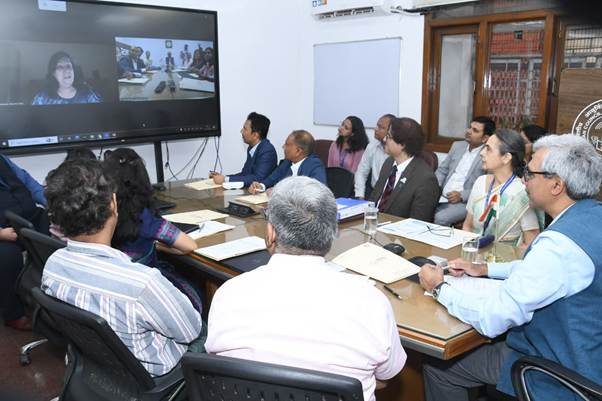
The licensing of SHetA2 to Emcure Pharmaceuticals will support its further development and possible commercialization.
Read also: From AI to Gram Panchayats: India Celebrates 17 Digital Governance Breakthroughs at NAeG 2026
ICMR Transfers Two Advanced Vaccine Technologies for Enteric Diseases
The two vaccine technologies developed by Dr. Santasabuj Das and his team at ICMR-NIRBI focus on preventing major bacterial infections affecting public health.
The technologies include:
Next-Generation Typhoid Vaccine Candidate
The first vaccine technology is a fusion construct containing the outer membrane protein of Salmonella typhi.
This innovation has been developed as a promising next-generation typhoid vaccine candidate aimed at improving protection against typhoid infections.
Recombinant Vaccine Against Salmonella and Shigella Infections
The second technology is a recombinant vaccine composition designed to provide broader protection against:
- Salmonella typhi
- Salmonella paratyphi
- Shigella infections
The vaccine candidate aims to strengthen prevention strategies against major enteric bacterial diseases.
Technology Transfer to Support Affordable Healthcare Solutions
ICMR stated that these technology transfers will help convert publicly funded scientific research into accessible healthcare products.
The collaboration between research institutions and industry partners is expected to support:
- Advanced therapeutic development
- Vaccine manufacturing
- Commercial availability
- Wider access to innovative healthcare solutions
Together, these technologies can contribute significantly to cancer prevention, infectious disease control, and the development of indigenous medical innovations.
Dr. Rajiv Bahl Highlights India’s Growing Biomedical Innovation Strength
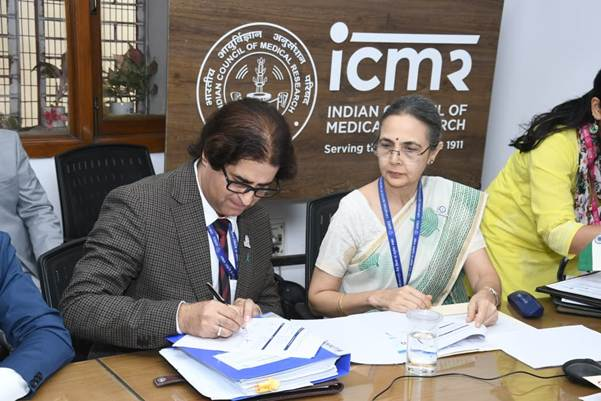
Dr. Rajiv Bahl, Secretary, Department of Health Research (DHR), and Director General, ICMR, emphasized the importance of translating scientific research into products that improve health outcomes.
He said that initiatives like Medical Innovations Patent Mitra are strengthening the connection between researchers and industry by supporting the journey from scientific discovery to commercialization.
According to him, the latest technology transfers reflect the growing maturity of India’s biomedical innovation ecosystem and support the country’s goal of achieving self-reliance in healthcare innovation.
Medical Innovations Patent Mitra Supports Research-to-Market Journey
ICMR has established an integrated innovation ecosystem to support healthcare technologies throughout their development cycle.
The ecosystem provides assistance in areas including:
- Research and discovery
- Intellectual property protection
- Clinical validation
- Regulatory facilitation
- Technology transfer
- Commercialization
Through Medical Innovations Patent Mitra, innovators receive structured support for patent filing, licensing, and industry partnerships.
The MedTech Mitra initiative further supports indigenous medical technologies through regulatory guidance, clinical evaluation, and market access assistance.
ICMR’s Innovation Push Strengthens India’s Healthcare Future
The licensing of these three biomedical technologies highlights India’s growing capabilities in healthcare research and innovation.
By combining scientific expertise, government-supported research, and industry partnerships, ICMR aims to develop affordable, high-quality healthcare solutions for India and the global community.
The initiative marks another important milestone in building a self-reliant healthcare innovation ecosystem driven by indigenous technologies.
Read also: Digital India BHASHINI Launches ‘BHASHINI Rajyam’ in Goa to Boost AI-Powered Multilingual Governance