In a major push to India’s clean energy ambitions and power infrastructure expansion, the Cabinet Committee on Economic Affairs chaired by Narendra Modi has approved two large hydropower projects in Arunachal Pradesh with a combined investment exceeding ₹40,000 crore.
The approval covers the Kamala Hydro Electric Project (HEP) and Kalai-II Hydro Electric Project (HEP), both expected to significantly improve power generation capacity, strengthen grid reliability, and accelerate regional development in India’s northeast.
Kamala Hydro Electric Project Approved With ₹26,069 Crore Investment
The Cabinet approved the Kamala Hydro Electric Project (HEP) with an estimated investment of ₹26,069.50 crore.
The project will be developed across Kamle, Kra Daadi, and Kurung Kumey districts of Arunachal Pradesh with an installed generation capacity of 1,720 MW.
It is expected to generate 6,870 million units (MU) of electricity annually and has a projected completion period of 96 months.
Apart from power generation, the Kamala project is expected to provide flood moderation benefits in the Brahmaputra basin, an important advantage for downstream areas vulnerable to seasonal flooding.
Kalai-II Project Cleared on Lohit River
The Cabinet also approved the Kalai-II Hydro Electric Project (HEP) on the Lohit River in Anjaw district.
The project involves an investment of ₹14,105.83 crore and will have an installed capacity of 1,200 MW.
It is expected to generate 4,852.95 million units annually, with completion targeted within 78 months.
This will be the first hydropower development in the Lohit basin, marking an important step in harnessing untapped hydro potential in eastern Arunachal Pradesh.
Joint Venture Model With PSU Participation
Both projects will be implemented through joint ventures involving the Arunachal Pradesh government and major public sector power companies such as NHPC Limited and THDC India Limited.
The Centre will provide financial support through:
- Budgetary assistance for flood moderation
- Enabling infrastructure support
- Equity participation
This model is aimed at reducing financial burden while ensuring strategic execution.
Local Communities to Receive Direct Benefits
Under the approved framework, Arunachal Pradesh will receive:
- 12% free power from each project
- 1% additional power allocation for Local Area Development Fund (LADF)
Officials said this will ensure long-term socio-economic gains for local populations.
Infrastructure linked to the projects includes:
- Nearly 196 km of roads and bridges under Kamala HEP
- 29 km of road development under Kalai-II
Additional investments will also support:
- Healthcare facilities
- Education infrastructure
- Local markets and connectivity
Arunachal Pradesh Emerging as India’s Hydropower Hub
The latest approvals add to a growing list of major hydropower developments already underway in Arunachal Pradesh, including:
- Subansiri Lower Hydroelectric Project – 2,000 MW
- Dibang Multipurpose Project – 2,880 MW
- Etalin Hydroelectric Project – 3,097 MW planned
These projects collectively reinforce the state’s strategic role in India’s long-term renewable energy roadmap.
India-Bhutan Hydropower Cooperation Also in Focus
Meanwhile, Union Minister Manohar Lal Khattar is set to visit Bhutan on a four-day official tour aimed at deepening bilateral hydropower cooperation.
During the visit, he will review progress on key joint hydropower projects including:
- Punatsangchhu-I Hydroelectric Project
- Punatsangchhu-II Hydroelectric Project
These projects remain central to India–Bhutan energy cooperation and regional clean power trade.
Strategic Importance of Hydropower Expansion
Officials said the twin developments reflect India’s effort to:
- Expand renewable energy capacity
- Improve peak demand management
- Strengthen national grid stability
- Accelerate northeast infrastructure growth
- Enhance regional clean energy partnerships
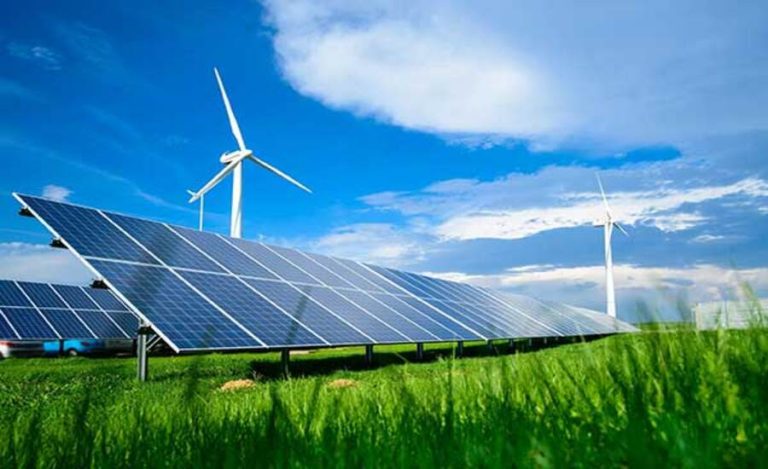
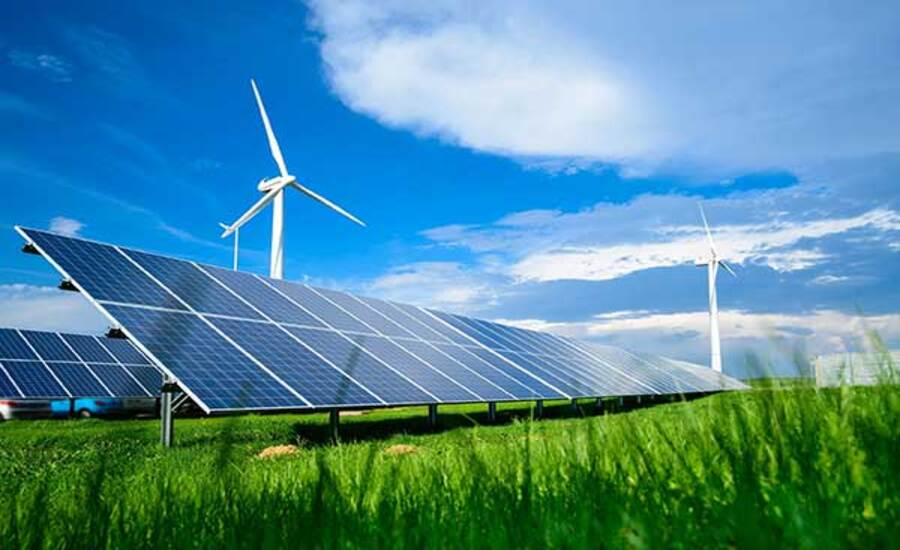
Hydropower remains a key pillar in India’s clean energy transition because of its role in balancing intermittent solar and wind power.