https://indianmasterminds.com

ADVERTISEMENT
ADVERTISEMENT

India to Open Civil Nuclear Sector to Private Players with SHANTI Bill 2025, Targeting 100 GW Nuclear Capacity by 2047

Union Cabinet approves SHANTI Bill to allow private companies to build, operate, and decommission nuclear plants, with strict government oversight and defined liability framework.
BARC small modular reactors
Indian Masterminds Stories

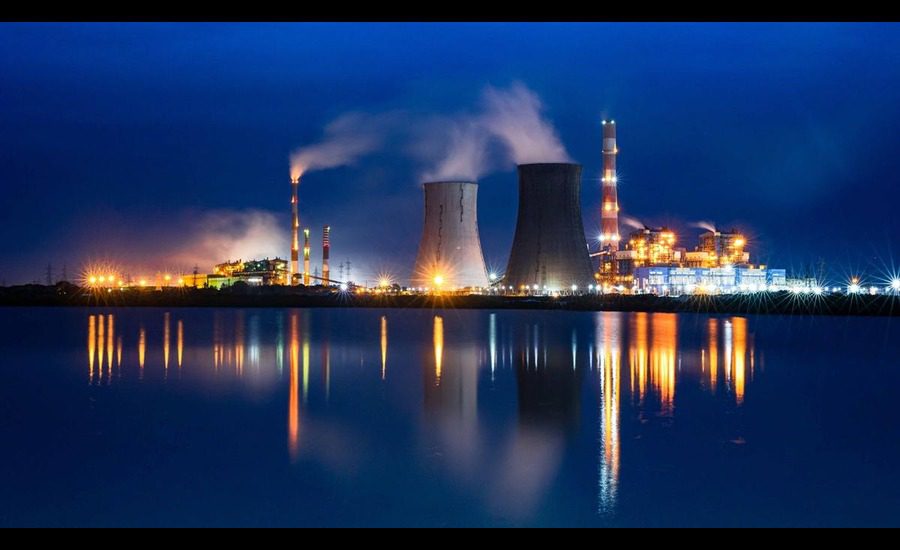
New Delhi: The Narendra Modi-led government is set to table the Sustainable Harnessing and Advancement of Nuclear Energy for Transforming India (SHANTI) Bill, 2025 in Parliament during the last week of the Winter Session. The proposed legislation marks a historic shift in India’s civil nuclear policy, opening the sector to private participation for the first time in decades. The move aligns with the government’s ambitious goal of achieving 100 GW of nuclear power capacity by 2047.

Cabinet Approval and Policy Objective

The Union Cabinet approved the SHANTI Bill on December 12, 2025, providing a legal framework for private companies and joint ventures to build, own, operate, or decommission nuclear power plants and reactors. The legislation is part of India’s broader strategy to leverage private sector investment, enhance technological innovation, and integrate domestic companies into the global nuclear energy ecosystem.

Finance Minister Nirmala Sitharaman had earlier highlighted these plans in the 2025-26 Budget, announcing the Nuclear Energy Mission, with an outlay of Rs 20,000 crore for research and development of small modular reactors (SMRs), aiming to operationalize five indigenously developed SMRs by 2033.

Read also: India to Begin ₹42,000 Crore Nuclear Power Project in Rajasthan to Boost Clean Energy and Energy Security

Private Participation and Liability Framework

Under the SHANTI Bill, private operators will be liable for damages from nuclear incidents, except in cases of grave natural disasters, armed conflict, civil war, insurrection, or terrorism.

The legislation also limits liability, specifying that damages to under-construction nuclear installations, other nuclear facilities on the same site, or transport vehicles carrying nuclear material are excluded. The maximum liability per nuclear incident is capped at the rupee equivalent of 300 million Special Drawing Rights (SDRs), with flexibility for the Central Government to revise this amount through notifications.

Government Control Over Sensitive Activities

While private participation is permitted in several areas of the nuclear value chain, the Bill reserves certain activities exclusively for the government. These include:

  • Enrichment or isotopic separation of radioactive substances
  • Management of spent fuel, including reprocessing and recycling
  • Production and upgrading of heavy water

Private players, however, can participate in the fabrication of nuclear fuel, including conversion, refining, and limited uranium-235 enrichment. They may also engage in handling, processing, and disposal of other prescribed substances under government regulations.

Imports, Safeguards, and Spent Fuel Management

The SHANTI Bill allows private firms to import, export, acquire, and possess nuclear fuel or prescribed substances, as well as import or export relevant technology and software.

All nuclear material—whether domestically produced or imported—will remain under Central Government surveillance for accounting and safeguard purposes. Spent fuel must either be delivered to the government for management or repatriated to the country of origin, while heavy water usage will remain under government supervision.

Strategic Importance and Long-Term Goals

The SHANTI Bill is intended to harness India’s nuclear potential through both public and private sector involvement, enabling domestic firms to participate in research, manufacturing, finance, insurance, and skill development within the nuclear sector.

Experts say the legislation could transform India’s civil nuclear landscape, attracting private investment, advancing technology adoption, and reinforcing the country’s commitment to sustainable energy growth.

Looking Ahead

With Cabinet approval in place, the SHANTI Bill is expected to be tabled in Parliament shortly, paving the way for a landmark reform of India’s nuclear energy framework. The bill not only encourages private sector participation but also ensures robust government oversight for critical and sensitive nuclear activities, balancing growth with safety and national security.

Read also: BARC Begins Work on 200 MW and 55 MW Small Modular Reactors, A Game Changer for India’s Energy & Industry


Indian Masterminds Stories
ADVERTISEMENT
ADVERTISEMENT
Related Stories
ADVERTISEMENT
ADVERTISEMENT
NEWS
SJVN
Leadership Updates: Parthajit De Recommended as Director (Finance) of SJVN Limited by PESB
National Geospatial Mission India
India’s Geospatial Future: Survey of India’s National Workshop on Dec 17, 2025 to Advance Viksit Bharat Vision
Jeevika Didi Ki Rasoi
Bihar CM Nitish Kumar Inaugurates 700-Bed Male Barracks and “Jeevika Didi Ki Rasoi” at Patna New Police Lines
gail
GAIL CMD Sandeep Kumar Gupta Receives ‘Pride of Indian Public Sector Award’ for Outstanding Leadership
APMC market yard
CM Bhupendra Patel Inaugurates Gujarat’s First Ultra-Modern Elevated APMC Market Yard with Advanced Farmer Facilities
BARC small modular reactors
India to Open Civil Nuclear Sector to Private Players with SHANTI Bill 2025, Targeting 100 GW Nuclear Capacity by 2047
UP Police Hate Speech Case
UP Police Officer Hate Speech Case: Supreme Court Orders Forensic Test of Mobile Phone
Sustainable Project of the Year 2025
BPCL Mumbai Refinery Wins Best Sustainable Project of the Year 2025 for Innovative Algae-Based Waste Treatment
ADVERTISEMENT
ADVERTISEMENT
Videos
Shakeel Maqbool
When Numbers Guide Governance: The Story of ICAS Officer Shakeel Maqbool
Kamal Nayan
Listening To Music Ad Nauseum After Fighting Criminals In Jharkhand 
Kamal Nayan Choubey IPS
How Armed Maoist Guerillas Lost Battle Against The Government
ADVERTISEMENT
UPSC Stories
Mona Dangi MPPSC 23
“Hello, Mom… You Are Now the Mother of a Deputy Collector!" – The Inspiring Tale of Mona Dangi Who Gave Her Plans a Perfect End
From a small town in Ashoknagar, Mona Dangi achieved MPPSC Rank 12, becoming Deputy Collector, inspiring...
sjdhsdsjdhsjd
8 Years, 7 Attempts, 1 Dream: How Yogendra Nirmalkar Overcame Failures with Grit & Perseverance to Finally Crack CGPSC
Yogendra Nirmalkar cracked CGPSC after 8 years and 7 attempts, demonstrating remarkable grit, perseverance,...
Shatakshi Pandey
Scholar, Engineer, Women Topper: How Shatakshi Pandey Achieved Rank 1 in CGPSC-2024 After Continuous Prelims Setbacks (Exclusive)
Ms Pandey, female topper of CGPSC-2024, overcame repeated Prelims setbacks to achieve Rank 6 overall...
Social Media
elephant rescue Karnataka
Heroic Karnataka Elephant Rescue: How a 28-Hour “Impossible Mission” Became a Triumph of Wildlife Care, IFS Parveen Kaswan Shares Video
A trapped elephant was rescued after 28 hours in Karnataka through a massive, expertly coordinated Forest...
IFS leaf-whistling viral video
IFS Officer Shares Video of Tiger Reserve Guide’s Leaf-Whistling Talent, Internet Tries to Guess the Tune
Jaldapara National Park Guide Shows Extraordinary Leaf-Whistling Skills, Goes Viral
Shalabh Sinha IPS Singing
Who is IPS Shalabh Sinha? The Bastar SP Whose Kishore Kumar Rendition Took Social Media by Storm
IPS officer Mr. Shalabh Sinha’s soulful performance of “Rimjhim Gire Sawan” at Dalpat Sagar goes viral,...
ADVERTISEMENT
ADVERTISEMENT
ADVERTISEMENT
Latest
SJVN
Leadership Updates: Parthajit De Recommended as Director (Finance) of SJVN Limited by PESB
National Geospatial Mission India
India’s Geospatial Future: Survey of India’s National Workshop on Dec 17, 2025 to Advance Viksit Bharat Vision
ADVERTISEMENT
ADVERTISEMENT
ADVERTISEMENT
ADVERTISEMENT
ADVERTISEMENT
ADVERTISEMENT
ADVERTISEMENT
Videos
Shakeel Maqbool
Kamal Nayan
Kamal Nayan Choubey IPS
ADVERTISEMENT
ADVERTISEMENT