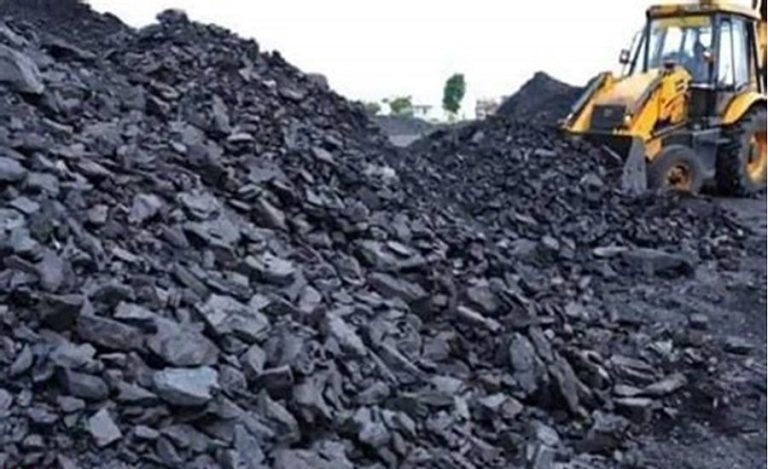
New Delhi: India’s total coal imports declined by 5.83% in August 2026, falling to 104.57 million tonnes (MT) from 111.05 MT in the corresponding month last year. The reduction of 6.48 MT reflects the continued focus of the Ministry of Coal on increasing domestic production, improving coal availability and strengthening supply-chain infrastructure to reduce the country’s dependence on imported coal.
The decline was particularly visible in coal imports by power plants and imports used for blending at domestic coal-based power plants. However, imports by imported coal-based power plants registered a marginal increase during the month.
Coal Imports by Power Plants Decline 6.39%
Coal imports by power plants decreased by 6.39% in August 2026, falling to 21.32 MT from 22.77 MT in August 2025.
The reduction is consistent with efforts to improve domestic coal availability and reduce the need for imported coal for blending at domestic coal-based power plants.
Read also: Coal India Q2 FY27 Results: Net Profit Jumps 53% to ₹6,516 Crore; Declares ₹10.25 Interim Dividend
Imported Coal-Based Power Plants Record Marginal Rise in Imports
Coal imports by imported coal-based (ICB) power plants increased marginally by 0.98% during August 2026.
Imports rose to 18.31 MT from 18.13 MT in the corresponding month of the previous year. These power plants are primarily designed to operate on imported coal, making imports necessary to meet their fuel requirements.
Coal Imports for Blending Fall 35.23%
Coal imports for blending at domestic coal-based (DCB) power plants recorded a significant decline of 35.23% in August 2026.
Imports for blending fell to 3.00 MT from 4.64 MT in August 2025. The reduction indicates lower import requirements for blending and is consistent with efforts to improve the availability of domestically produced coal for power generation.
Share of Imported Coal in Total Consumption Declines
The share of imported coal in India’s total coal consumption decreased from 21.20% in August 2025 to 19.30% in August 2026.
This represents a decline of 1.90 percentage points, indicating a reduced reliance on imported coal during the month.
Coking Coal Imports Decline 4.18%
India’s coking coal imports also registered a decline of 4.18% in August 2026, falling to 27.30 MT from 28.49 MT in August 2025.
Coking coal is an important raw material for the steel industry. However, domestic availability remains constrained by the quality and characteristics of indigenous coal reserves.
As a result, the steel sector continues to depend on imports to meet its specific raw material requirements. Import demand in this category is therefore influenced by the quality of coal required for steel production.
Ministry of Coal Focuses on Strengthening Domestic Supply
The Ministry of Coal continues to prioritise higher domestic coal production and offtake to improve availability and reduce import dependence wherever feasible.
Key initiatives include:
- Increasing domestic coal production and supply.
- Strengthening First Mile Connectivity (FMC).
- Improving coal evacuation and transportation infrastructure.
- Closely monitoring coal stock levels at thermal power plants.
- Enhancing coordination with the Ministry of Railways and Coal India Limited (CIL) and its subsidiaries.
These coordinated efforts aim to ensure the timely and adequate supply of coal to power utilities and improve the reliability of the domestic coal supply chain.
Focus on Reliable Coal Availability and Lower Import Dependence
The decline in overall coal imports, particularly the 35.23% reduction in imports for blending at domestic coal-based power plants, highlights the importance of strengthening domestic production and transportation infrastructure.
At the same time, imports by imported coal-based power plants and the steel sector continue to reflect their specific fuel and raw material requirements.
The Ministry of Coal remains committed to increasing domestic production, improving evacuation capacity, strengthening supply-chain efficiency and promoting appropriate coal quality management. These measures are aimed at reducing avoidable import dependence while ensuring reliable coal availability for India’s power and industrial sectors.