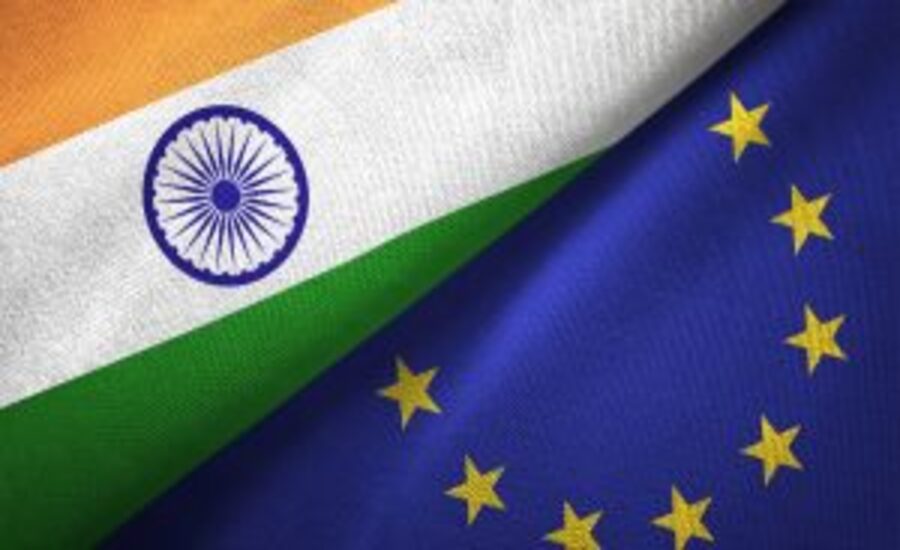
New Delhi: India and the European Union (EU) are on the verge of announcing a historic India–EU free trade deal at the 16th India-EU Summit in New Delhi today, heralding a new era in economic cooperation between the world’s fifth-largest and third-largest economies.
This landmark agreement — decades in the making — aims to cut tariffs, boost two-way trade, expand worker mobility, and deepen strategic ties across defence, technology and global markets.
Decades-Long Negotiations Finally Bear Fruit
Talks on a free trade agreement between India and the EU began in 2007, but disagreements on market access and regulations stalled progress for years.
Read also: DRDO Surya Laser Weapon Explained: Range, Technology, Capabilities, and Strategic Impact
After a renewed push in recent years, both sides — represented by Prime Minister Narendra Modi, European Commission President Ursula von der Leyen, and European Council President António Costa — have concluded official negotiations ahead of the summit.
According to Indian Commerce Secretary Rajesh Agrawal, the deal is “balanced and forward-looking” and will support deeper economic integration between India and the EU. A formal signing is expected in the next five to six months after legal review.
Key Highlights of India–EU Free Trade Deal
Here are the main highlights of India–EU Free Trade Deal 2026;
1. Broad Elimination of Tariffs
The agreement will eliminate or significantly reduce tariffs on over 90% of goods traded between India and the EU. This includes labour-intensive products such as textiles, footwear and engineering goods, which are among India’s key export strengths.
2. Opening Auto Markets
One of the major highlights is the reduction of tariffs on European cars imported into India. Duties on select car models could be cut from current levels as high as 70%–110% to around 40%, and eventually closer to 10%, giving European manufacturers better access to India’s fast-growing auto market.
3. Enhanced Worker Mobility
A framework to support mobility of professionals and skilled workers between India and the EU is likely to be included. This could help India’s millions of skilled professionals access broader opportunities and benefit European industries facing skill shortages.
4. Balanced Protection for Key Sectors
While the deal opens markets, some sensitive sectors such as agriculture and dairy are expected to remain protected to safeguard domestic interests in both regions.
Deeper Defence Deal to Watch
Alongside the trade deal, India and the EU are expected to finalise a Security and Defence Partnership (SDP) to enhance cooperation in defence supply chains, technology sharing, and joint military readiness.
People-to-People and Climate Cooperation
The summit agenda also includes discussions on climate change, clean technology, and people-to-people exchanges, showcasing an agenda beyond just trade.
European leaders attended India’s 77th Republic Day parade as chief guests, signalling strong diplomatic goodwill and the shared commitment to deeper cooperation.
What is the Importance of India–EU Free Trade Deal
India and the EU together account for nearly 25% of the world’s GDP, representing a massive market of around 2 billion consumers.
Analysts expect the trade agreement to substantially increase exports from India, particularly in services, garments, leather and engineering goods.
European exporters, such as car makers and wine producers, also stand to gain improved access to India’s growing middle-class market.
Job Creation and Investment
Experts suggest that increased market access could lead to stronger job growth in both regions — particularly in labour-intensive industries — while attracting new foreign direct investment (FDI).
What are the Implications of India–EU Free Trade Deal
The India–EU free trade agreement arrives at a time of shifting global alliances. Both New Delhi and Brussels have faced strained relations with traditional partners such as the United States and China, prompting a strategic pivot toward diversified economic partnerships that enhance autonomy and resilience.
EU leaders have publicly stated that a prosperous and stable India benefits global stability, underscoring the geopolitical weight of this partnership.
Read also: Meet The Man Behind Akash Missile: Gaddamanugu Chandramouli Received Padma Shri 2026