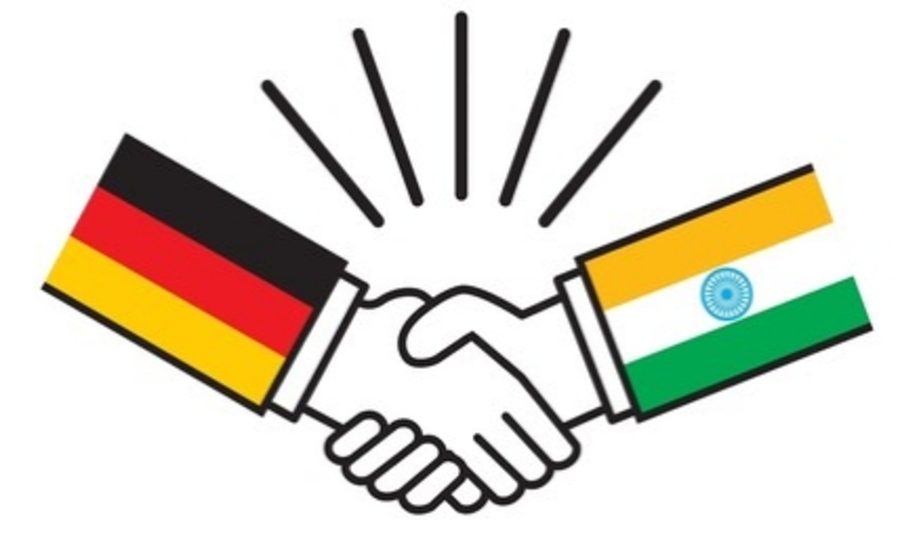
New Delhi: India and Germany have taken their bilateral relations to new heights with the signing of a Joint Declaration of Intent (JDI) on Defence Industrial Cooperation during German Chancellor Friedrich Merz’s official visit to India on January 12-13, 2026.
This landmark agreement establishes a comprehensive framework for long-term collaboration encompassing co-development, technology transfer, co-production of defence equipment, and stronger military-to-military engagement — marking a shift from episodic arms purchases to sustained industrial partnership.
Chancellor Merz’s visit — his first to Asia since taking office — was hosted by Indian Prime Minister Narendra Modi in Gandhinagar, Gujarat, emphasizing deepening strategic and economic ties across sectors.
What is India–Germany Defence Industrial Cooperation Framework
India and Germany’s defence cooperation has historically been limited by cautious German export policies and India’s reliance on traditional partners.
However, the new Defence Industrial Cooperation Framework charts jointly agreed pathways for:
- Co-development and co-production of military platforms
- Technology partnerships and knowledge exchange
- Joint research and innovation in cutting-edge defence systems
- Enhanced export clearance processes to streamline German equipment deliveries to India
This framework is intended to support India’s Atmanirbhar Bharat (Self-Reliant India) initiative — reducing dependence on a few suppliers and encouraging domestic defence manufacturing growth through global collaborations.
Military-to-Military Cooperation
Alongside industrial cooperation, both nations underscored commitments to strengthen direct military engagement, including:
- Increased joint exercises
- Reciprocal port calls by naval vessels
- Expanded senior official exchanges
- Training and capability development programs
These measures aim to foster interoperability between the Indian Armed Forces and German defence institutions, enhancing readiness against shared security challenges such as maritime security, counter-terrorism, and emerging technologies like Counter-Unmanned Aerial Systems (C-UAS).
Context: Geopolitics and Economic Underpinnings
The announcement coincides with the dual celebration of 75 years of diplomatic ties and 25 years of the India-Germany Strategic Partnership, underscoring the relevance of historical bonds and future ambitions.
Economically, bilateral trade between India and Germany exceeded USD 50 billion in 2024, making Germany one of India’s most important European partners.
Chancellor Merz has also highlighted the importance of concluding the EU-India Free Trade Agreement, suggesting that enhanced economic integration could further strengthen security ties and reduce global protectionism’s negative impacts.
Broad Spectrum Cooperation of India–Germany Defence Industrial Cooperation Framework
While defence industrial cooperation was the headline outcome, the visit yielded 19 agreements and announcements across sectors, including:
1. Critical and Emerging Technologies
- Joint declarations to expand semiconductor cooperation
- Research partnerships in artificial intelligence and digital technologies
2. Green and Sustainable Development
- Continued collaboration under the Green and Sustainable Development Partnership (GSDP)
- Efforts to accelerate renewable energy and climate action initiatives
3. Telecommunications and Digital Infrastructure
Agreements to strengthen cooperation in ICT and telecom policy frameworks
4. Economic and Business Engagement
- Expansion of the German-Indian CEO Forum
- Enhanced bilateral trade and investment incentives
5. Cultural and People-to-People Exchanges
- Facilitated mobility for skilled professionals
- Collaborations in education, healthcare, and innovation networks
These diversified outcomes reflect the expanding scope of India-Germany cooperation from defence to broader strategic value chains.
What are the Implications of India–Germany Defence Industrial Cooperation Framework
India and Germany’s deepened cooperation comes at a time of heightened global tension, with both nations seeking stable strategic partnerships amidst evolving Indo-Pacific dynamics.
Analysts note that cooperation frameworks like these enhance India’s strategic autonomy while providing Germany a reliable partner in Asia, reducing mutual dependencies and contributing to a rules-based regional order.