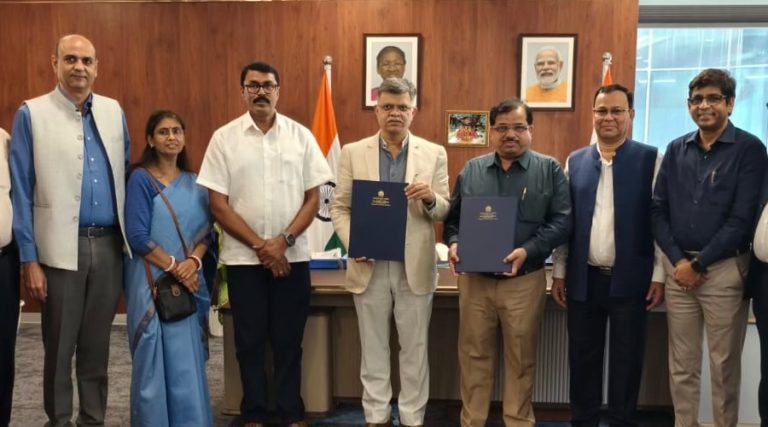
New Delhi, India — India’s aviation sector is set for a transformative leap with the government announcing a major push towards manufacturing indigenous regional jets.
The indigenous regional jet program, backed by a ₹12,511 crore Special Purpose Vehicle (SPV) initiative, aims to design, develop, and produce aircraft for domestic and regional routes — strengthening India’s footprint in global aerospace manufacturing and reducing dependence on foreign imports.
Indigenous Regional Jet Program: Bold Step Toward Aviation Self-Reliance
The Indian government plan to establish a Special Purpose Vehicle (SPV) with a substantial budget of ₹12,511 crore represents a significant push to build a regional transport aircraft entirely in India.
This SPV will serve as the central organization to coordinate funding, technical partners, design, certification, testing, and eventual production under one unified structure.
The initiative is aligned with the Make in India and Atmanirbhar Bharat visions, reflecting a larger strategy to cultivate domestic capabilities in aerospace manufacturing.
What is the Importance of This Indigenous Regional Jet Program
India’s aviation market is among the fastest-growing worldwide, with domestic carriers placing orders for over 1,500 aircraft in recent years to meet surging passenger demand and expand regional connectivity.
Currently, India remains heavily reliant on foreign aircraft manufacturers like Boeing and Airbus — a dependency that impacts foreign exchange reserves and limits the customization of aircraft for local needs.
A homegrown regional jet would enable airlines to operate efficient aircraft optimized for India’s unique geography and underserved tier-2 and tier-3 airports.
Focus on Certification, Testing, and Infrastructure
According to official project documents reviewed by industry sources, the largest share of the SPV’s budget will be directed toward:
- Certification and regulatory compliance, ensuring global safety standards like FAR-25 are met.
- Rigorous prototype testing — both on the ground and in flight.
- Infrastructure development, including manufacturing hubs and testing facilities.
This emphasis acknowledges the high complexity and cost associated with certifying civil aircraft to international standards — a critical milestone before commercial deployment.
Indigenous Regional Jet Program: International Collaboration and Indigenous Strength
To bridge gaps in design and certification expertise, the plan allows for the engagement of an international knowledge partner, with approximately ₹750 crore earmarked for consultancy in design, flight testing support, and global certification procedures.
Alongside global input, the SPV will leverage India’s existing aerospace research ecosystem, including organizations like National Aerospace Laboratories (NAL) and Hindustan Aeronautics Limited (HAL). This collaboration could fast-track technological innovation and manufacturing readiness.
Choosing the Aircraft Design Path
A pivotal decision for the SPV will be whether to adopt and evolve the existing 90-seater Regional Transport Aircraft (RTA-90) concept or pursue an entirely new design tailored to future aviation needs.
The RTA-90 design has roots in previous indigenous efforts like the SARAS program, offering a tested foundation. However, emerging technologies present opportunities to enhance efficiency, performance, and adaptability to regional airport challenges.
What are the Benefits of Indigenous Regional Jet Program
If successful, this program could:
- Create thousands of high-skill jobs in aircraft design, manufacturing, and maintenance.
- Strengthen India’s supply chain for avionics, engines, composites, and advanced materials.
- Reduce foreign exchange outflows by cutting import dependency.
- Position India as a global exporter of regional aircraft to markets across South Asia, Africa, and Southeast Asia.
Challenges Ahead
Despite the promising outlook, several challenges remain:
- Global certification hurdles by bodies such as the Directorate General of Civil Aviation (DGCA), FAA, and EASA.
- Building a resilient supply chain with local vendors meeting strict quality standards.
- Attracting and retaining skilled aerospace talent in a competitive international environment.
- Sustaining long-term funding and avoiding delays historically seen in complex aerospace programs.