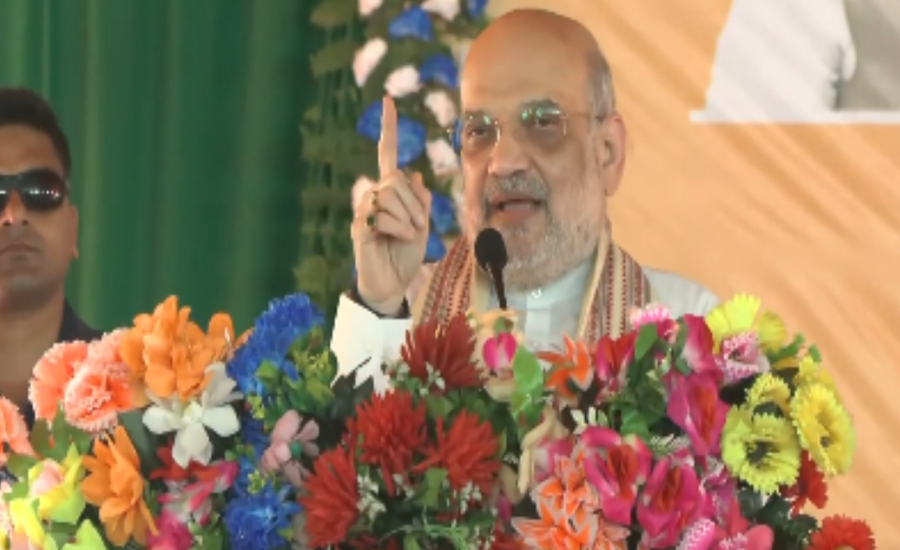
New Delhi: Today, India stepped into a new era of urban mobility with the official launch of Bharat Taxi, the country’s first cooperative-based ride-hailing service. The platform was inaugurated by Union Home and Cooperation Minister Shri Amit Shah at Vigyan Bhavan, New Delhi, marking a significant milestone in promoting inclusive, citizen-centric transportation solutions across India.
This pioneering platform aims to transform the taxi industry by shifting from profit-driven aggregator models to a driver-led cooperative system that ensures fair earnings, ownership rights, and greater dignity for drivers while offering affordable and transparent services to passengers.
What Is Bharat Taxi?
Bharat Taxi is India’s first ride-hailing service structured as a driver-owned cooperative, legally registered under the Multi-State Cooperative Societies Act, 2002.
Instead of a private company owning the platform, the drivers (called “Sarathis”) are co-owners of the service. This model promotes shared ownership, enabling drivers to benefit directly from their daily work and grow collectively.
Unlike traditional private aggregator apps that charge high commission fees, Bharat Taxi operates on a zero-commission model with no surge pricing. This ensures that both drivers and riders benefit from more predictable and fair pricing.
What is the Significance of Bharat Taxi Cooperative Taxi Service
The launch aligns with Prime Minister Shri Narendra Modi’s vision of “Sahkar se Samriddhi” (Prosperity through Cooperation). The government hopes this initiative will strengthen the cooperative movement nationwide and provide a dignified livelihood to drivers across states.
Union Minister Amit Shah emphasized that the platform is designed to unite drivers and riders through cooperation, allowing people to pool small amounts of capital to make significant progress together. He noted that through this platform, citizens will not only earn more but also become stakeholder owners with dignity.
Driver Empowerment: ‘Sarathi Hi Malik’
At the heart of Bharat Taxi is the principle of “Sarathi Hi Malik” (Driver Is The Owner). Each driver becomes a partner in the cooperative with shared ownership and decision-making rights. This structure ensures that profits are distributed directly among the drivers, not retained by corporations.
During the launch event, the top six performing drivers were honored with share certificates and insurance benefits. Each received ₹5 lakh personal accident insurance and ₹5 lakh family health insurance, further reinforcing the platform’s focus on driver welfare.
What are the Features of Bharat Taxi Cooperative Taxi Service
Here are the features of Bharat Taxi cooperative taxi service;
Transparent, Affordable Rides
- Transparent pricing without surge charges.
- Zero commissions on driver earnings.
- No middleman fees, ensuring more income for drivers.
Social Security and Welfare Initiatives
- Personal accident insurance.
- Family health insurance.
- Retirement savings and dedicated driver support systems.
Women’s Safety and Participation
The “Sarathi Didi” initiative promotes women drivers, fostering safety and employment opportunities for women on the platform. Over 150 women drivers have already joined Bharat Taxi.
Current Footprint and Future Expansion
Since its inception, Bharat Taxi has grown rapidly:
- More than 3 lakh drivers joined the cooperative.
- Over 10,000 rides are completed daily on the platform.
- Dedicated support centers have begun operations in multiple regions, including Delhi.
The government of india plans to expand Bharat Taxi’s services to all states and major cities in India within the next two years, enhancing mobility infrastructure and increasing access to safe, affordable travel options nationwide.
What This Means for India’s Ride-Hailing Landscape
Bharat Taxi introduces a home-grown alternative to popular private platforms like Ola and Uber by focusing on:
- Cooperative ownership for drivers.
- Fair and transparent pricing.
- Social security benefits.
- Gender-inclusive employment.
This cooperative model could reshape how urban transportation functions in India, making mobility services more equitable, sustainable, and inclusive.
Conclusion
The launch of Bharat Taxi represents a milestone in India’s journey toward cooperative-driven economic empowerment and inclusive growth. By placing drivers at the centre of ownership and rewarding them with equitable benefits, this platform is poised to become a model for community-oriented digital services around the world.