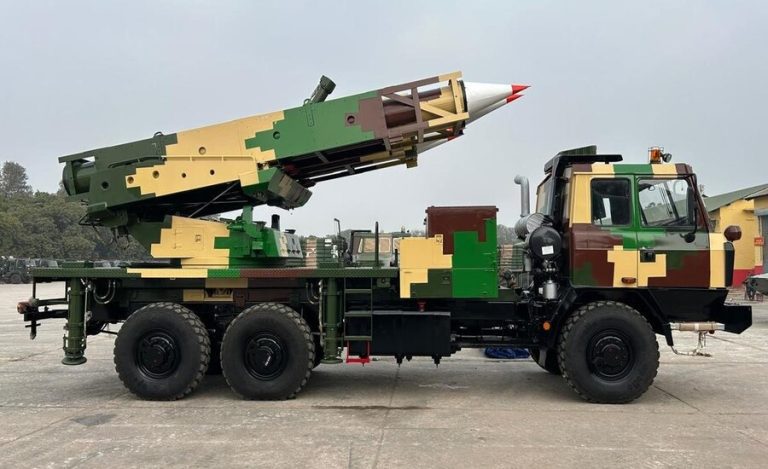
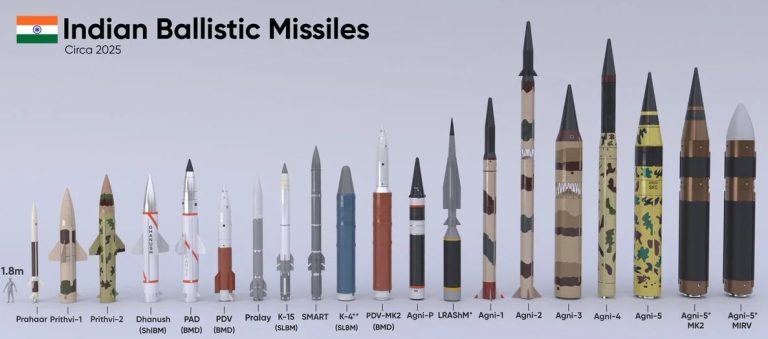
New Delhi: India is advancing its strategic capabilities with the development of a next-generation intercontinental ballistic missile (ICBM) designed to penetrate the world’s most sophisticated missile defence systems, including the US Terminal High Altitude Area Defence (THAAD), Russia’s S-500, and China’s HQ-19.
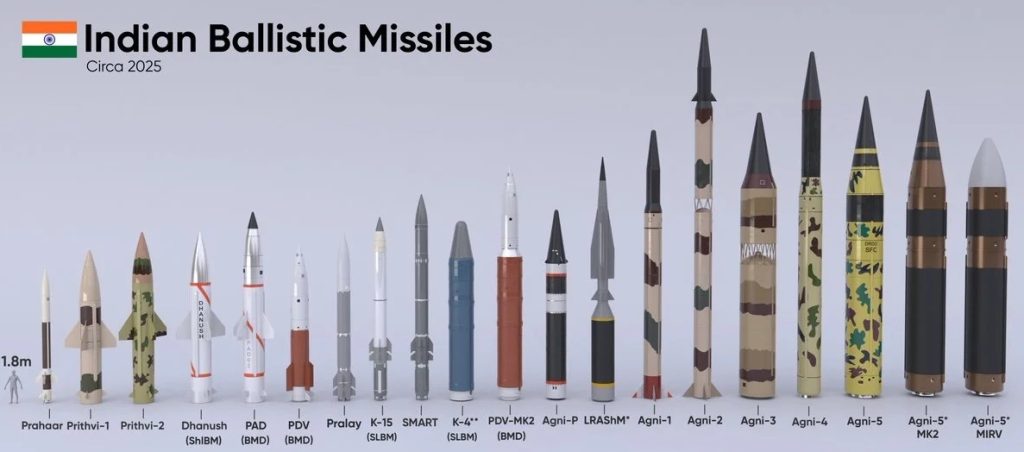
The missile, reportedly completed in design in 2025, is lighter and more efficient than the Agni-5, featuring Multiple Independently Targetable Reentry Vehicle (MIRV) technology and advanced stealth measures. Its development underscores India’s commitment to strengthening its second-strike deterrence and strategic reach.
Lighter, Faster, and More Efficient Than Agni-5
The upcoming ICBM is expected to be over 20% lighter than Agni-5 due to the use of advanced composite materials in its structural components and engine casing. This weight reduction will enhance fuel efficiency, speed, and operational range.
Key performance aspects include:
- Range: Exceeding 10,000 km, roughly double that of Agni-5
- Payload: 10–12 warheads with individual targeting capability (MIRV)
- Stealth: Radar-absorbing coatings and decoys for evading missile defenses
Advanced Evasion Capabilities
To overcome sophisticated anti-ballistic missile systems, the missile will incorporate Manoeuvrable Re-entry Vehicle (MaRV) technology. A MaRV can alter its trajectory during re-entry, making interception by THAAD, S-500, or HQ-19 extremely challenging.
Read Also: Suryastra Rocket System Explained: Features, Range, and Quick Comparison with Pakistan’s Fatah-II
Additional stealth measures include:
- Radar-evading coatings
- Maneuverable warhead deployment
- Advanced decoys to mislead defense radars
These capabilities are intended to ensure a credible second-strike option in case of conflict escalation.
Technology Leveraged From K-5 and K-6 SLBMs
Reports indicate that technology from K-5 and K-6 submarine-launched ballistic missiles (SLBMs) is being leveraged for this new missile program. The K-series SLBMs are designed for submarine launch tubes, allowing for compact, lightweight design without sacrificing payload or range.
The missile is projected to carry warheads weighing up to three tons, thanks to lightweight composites replacing traditional steel structures.
Strategic Objectives and Significance
The missile program aims to:
- Strengthen India’s strategic deterrence posture
- Provide credible second-strike capability
- Extend India’s reach to any global target beyond 10,000 km
- Maintain technological parity with global missile powers
This initiative represents a significant step in India’s efforts to modernize its strategic forces while countering emerging missile defense threats from other major powers.
Key Features Summary
| Feature | Details |
| Range | >10,000 km |
| Warheads | 10–12 MIRV warheads |
| Weight | 20% lighter than Agni-5 |
| Evasion | MaRV, radar-absorbing coating, decoys |
| Payload Capacity | Up to 3 tons |
| Technology | Derived from K-5/K-6 SLBMs |
| Strategic Role | Second-strike deterrent |
Read Also: Indian Army Plans Drone-Dominated Warfare: Key Highlights from New UAS Technology Roadmap