New Delhi: India is accelerating its pursuit of indigenous aero engine development as a cornerstone of defence self-reliance and strategic security. On February 16, 2026, Defence Minister Rajnath Singh reviewed ongoing military gas turbine engine projects at the Defence Research and Development Organisation’s (DRDO) Gas Turbine Research Establishment (GTRE) in Bengaluru, Karnataka. During the visit, he stressed the critical need for home-grown propulsion systems in defence and aerospace sectors, underlining governmental commitment to Aatmanirbharta (self-reliance) in aero engine technology.
Background of Indigenous Aero Engine Development
Raksha Mantri Rajnath Singh visited the GTRE laboratory located in Bengaluru to review the progress of India’s indigenous gas turbine engine development programs. GTRE — a premier lab of DRDO — is tasked with designing and developing turbine engines for Indian military aircraft and future aerospace platforms.
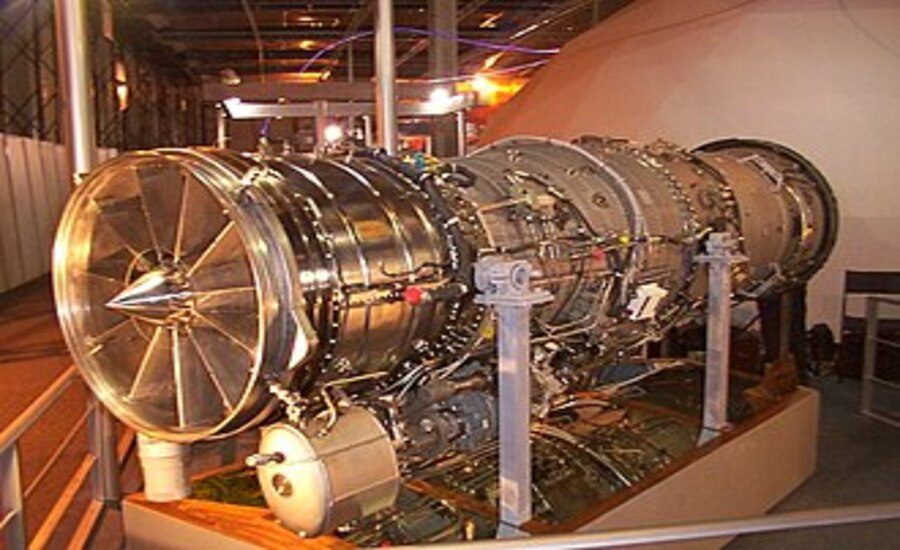
During the visit, Singh was briefed on several projects in advanced stages, interactions with Indian industry partners, research organisations, and academic bodies supporting engine development. He also witnessed the full afterburner engine test of the Kaveri engine, one of India’s longstanding indigenous propulsion initiatives.
Aatmanirbharta in Defence: A Core National Focus
Interacting with scientists and officials, Raksha Mantri applauded GTRE’s efforts toward strengthening national security through self-reliance. He described DRDO as the foundation pillar of India’s strategic defence capabilities, especially amidst an evolving geopolitical landscape.
Singh highlighted that global supply chains are under stress, and nations possessing indigenous technology will remain secure and resilient. He emphasised that India’s government remains committed to Aatmanirbharta in every advanced defence field, particularly in aero engine development.
Defence Minister on Indigenous Aero Engine Development
Recognising the complexity of aero engine technology—which requires mastery over thermodynamics, material science, fluid mechanics and more—Raksha Mantri urged scientists to accelerate development timelines.
Singh noted India’s move towards the Advanced Medium Combat Aircraft (AMCA) program and stressed that future defence platforms will demand high-performance engines. India cannot restrict itself to current fifth-generation technologies but must proactively pursue sixth-generation innovations, incorporating artificial intelligence (AI), machine learning, and next-gen materials.
Lessons from Operation Sindoor and Strategic Imperatives
Referring to Operation Sindoor, Raksha Mantri said the operation demonstrated India’s growing self-reliance across defence systems—from communications and surveillance to weapons systems—all of which were indigenous in nature. He said this strengthened morale within the armed forces and highlighted the urgent need to produce world-class indigenous technologies for future challenges.
Global Collaborations Under National Aero Engine Mission
The Raksha Mantri also shed light on collaborative studies with the United Kingdom and ongoing engagements with France under the National Aero Engine Mission. Both countries possess advanced aero engine technology, and these partnerships aim to transfer knowledge, share experiences, and accelerate India’s indigenous engine capabilities.
Indigenous Aero Engine Development: Dual-Use Potential and Economic Impact
Singh highlighted that innovations at GTRE have dual-use applications extending to civil aviation, power generation, and the space sector. As India becomes one of the world’s fastest-growing civil aviation markets, advancements in defence aero engine technology may soon benefit commercial aircraft, power infrastructure, and broader techno-economic growth.
Trade and Diplomatic Opportunities
Raksha Mantri also noted the recently completed India-European Union Free Trade Agreement, marking a milestone after 18 years of negotiations. He termed it recognition of India’s rising economic and geopolitical influence. In a reference to diplomatic discussions, he mentioned his meeting with the Defence Minister of Greece, noting that India is increasingly viewed not merely as an emerging power but as a future global superpower.
Read also: Inside Agni-3 Missile Test: Range, Capability, Purpose and Strategic Significance Explained