New Delhi: In a major transformation aligning India’s military with emerging tech-centric battlefield demands, the Indian Army has created the ‘Bhairav’ Modern Warfare Force—an advanced force structure integrating more than 100,000 trained drone operatives with specialised units designed for hybrid and high-speed offensive operations.
This strategic overhaul comes as defence thinkers globally recognise that future wars will be defined by drones, automation, AI, and networked warfare capabilities, requiring agile, responsive forces capable of rapid manoeuvre and deep penetration behind enemy lines.
Why Does India Need of Bhairav Modern Warfare Force
Modern conflicts now blend conventional combat with technological warfare, including drones, cyber domains, and precision strikes.
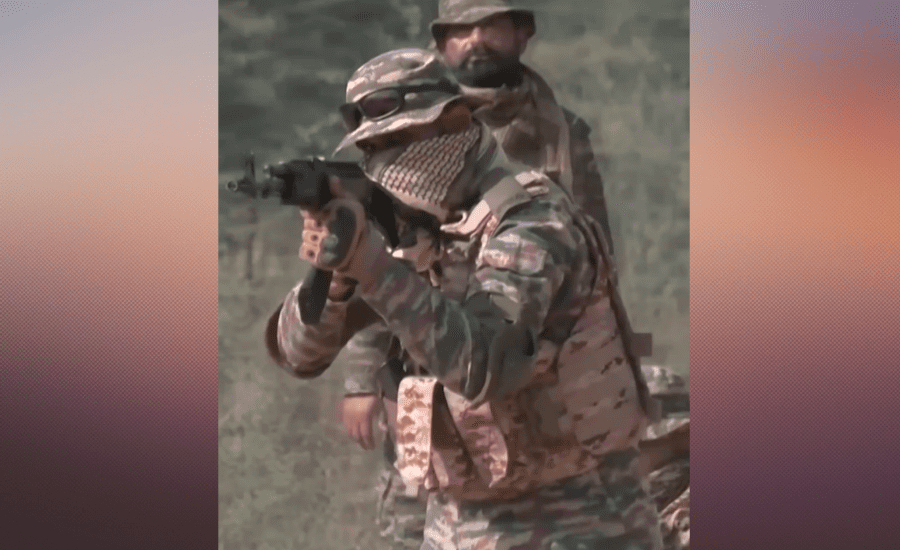
According to reports, the Indian Army’s newly formed Bhairav units are explicitly designed to operate in this dynamic environment, bridging the capability gap between conventional infantry and elite Special Forces.
Every Bhairav operator is trained in drone deployment, enabling them to use unmanned aerial systems (UAS) for missions ranging from surveillance to precision attacks on enemy installations.
This marks a departure from traditional infantry tactics, reflecting lessons drawn from global conflicts where drones have become decisive assets.
Formation and Deployment Timeline of Bhairav Modern Warfare Force
Over 1,00,000 personnel across various formations have been trained as drone operators integrated into the force.
About 15 Bhairav battalions are already raised, with plans to expand to approximately 25 battalions in the near future.
Units have been strategically deployed along both the northern and western borders given their relevance to India’s primary strategic theatres.
Each battalion—drawn from regular infantry regiments—undergoes rigorous preparation to adapt to complex terrains and high-tech operations.
One such unit under the Southern Command demonstrated its readiness during Exercise Akhand Prahar, underscoring the Army’s commitment to operational excellence.
What are Importance of Bhairav Modern Warfare Force
Here are the following importance of Bhairav Modern Warfare Force;
Operational Readiness and Training Regimen
Bhairav units are not traditional infantry. Soldiers undergo specialized preparation emphasizing:
- Drone flight operation and command
- Targeting and strike coordination
- Integrated battlefield communication
- Tactical use of autonomous systems
Commanding officers describe these forces as “swift, capable, and decisive”, highlighting their transformative role in hybrid warfare contexts.
Their capabilities have been validated in training environments that simulate real combat conditions, with senior commanders witnessing performance in exercises where drones and ground forces are seamlessly integrated.
Integration with Broader Army Reform
The Bhairav initiative is part of a broader Indian Army modernization roadmap, which includes:
1. Rudra Brigades
All-arms formations that combine infantry, armour, artillery, and drones into more lethal, networked units.
2. Drone Platoons (“Ashni”)
Dedicated drone units embedded at the company and platoon levels to ensure ubiquitous UAV support across battalions.
3. Indigenous Drone Procurement
The Army has placed large orders (₹5,000+ crore) for domestically produced UAVs capable of resisting electronic warfare and spoofing, signaling a move towards self-reliance in defence technology.
This multi-pronged strategy is part of a post-Operation Sindoor restructuring, seeking to ensure that Indian forces remain ahead of adversaries in technology and tactical application.
What are the Implications of Bhairav Modern Warfare Force for India’s Defence Posture
Given rising tensions across India’s borders and evolving warfare dynamics worldwide, the Bhairav force enhances:
- Rapid response capability
- Deep strike precision
- Situational awareness through drones and automated systems
- Force agility and operational depth
This capability is likely to shape how Indian forces conduct border deterrence and conflict engagement in the coming decade.