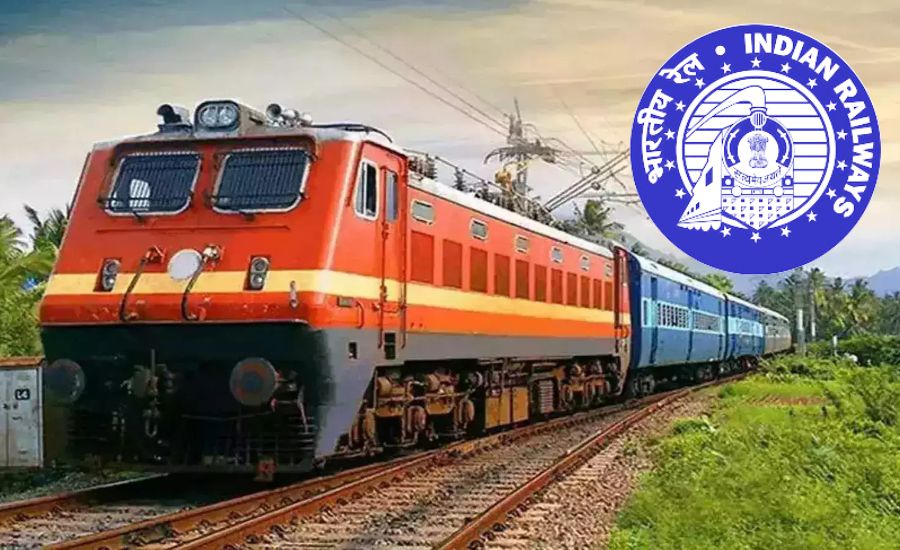
New Delhi: In what is being seen as one of the most significant administrative reforms in recent years, Indian Railways has initiated a historic restructuring of its top administrative establishment at Rail Bhawan. The Railway Board has decided to permanently reduce its senior administrative strength by sending 50 director- and executive director-level officers out of Delhi and into zonal and divisional field postings, marking a major shift from centralized governance to ground-level accountability.
This move will reduce the officer strength at Rail Bhawan from around 200 to 150, effectively cutting nearly 25 percent of the sanctioned senior posts in the Railway Board structure.
50 Senior Officers to Leave Rail Bhawan Without Formal Farewell
According to the restructuring blueprint, around 50 officers currently serving at director and executive director levels will leave Rail Bhawan and be posted directly to zonal and divisional headquarters across the country.
What makes the move particularly striking is that these officers are being shifted without ceremonial farewells, underlining the urgency and seriousness of the administrative reform.
A senior Railway Board official indicated that the list of posts to be vacated is expected to be finalized by the end of March 2026, while the first batch of officers is likely to move to field assignments from April 1, 2026.
Read also: From Kashmir to Mizoram: Indian Railways Completes 1,900 km of Major Rail Projects Strengthening National Integration
Railway Board to Function in New Format by September
Officials indicate that the full restructuring process is expected to be completed by September 2026.
Once implemented, the Railway Board will function in a leaner format, with fewer officers stationed at headquarters and greater administrative authority delegated to officers deployed in field units.
This is expected to significantly alter decision-making patterns within Indian Railways by bringing policy execution much closer to operational zones.
A Reform Nearly Nine Years in the Making
Although the present move appears sudden, the idea of restructuring the Railway Board has existed for years.
The proposal for reorganization dates back to 2017, when multiple committees recommended reducing bureaucratic layers within Indian Railways and making top-level administration more responsive.
However, despite repeated discussions, the implementation took nearly nine years to materialize.
The present restructuring therefore represents the first major concrete execution of that long-pending reform agenda.
Why Railways Wants Officers in the Field
The key principle behind the reform is straightforward: decision-makers should be closer to execution points.
Until now, a large number of senior officers remained concentrated in Delhi, where policy decisions were taken but implementation often depended on several field layers, creating delays and administrative bottlenecks.
By sending senior officers directly to zones and divisions, Indian Railways expects faster decision cycles, quicker approvals, and more direct supervision of projects.
Officials believe this could improve project execution speed by up to 40 percent.
Direct Monitoring of Projects and Accountability
Under the new arrangement, officers who previously worked mainly on files and policy notes at headquarters will now directly supervise operational delivery.
This means senior officers will be accountable not just for drafting policy, but also for project outcomes on the ground.
Reports suggest that specialists may be deployed to zones where critical projects are moving slowly, particularly in technically sensitive areas.
For instance, where work related to safety systems, signaling modernization, or advanced protection technologies is delayed, senior officers with relevant expertise may be directly assigned to those divisions.
Impact on Passenger Services
The restructuring is also expected to directly affect passenger-facing services.
Senior officials posted in the field will now be able to monitor:
• station cleanliness
• catering services
• passenger amenities
• grievance redressal systems
• on-site operational performance
Because officers will be physically present closer to operations, passenger complaints are expected to be addressed more quickly than under the current centralized model.
Focus on Safety and Track Maintenance
One of the most important goals of the restructuring is improving railway safety.
By placing senior officers directly in field operations, Indian Railways aims to reduce negligence in:
• track maintenance
• signaling supervision
• rolling stock monitoring
• safety audits
Direct senior supervision is expected to strengthen accountability in maintenance systems that often determine operational safety.
Reducing Train Delays Through On-Site Supervision
Another area likely to benefit is punctuality.
Senior officers stationed at zonal and divisional levels will directly oversee:
• yard remodeling
• traffic bottleneck removal
• route optimization
• congestion management
This is expected to improve train movement efficiency and reduce delays caused by unresolved local operational constraints.
Boost for Amrit Bharat Station Scheme
The reform may also accelerate infrastructure delivery under the government’s ambitious station redevelopment programme.
Under the Amrit Bharat Station Scheme, multiple railway stations across India are currently undergoing modernization.
With senior headquarters officers directly supervising field execution, officials expect better construction quality and faster project completion.
This is especially significant because many station redevelopment projects currently face delays linked to coordination issues.
End of Over-Centralization in Rail Governance
For decades, Rail Bhawan has remained the nerve centre of railway administration, with a large concentration of senior officers handling everything from policy to approvals.
The present reform signals a conscious shift away from excessive centralization.
Instead of Delhi remaining the sole decision hub, power is gradually being redistributed toward zones and divisions where real operational challenges emerge every day.
Administrative Significance Beyond Railways
The reform is being watched closely across administrative circles because it reflects a broader governance trend: reducing headquarters-heavy bureaucracy and pushing senior officers toward execution roles.
If successful, this model could influence similar restructuring debates in other large government departments.
What Happens Next
The immediate next steps include:
• finalization of the list of 50 posts
• issue of movement orders by end of March
• first field postings from April 1
• phased restructuring till September 2026
Railway officials expect the transition to continue in phases to avoid disruption in policy functioning.
Why This Reform Matters
This restructuring is not merely about reducing numbers at Rail Bhawan.
It represents a deeper administrative philosophy:
fewer layers, faster decisions, stronger accountability, and direct operational ownership.
For Indian Railways, which manages one of the world’s largest transport networks, such a shift could have long-term consequences for governance, safety, and passenger experience.
Read also: Who Was Ex-IPS H.J. Dora? Former Andhra Pradesh DGP Passes Away at 83 in Hyderabad