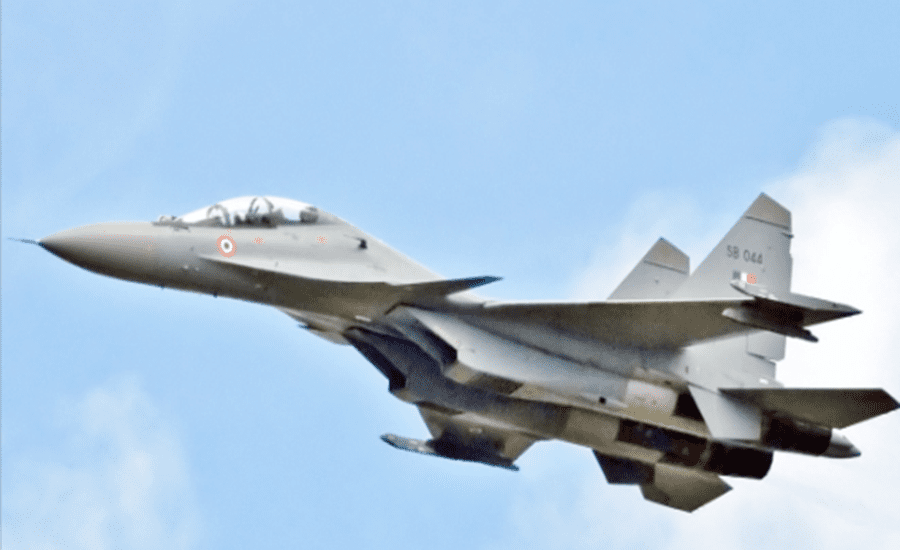
New Delhi: India has taken another decisive step towards strengthening its indigenous defence manufacturing ecosystem with the successful development of an indigenous brake parachute system for the Sukhoi Su-30 fighter aircraft.
The system, built by Gliders Defence, has been highlighted by the Department of Defence Production under the Ministry of Defence as a critical safety-enhancing component for frontline combat aircraft.
The development reinforces India’s broader Aatmanirbhar Bharat vision, aimed at reducing dependence on imports while strengthening domestic aerospace engineering and manufacturing capabilities.
What Is a Brake Parachute for Sukhoi Su-30
A brake parachute is a safety-critical deceleration system deployed during aircraft landing.
Once activated, it generates aerodynamic drag, allowing high-speed fighter jets like the Sukhoi Su-30 to slow down rapidly after touchdown.
What are the Benefits of Brake Parachute for Sukhoi Su-30
Key operational benefits include:
- Reduced landing roll distance, especially on short or wet runways
- Enhanced safety margins during high-speed recoveries
- Lower brake and tyre stress, extending aircraft service life
- Improved operational readiness at forward and high-altitude air bases
For a heavy, twin-engine multirole fighter such as the Su-30, the brake parachute plays a vital role in ensuring safe and efficient landings across diverse operational conditions.
Indigenous Engineering Replaces Imported Dependence
Until recently, brake parachute systems for Russian-origin fighter aircraft largely relied on foreign suppliers, creating logistical, cost, and supply-chain vulnerabilities. The successful indigenous development of this system marks a strategic shift.
According to defence officials, the new brake parachute reflects:
- Matured Indian aerospace engineering
- Compliance with stringent military aviation safety standards
- Reliability required for frontline combat operations
By developing this system domestically, India reduces long-term maintenance costs, ensures faster availability of spares, and secures critical technologies within its own defence ecosystem.
Role of Indian Industry in Defence Aviation
The project underscores the expanding role of Indian private industry in delivering mission-critical defence hardware. Companies like Gliders Defence are increasingly contributing to systems that are not merely auxiliary but essential to operational safety and readiness.
This aligns with the government’s push to:
- Encourage Make in India for Defence
- Promote public-private collaboration
- Build a future-ready military aviation ecosystem
Precision That Protects Every Landing 🇮🇳
— Defence Production India (@DefProdnIndia) January 14, 2026
This Indigenous Brake Parachute for #Sukhoi Aircraft (#Su-30) which is built by @Gliders_Defence (#GIL), reflects India’s growing aerospace engineering capability—enhancing operational safety, reducing risk, and reinforcing a future-ready… pic.twitter.com/AHCKpEe03U
Such programmes also generate high-skill employment and foster innovation within India’s aerospace supply chain.
Strengthening Operational Readiness of the Indian Air Force
The Indian Air Force operates one of the world’s largest Su-30 fleets.
Enhancements in landing safety systems directly contribute to:
- Higher sortie generation rates
- Safer operations at forward and strategic air bases
- Improved aircraft availability and lifecycle management
The indigenous brake parachute therefore plays a subtle but critical role in sustaining India’s air combat capability.