New Delhi: India’s space programme is taking another major step forward as the ISRO advanced radar research facility begins construction near Guwahati in Assam. The new centre will help India track satellites, monitor space debris, and improve space safety. The facility is part of ISRO’s ambitious Project NETRA, which aims to give India an independent capability to monitor objects in space and protect valuable satellites from potential collisions.
What Is The Assam ISRO Advanced Radar Research Facility
The Indian Space Research Organisation (ISRO) is establishing an advanced radar research facility at Chandrapur near Guwahati, Assam.
Read also: What is the ISRO Santulan Programme? How This Non-Tech Space Programme Will Boost Gaganyaan Mission?
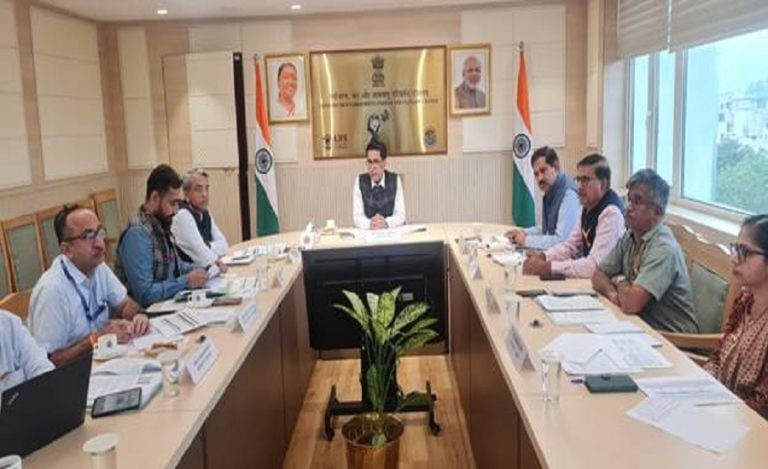
The foundation stone for the project was laid in the presence of ISRO Chairman V. Narayanan and Assam Chief Minister Himanta Biswa Sarma.
The 67-acre facility will become an important part of India’s growing space surveillance network. It will use advanced radar systems to track satellites and space debris orbiting Earth.
Why Does India Need Assam ISRO Advanced Radar Research Facility
Thousands of satellites are currently orbiting Earth. Along with operational satellites, there are millions of pieces of space debris, including old rocket parts and inactive satellites.
Even a small piece of debris can damage a satellite travelling at very high speeds. That is why space agencies around the world continuously monitor objects in space.
Protecting Indian Satellites
India relies on satellites for communication, navigation, weather forecasting, disaster management, television broadcasting, and national security. The new radar facility will help ISRO detect possible collision threats early and take preventive action when needed.
How Will The Facility Work
The new centre is being developed under Project NETRA (Network For Space Object Tracking And Analysis).
Project NETRA was approved to give India its own space situational awareness capability instead of depending heavily on foreign tracking data. The system will monitor satellites, orbital debris, and other objects that could threaten Indian space assets.
Advanced Radar Technology
The Chandrapur facility will use modern radar technology capable of detecting and tracking objects in space. Data collected from the facility will be integrated into ISRO’s broader monitoring network, helping scientists make accurate predictions about potential collisions.
More Than Just Space Monitoring
The facility will also support atmospheric and weather-related research. ISRO plans to install cloud radars that can improve weather observations and help scientists better understand atmospheric conditions. The first cloud radar is expected to become operational before February 2027, with additional radars planned later.
Better Disaster Management
The radar systems will also assist in flood monitoring and severe weather forecasting. This capability could help authorities issue earlier warnings for floods, thunderstorms, and lightning events, potentially saving lives and reducing damage.
The Importance Of Project NETRA
Project NETRA was sanctioned with an initial investment of around ₹400 crore. The programme was created to provide India with an independent system for monitoring orbital debris and protecting satellites from collision risks.
ISRO has previously reported an increase in collision-avoidance manoeuvres as the number of objects in space continues to grow, highlighting the need for stronger monitoring infrastructure.
Why Assam Was Chosen
The Northeast offers a strategic location that helps improve observation coverage across a larger geographical area. The facility will strengthen India’s nationwide network of space surveillance systems while also bringing advanced scientific infrastructure to the region.
Read also: How ISRO Became The Launch Partner For 34 Nations Around The World
FAQs
Project NETRA is ISRO’s space surveillance programme designed to track satellites and orbital debris and provide India with independent space situational awareness capabilities.
It is a new ISRO facility being built near Guwahati, Assam, to track satellites, monitor space debris, support weather research, and improve disaster management capabilities.
The facility will help protect satellites from collisions, improve weather forecasting, support disaster warnings, and strengthen India’s overall space monitoring network.