New Delhi: The Indian Space Research Organisation (ISRO) plans to expand India’s space operations with four functional launch pads by 2029. ISRO Chairman V Narayanan announced the plan as India prepares to meet the growing demand for satellite launches.
The expansion includes a dedicated 2,000-acre Small Satellite Launch Vehicle (SSLV) complex at Kulasekarapattinam in Tamil Nadu. ISRO also plans to increase private-sector participation in commercial space operations.
Details of ISRO Expansion Plan
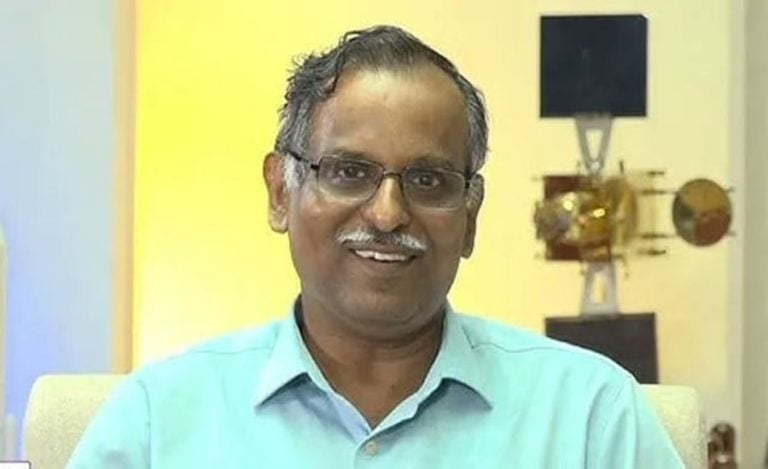
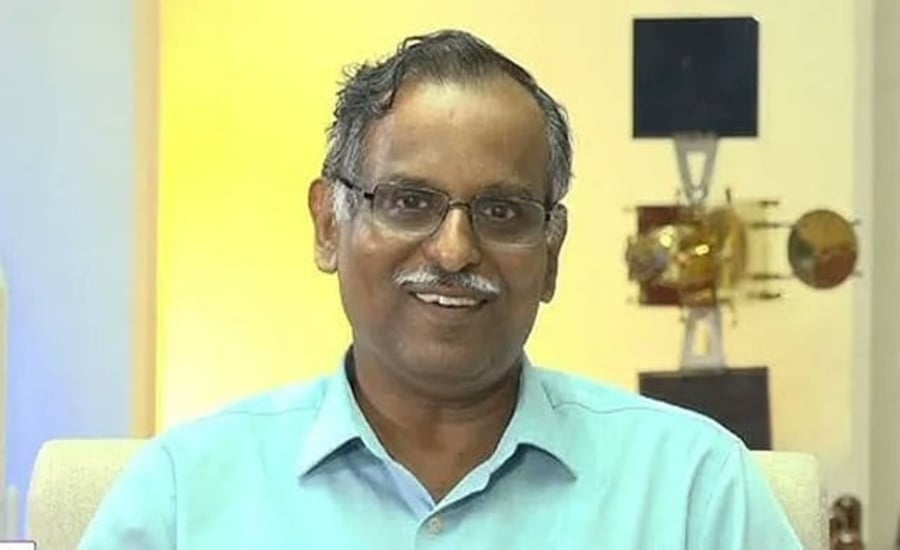
ISRO Chairman V Narayanan said India would significantly expand its space operations by 2029. The plan aims to support more satellite launches and strengthen India’s position in the global space industry.
Read also: Why EOS-05 Is One Of ISRO’s Most Important Satellite Missions In Recent Years
Narayanan shared the roadmap while speaking at a graduation ceremony at a private university in Chennai on Saturday, October 24, 2026.
The expansion will help ISRO meet the growing demand for satellite deployment. India is preparing to support thousands of satellites through stronger launch infrastructure and partnerships with private companies.
Kulasekarapattinam To Get A Dedicated SSLV Launch Complex
ISRO is developing a dedicated Small Satellite Launch Vehicle (SSLV) complex at Kulasekarapattinam in Tamil Nadu’s Tuticorin district.
The proposed complex will cover around 2,000 acres. It is being developed mainly to support SSLV launches and meet the increasing demand for small satellite deployment.
The facility will include vehicle integration buildings, launch pads, rail-track systems, and other important infrastructure.
It will also have telemetry, tracking, and command systems. These systems help monitor rockets and communicate with them during launch operations.
The complex is expected to support commercial launch activities and provide more opportunities for India’s growing space industry.
ISRO Expansion Plan: Private Companies To Support India’s Space Industry
Narayanan said private companies would play an important role in India’s expanding space sector.
He clarified that ISRO would not be privatised. However, the organisation plans to work closely with private companies, startups, and other businesses.
ISRO will support these companies by sharing technical knowledge and helping them develop their capabilities. The chairman said this cooperation would help India meet growing domestic and international demand for satellite launches.
He also said the partnership could support economic growth and create thousands of high-technology jobs.
ISRO’s Gaganyaan Mission Preparations Continue
ISRO is also preparing for the Gaganyaan human spaceflight programme. Narayanan said the first uncrewed Gaganyaan test was planned within the next two months. Two more uncrewed tests are expected before the crewed mission.
These tests will help ISRO check important safety systems before sending astronauts into space. The tests will examine environmental control systems, crew escape mechanisms, and the conditions inside the crew module.
Scientists will also study how the module performs under different pressure, temperature, and humidity conditions. ISRO has reportedly completed around 8,000 ground-based experiments for the mission.
Four astronaut-designates are also undergoing specialised training. The uncrewed missions will help engineers identify problems and improve safety before the first crewed flight.
Chandrayaan-5 Mission To Include Japanese Cooperation
Narayanan also discussed India’s future lunar exploration plans. He revealed plans for Chandrayaan-5, a collaborative lunar mission with Japan’s space agency.
The mission is expected to include a 350-kg rover. The rover will be designed to conduct scientific experiments on the Moon’s surface for around 100 days. The mission will strengthen cooperation between India and Japan in space exploration. It also reflects India’s growing interest in longer lunar missions and advanced scientific research.
Why ISRO Expansion Plan Is Important
The planned expansion of launch infrastructure is an important step for India’s space programme.
More functional launch pads could help ISRO support a greater number of missions. They could also improve its ability to manage government missions and commercial satellite launches.
The dedicated SSLV complex at Kulasekarapattinam is particularly important for small satellite launches.
Small satellites are used for communication, Earth observation, scientific research, and other applications. A dedicated launch facility could help India serve this growing market and create more opportunities for private companies. However, the success of the expansion will depend on completing infrastructure, developing reliable systems, and building strong partnerships.
Read also: Why ISRO Is Building A Massive New Radar Facility In Assam Under Project NETRA
FAQs
ISRO is developing a dedicated SSLV launch complex at Kulasekarapattinam in Tuticorin district, Tamil Nadu. The proposed facility will cover around 2,000 acres.
ISRO plans to have four functional launch pads by 2029. The expansion aims to increase India’s launch capacity and support growing satellite demand.
No. ISRO Chairman V Narayanan clarified that the organisation will not be privatised. However, ISRO plans to work with private companies and startups to support commercial space operations.