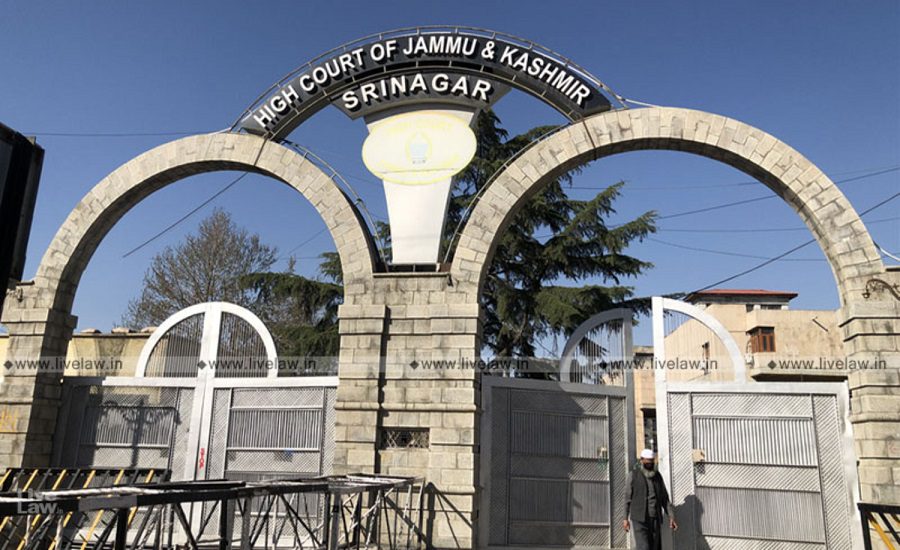
Ladakh: The Arms Licenses Scam has again come before the Jammu & Kashmir & Ladakh High Court after decades of judicial proceedings. Recently, the High Court directed the Ministry of Home Affairs (MHA) to file a fresh affidavit detailing the status of sanction to prosecute eight senior IAS officers named in the case. The development marks a key legal step in the ongoing efforts to bring accountability in a scam that saw thousands of illegal arms licenses issued across the region.
What Is the Jammu Kashmir Arms Licenses Scam
The arms licenses scam refers to a major corruption case in the erstwhile State of Jammu & Kashmir involving the issuance of illegal weapons licences between 2012–2016. A large number of licences were reportedly issued on questionable grounds, allegedly for monetary gains and using forged documents.
The Central Bureau of Investigation (CBI) took over the probe and filed cases against several officials, including senior Indian Administrative Service (IAS) officers. However, for a prosecution to proceed, government sanction is required under Indian law due to their official positions.
Jammu Kashmir Arms Licenses Scam: High Court Latest Direction to MHA
On March 2, 2026, in the ongoing litigation, the J&K & Ladakh High Court directed the Ministry of Home Affairs to submit a fresh affidavit clarifying the status of the sanction for prosecution against eight IAS officers mentioned in the FIRs connected to this case.
Read also: Who Can Investigate Corruption Cases Against Central Officers? Supreme Court Explains the Law
This directive came as part of a long-pending case where the court has been repeatedly seeking updates on whether official approval to prosecute these officers will be granted.
Why Is Sanction Important?
Under Indian criminal law, prosecution sanction is mandatory before government servants can be tried for offences related to the misuse of official position. Such sanctions must be formally granted by the competent authority—here, the MHA—before charges can be framed in court.
The absence of sanction has delayed the trial process, which has remained pending for years. The High Court’s fresh order compels the MHA to state clearly whether it will approve prosecution, reject it, or needs more time.
What Happens Next?
The High Court will review the fresh affidavit filed by the MHA and decide if prosecution can proceed. If sanction is granted, the CBI can file charges and the trial will begin against the officers. If not, the court may issue further directions or consider alternative legal measures.
This step reflects the judiciary’s sustained oversight in complex corruption matters that involve public officials and has broader implications for accountability in government departments.
Read also: SC Flags ‘Fake Arrest’ Cyber Fraud Surge, Calls CBI for Unified Investigation