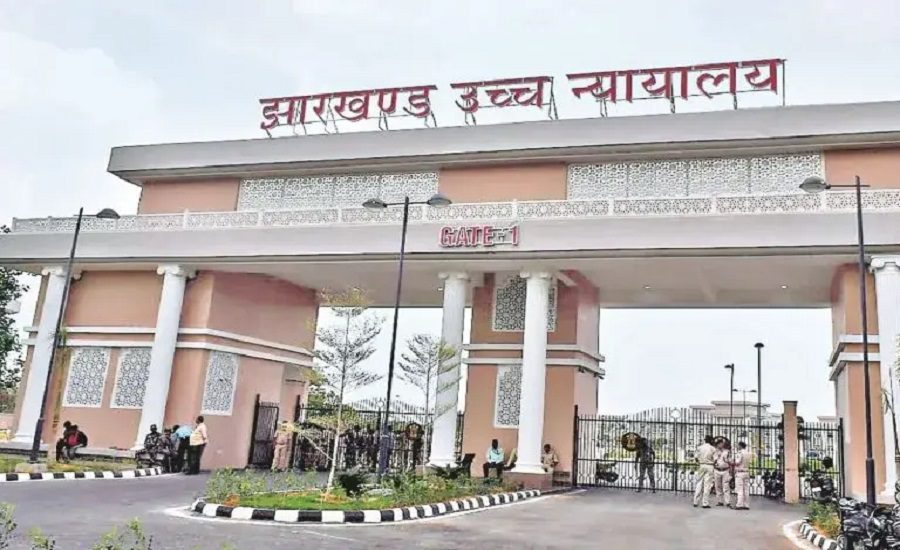
Ranchi: In a landmark judicial intervention aimed at reforming blood transfusion practices and strengthening healthcare infrastructure, the Jharkhand High Court has issued comprehensive directives to the State Government to ensure that 100% of blood collection is based on voluntary donation and to set up Blood Component Separation Units (BCSUs) in every district within three months.
The order underscores the urgency of eliminating unsafe practices and ensuring timely access to lifesaving blood for patients across the state.
Details of Jharkhand Replacement Blood Practice Ban
The Division Bench of the Jharkhand High Court — comprising Chief Justice Tarlok Singh Chauhan and Justice Rajesh Shankar — delivered the orders during the hearing of a crucial Public Interest Litigation (PIL) that has been pending for over four years. The PIL exposes long-standing failures of the State to adhere to national guidelines regarding blood collection, safety, and distribution.
The Bench expressed serious concerns over continued reliance on replacement blood practices — where patients’ relatives are compelled to arrange donors — despite clear guidelines that prohibit such procedures.
Comprehensive Directives Issued by the High Court
In its detailed order, the Court issued the following key directives to be implemented within three months:
1. Ensure 100% Voluntary Blood Collection
The State Health Department and the State Blood Transfusion Council have been expressly ordered to secure all blood units through voluntary blood donation drives. This mandate applies to both Government and private hospitals, ending dependence on replacement donors.
Experts contend that voluntary donation is the safest and most ethical method to ensure the quality and safety of blood supplies — aligning Jharkhand with India’s National Blood Policy.
2. Establish BCSUs in Every District
The High Court stressed that Blood Component Separation Units, which enable blood to be divided into components such as red cells, platelets, and plasma, are essential for modern, efficient, and life-saving transfusion services. It directed the State Government to ensure that every district in Jharkhand has a fully operational BCSU within a 90-day period.
3. Functional Day Care Centres and Disease Management Protocols
The authorities were tasked with making all Day Care Centres functional under National Health Mission guidelines, especially pertaining to hemoglobinopathies (conditions affecting hemoglobin) and sickle cell disease management programs.
4. Dedicated Grievance Redressal Mechanism
The Court ordered the establishment of a dedicated grievance redressal system, including:
- A mobile application
- A website
- A toll-free phone number
This system aims to assist patients and families in real time, enabling them to seek blood without replacement conditions and to register complaints directly.
5. Regular Inspections and Manpower Strengthening
All blood banks in the State must undergo inspections every three months, and staffing must reflect the recommendations of the Directorate General of Health Services expert working group, ensuring standards in medical, technical, and counseling personnel are met.
Background of Jharkhand Replacement Blood Practice Ban
The PIL highlighted that Jharkhand’s voluntary blood donations accounted for a mere 13% of total collections as of July 2025, with modest improvements to 25% by September — far short of the ideal 100% target.
Despite earlier assurances made by the State in 2018 to establish BCSUs across districts, only a handful of districts currently have component separation facilities. Efforts to enforce replacement-free transfusion policy and regular inspections were found to be largely ignored.
Local news reports indicate that the High Court’s directions also explicitly ban blood replacement practices in both government and private institutions, ensuring patients receive blood without first arranging a donor — a major departure from current operational norms.
What are the Implications of Jharkhand Replacement Blood Practice Ban
Healthcare advocates argue that the Court’s intervention could significantly improve patient outcomes and save numerous lives, especially among vulnerable populations requiring frequent transfusions such as thalassemia and sickle cell patients. Mandatory BCSUs will ensure that blood components like platelets and plasma are readily accessible within districts, removing dependency on urban hubs such as Ranchi.
However, implementation remains a challenge. Civil society members point out that prior orders from the High Court had limited compliance, and the success of these new directives will depend heavily on administrative commitment, infrastructure investment, and effective monitoring mechanisms.
Next Steps and Compliance Monitoring
The matter is scheduled for a compliance hearing on 20 March 2026, where the Court will review progress reports submitted by the State on each directive.
Non-compliance could invite stringent judicial actions, including contempt proceedings against defaulting authorities.