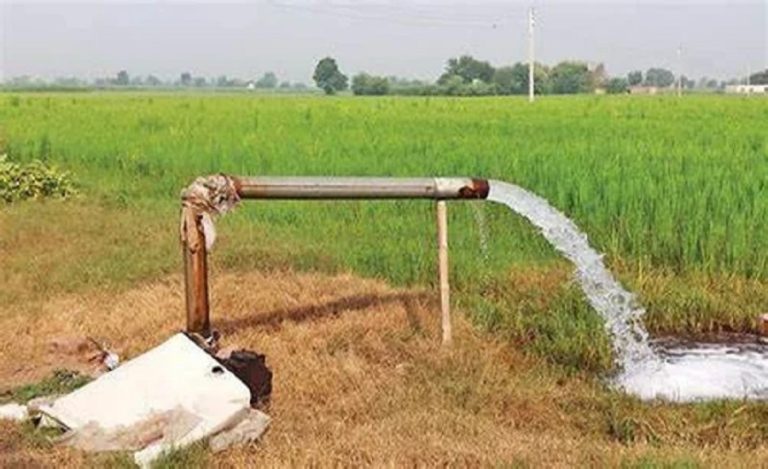
Ranchi: The Jharkhand Rural Development Department has taken a major initiative to revive completely dried-up borewells across the state under the Viksit Bharat G-RAM-G Scheme. The department has approved a plan to construct recharge pits around dry borewells to improve groundwater levels and restore their water availability.
Under the initiative, the department has identified 9,519 dry borewells across Jharkhand where work is being planned. The project aims to improve groundwater recharge, reduce water scarcity in rural areas and create additional employment opportunities for rural residents.
Recharge Pits to Be Constructed Around 9,519 Dry Borewells
Under the approved plan, recharge pits will be constructed around identified dry borewells. These pits will help collect rainwater and surface water and allow it to seep into the ground, thereby improving groundwater levels.
The initiative is expected to help revive dried-up borewells and improve water availability in surrounding villages. It will also contribute to long-term groundwater conservation and reduce water-related difficulties in rural communities.
Read also: Godda Homeopathic Medical College to Get ₹2.70 Crore Infrastructure Upgrade; E-Tendering Underway
₹15,000 Cost Per Borewell, 24 Person-Days of Employment
The estimated cost of constructing a recharge pit around each borewell is approximately ₹15,000. A major portion of this expenditure will be allocated towards labour payments.
The project is expected to generate around 24 person-days of employment for each borewell. Through this approach, the department aims to achieve two objectives simultaneously: groundwater conservation and rural employment generation.
According to the Rural Development Department, the new approach is also significantly more economical than conventional methods. Constructing similar recharge pits through the Water Resources Department or other traditional methods can cost nearly six times more.
The new initiative will therefore help complete groundwater recharge work at a considerably lower cost.
Initiative to Improve Groundwater Levels and Reduce Rural Water Scarcity
The recharge pit project is expected to provide multiple benefits to rural communities across Jharkhand.
By directing rainwater and surface water into underground aquifers, the initiative will support groundwater replenishment and improve the chances of restoring dried-up borewells.
The project is also expected to reduce water shortages in nearby areas and strengthen the availability of water for rural households.
With work planned at all 9,519 identified borewells, several villages across the state are expected to benefit from the initiative.
Scheme to Generate Employment in Rural Areas
The project is also expected to provide a fresh boost to rural employment.
Mrityunjay Barnwal, Commissioner of the VB-G RAM-G Scheme, said that employment opportunities in rural areas had declined after the MGNREGA work came to a halt due to various reasons.
He stated that the new initiative would help restart work on a large scale and create employment opportunities for rural workers through the construction of recharge pits.
With approximately 24 person-days of employment expected per borewell, the initiative will support livelihood opportunities while addressing the state’s groundwater challenges.
District-Wise Distribution of 9,519 Approved Borewell Projects
The Rural Development Department has identified and approved recharge pit projects across all 24 districts of Jharkhand. The district-wise distribution is as follows:
- Garhwa: 109
- Dhanbad: 560
- Koderma: 391
- Latehar: 213
- Palamu: 376
- Hazaribagh: 587
- Ranchi: 872
- Chatra: 249
- Bokaro: 143
- Godda: 86
- Sahibganj: 138
- Giridih: 1,926
- Lohardaga: 240
- Ramgarh: 230
- East Singhbhum: 520
- Dumka: 171
- Khunti: 459
- Gumla: 206
- Simdega: 126
- Jamtara: 162
- Pakur: 239
- Deoghar: 668
- West Singhbhum: 639
- Seraikela-Kharsawan: 209
Total: 9,519 approved borewell projects.
Giridih has the highest number of approved projects, with 1,926 borewells, followed by Ranchi with 872 and Deoghar with 668. Godda has the lowest number, with 86 approved borewells.
The initiative marks an important step towards sustainable groundwater management in Jharkhand. By combining water conservation with employment generation, the state government aims to improve rural water security while creating additional livelihood opportunities.