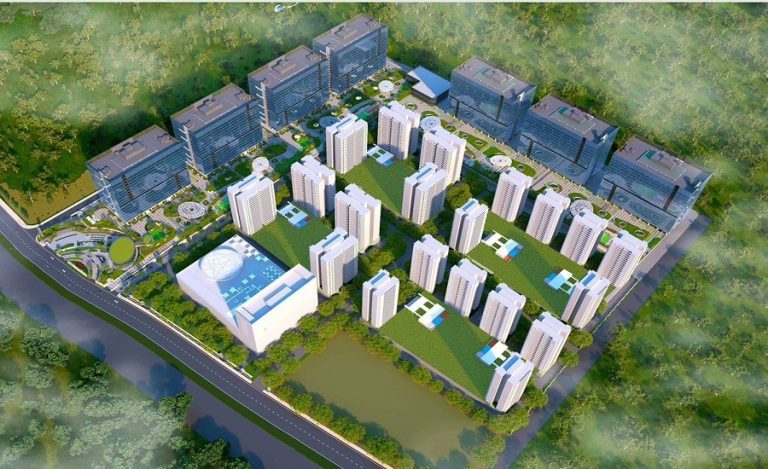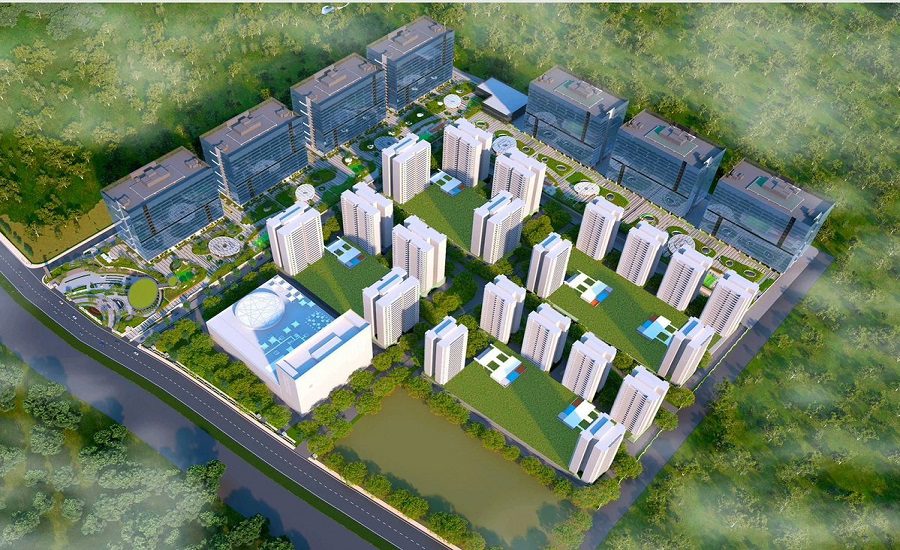
Ranchi: Jharkhand is redefining its urban landscape with the Smart Cities Mission, focusing on infrastructure improvement, governance, and liveability in its two key cities, Ranchi and Dhanbad. The initiative aims not only to modernize city assets but also to enhance everyday experiences for residents while boosting economic growth and real estate demand.
Smart Cities Mission Gains Momentum in Jharkhand
Launched in 2015, the Smart Cities Mission is India’s flagship program to create sustainable and citizen-friendly urban spaces. In Jharkhand, the mission emphasizes balanced growth with environmental concerns, addressing areas such as housing, roads, waste management, and digital services.
The approach combines area-based development (ABD) with pan-city initiatives, allowing for upgrades in existing zones while introducing modern systems across entire urban areas.
Read also: Jharkhand Govt Accelerates Development in Maoist-Free Areas with ₹5.28 Crore Budha Pahad Project
Ranchi Emerges as Smart City Leader
Ranchi has become the frontrunner in Jharkhand’s smart city push. The Ranchi Smart City Corporation is leading the development of a well-planned urban ecosystem. Key projects include:
- Integrated residential, commercial, and community spaces
- Modern housing and green parks
- Upgraded road networks and traffic management systems
- Digital governance platforms for civic services
These initiatives are enhancing urban organization and convenience, with a noticeable impact on real estate demand in planned areas offering better connectivity and amenities.
Dhanbad Shifts Beyond Industrial Identity
Traditionally India’s coal capital, Dhanbad is now focusing on improving liveability under the Smart Cities framework. Projects include:
- Modern waste management systems and water supply upgrades
- Enhanced public safety and surveillance infrastructure
- Smart street lighting and energy-efficient urban solutions
While the transformation is gradual, it is improving the city’s environment and attracting attention from residents and investors seeking cleaner, well-connected neighborhoods.
Key Features Driving Urban Transformation
Common interventions across both cities include:
- Development of affordable housing
- Upgraded transport and road infrastructure
- Implementation of digital platforms for governance
- Environmental sustainability measures, such as solar energy adoption and energy-efficient lighting
- Enhanced safety through surveillance systems and policing
These measures aim to create urban spaces that are functional, sustainable, and inclusive, setting a new benchmark for city planning in Jharkhand.
Challenges and Implementation Hurdles
Despite visible progress, the mission faces challenges:
- Land acquisition delays affecting certain projects
- Funding constraints slowing project timelines
- Environmental concerns in mining-heavy Dhanbad
- Limited citizen participation, which is still evolving
Authorities maintain that these issues are being addressed as part of the transition toward modern urban management.
Economic and Real Estate Impact
Smart city initiatives are generating broader economic benefits:
- Infrastructure upgrades attract investment and business opportunities
- Improved governance supports startups and small businesses
- Real estate markets in Ranchi and Dhanbad are seeing increased demand in well-planned areas
- Job creation in construction, services, and technology sectors is boosting local economic momentum
A Work in Progress
Jharkhand’s smart city journey is ongoing, but early results indicate a shift toward structured and sustainable growth. Ranchi and Dhanbad are moving beyond traditional identities to focus on liveability, efficiency, and economic development.
With continued execution and citizen engagement, these projects could serve as a model for other emerging states aiming to balance urban growth with environmental sustainability and quality of life.
Read also: Jharkhand Revives 35 km Water Pipeline Project to Supply 4 Lakh Homes in Ranchi and Chaibasa