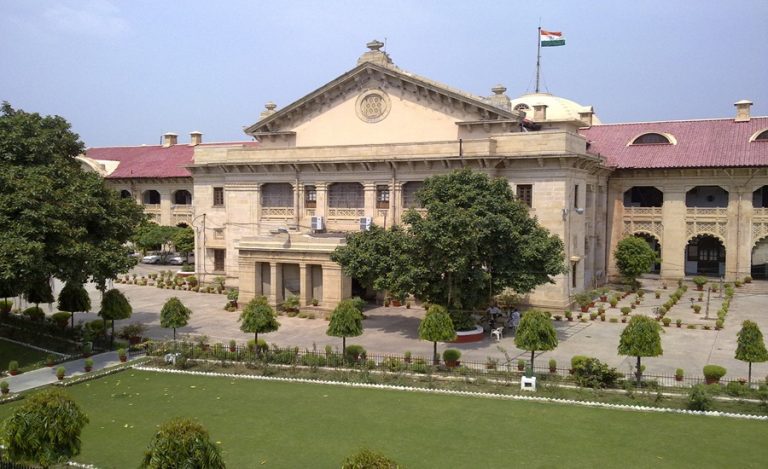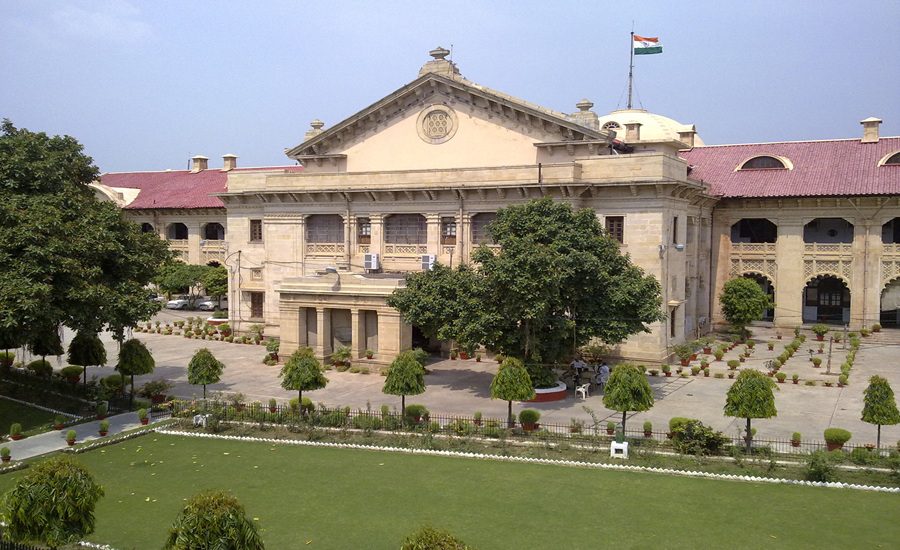
Lucknow: The Allahabad High Court has ordered the identification of dog-bite hotspots in Lucknow and Prayagraj to help prevent repeated attacks and improve public safety.
The Court has directed municipal authorities to inspect affected areas, examine complaints from the past three years, and take humane action against dogs found to have repeatedly attacked people or shown aggressive behaviour. The authorities must also inspect at least 30 additional public locations in each city within one month and submit reports explaining the action taken.
Details of Allahabad High Court Dog Bite Hotspot Check Ruling
A division bench of Justice Ajit Kumar and Justice Garima Prashad issued the directions on October 1, 2026, in a proceeding related to the implementation of the Supreme Court’s directions on stray dogs and dog-bite incidents.
Read also: Railway Safety vs Budget Cuts: Supreme Court Flags Serious Concerns Over Public Protection Measures
The Court decided to monitor the implementation of these measures directly in Lucknow and Prayagraj. It observed that official reports had described several administrative steps, but it was important to check whether those steps had actually been carried out on the ground. The matter is scheduled for its next hearing on November 5, 2026.
Authorities Must Identify Dog-Bite Hotspots
The Municipal Commissioners of Lucknow and Prayagraj have been directed to identify areas where dog-bite incidents have occurred repeatedly.
They must study records of reported dog bites from the previous three years, along with municipal complaints and veterinary records. The authorities must prepare a year-wise and area-wise report showing where incidents occurred and which locations have reported repeated or increasing cases. The report must also explain the steps already taken to address the problem.
Allahabad High Court Dog Bite Hotspot Check Ruling: At Least 30 Additional Locations Must Be Inspected
Apart from the areas identified through dog-bite records, the Court has directed the authorities to inspect at least 30 additional locations in each city. These locations may include:
- Large hospitals and healthcare centres
- Schools and educational institutions
- Railway stations
- Markets and public parks
- Roads, entrances and other busy public areas
The inspection exercise must be completed within one month. Municipal and veterinary officers must work together to inspect these locations and estimate the number of dogs present. They must also record the inspection date and explain the method used to estimate the numbers.
Humane Action Ordered Against Aggressive Dogs
The Court has directed officials to give priority to dogs verified to have repeatedly attacked people or displayed aggressive behaviour, particularly in areas with multiple complaints.
Authorities must document the action taken against such dogs over the previous three years, including available information about their capture, sterilisation and vaccination.
After capture, dogs must be taken to an identified Animal Birth Control (ABC) centre or another suitable veterinary facility. They must receive examination, treatment, sterilisation and vaccination, as appropriate to their medical condition.
Dogs showing aggressive behaviour or suspected of having rabies must be assessed separately and managed through suitable segregation or quarantine arrangements.
Officials Must Maintain Detailed Records
The Court has directed authorities to maintain clear records of the action taken against dogs identified during the exercise.
These records must include the location where each dog was identified, the reasons for its identification, the facility receiving the animal and the action taken.
The authorities must separately report removals carried out after the Court’s order. They must also explain the current placement or management of dogs associated with repeated attacks or aggressive behaviour.
The action plans must estimate how many dogs remain in each identified area and how many aggressive dogs are still awaiting action.
Court Seeks Details Of Staff And Facility Shortages
The Allahabad High Court has also asked the authorities to explain the problems affecting the implementation of existing measures.
These details must cover shortages of staff, inspection teams, trained personnel, equipment and other necessary resources. The authorities must also report any limitations involving ABC centre capacity, staff qualifications, further veterinary treatment and the lawful placement or release of dogs. They must explain what steps are proposed to prevent further incidents and improve safety around public and institutional premises.
Lucknow Municipal Commissioner Asked To Explain The Lucknow Model
The Lucknow Municipal Commissioner has been directed to submit a separate note explaining how the claimed “Lucknow model” works.
The note must describe the current role of the Jarhara training facility and provide verified results to support claims about the model’s success. The Commissioner must also identify practices that could be useful for other cities facing similar dog-bite problems.
Allahabad High Court Dog Bite Hotspot Check Ruling: District Officials Must Coordinate The Exercise
The Court has directed Chief Medical Officers, municipal and veterinary officers, institutional heads and designated nodal officers to assist in the exercise.
The concerned District Magistrates must coordinate the process and resolve difficulties faced by the departments. The Court has also asked the amicus curiae, a lawyer assisting the Court, to examine the reports and documents submitted by the authorities and help assess compliance with existing directions.
Measures Must Follow Supreme Court Directions And Animal Welfare Rules
The Court has clarified that all action must follow the Supreme Court’s directions, the Animal Birth Control Rules, 2023, and the applicable standard operating procedures issued by the Animal Welfare Board of India.
It also stated that the focused exercise in Lucknow and Prayagraj would not weaken or replace the ongoing requirement to comply with the Supreme Court’s directions across Uttar Pradesh. The Municipal Commissioners must submit compliance affidavits explaining the steps taken before the next hearing on November 5, 2026.
Read also: Public Safety at Risk: Supreme Court Slams States Over Ineffective Stray Dog Sterilisation
FAQs
The Court has directed each city to inspect at least 30 additional locations within one month. These may include hospitals, schools, railway stations, markets, parks and other busy public areas.
The Allahabad High Court has directed Lucknow and Prayagraj authorities to identify dog-bite hotspots, inspect public locations, maintain records and take humane action against dogs verified to have repeatedly attacked people or shown aggressive behaviour.
The next hearing is scheduled for November 5, 2026. The Municipal Commissioners of Lucknow and Prayagraj must submit compliance affidavits detailing the action taken before the hearing.