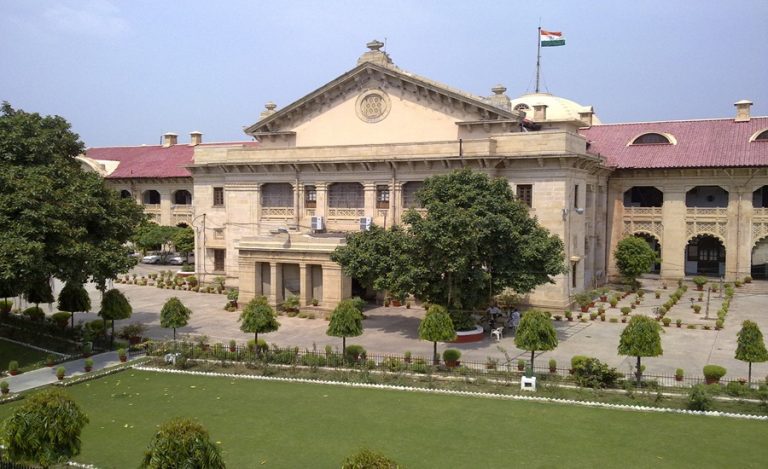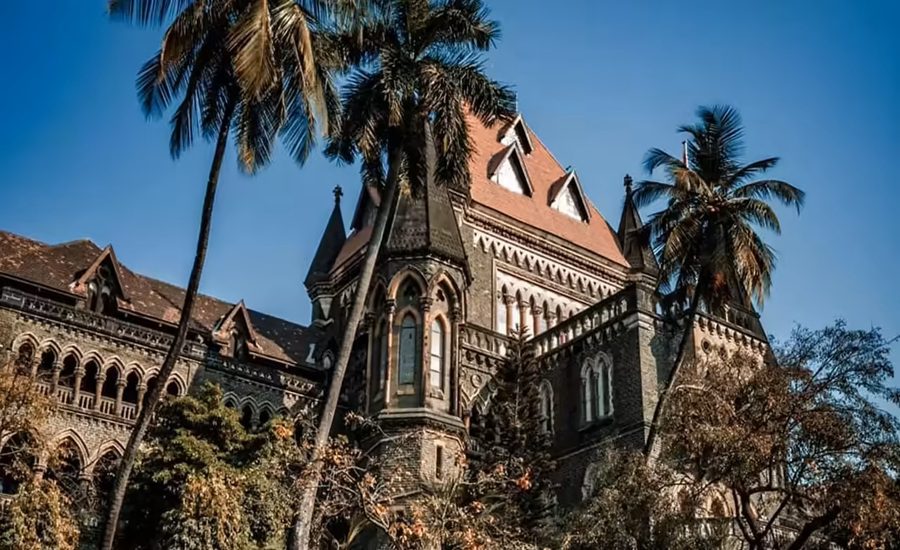
Maharashtra: The Bombay High Court has quashed a Customs Department order after concerns emerged that it relied on two non-existent Supreme Court judgments allegedly generated by Artificial Intelligence (AI).
The case involving Quanta Logistics highlights the risks of using unverified AI-generated legal information in official decisions. The Customs Department has agreed to reconsider the matter and issue a fresh order.
Bombay High Court Sets Aside Customs Department AI Judgements Case
On October 30, 2026, a Division Bench of the Bombay High Court, comprising Justice M.S. Karnik and Justice Sandesh D. Patil, set aside an order passed against Quanta Logistics Pvt. Ltd.
The original order was issued by the Commissioner of Customs (Import-I), Mumbai, on August 11, 2026.
The company challenged the decision through Writ Petition No. 5093 of 2026. It argued that the Customs authority had relied on Artificial Intelligence without properly checking the information or independently examining the matter.
Two Supreme Court Judgments Allegedly Did Not Exist
During the hearing, Senior Advocate Venkatesh Dhond, representing Quanta Logistics, raised serious concerns about two Supreme Court judgments mentioned in the Customs order.
According to the company, these judgments could not be found in any recognised legal database or law report. The company suspected that they were AI-generated false references, commonly known as AI hallucinations.
Quanta Logistics had also written to the Customs Commissioner on September 1, 2026, requesting copies of the two judgments. However, the department failed to provide the requested documents.
The company argued that this raised questions about the accuracy of the order and whether the authority had properly applied its own judgment.
Supreme Court’s Warning Against Fake AI Judgements Case
During the proceedings, Quanta Logistics referred to an important 2026 Supreme Court decision in Vijay Ghanshyam Gadiya v. Union of India and Another.
In that case, the Supreme Court had warned against using fake or unverified AI-generated judgments in legal proceedings.
The apex court adopted a zero-tolerance approach towards citing AI-generated legal precedents without proper verification.
It also made clear that lawyers and judges must check the authenticity of every judgment before relying on it.
The Supreme Court clarified that relying on fake AI-generated legal material can seriously affect the validity of a judicial decision. However, the warning was not against the use of AI itself. It focused on presenting false or unverified information as genuine legal authority.
Customs Department Agrees To Reconsider The Matter
During the Bombay High Court proceedings, Advocate Jitendra B. Mishra, representing the Customs Department and the Union of India, agreed that the disputed order could be cancelled and the matter reconsidered.
Following this agreement, the High Court quashed the Customs Department’s order dated August 11, 2026, with the consent of both parties.
The Court directed Quanta Logistics to appear before the Customs Commissioner on November 5, 2026, at 11:00 AM.
The authority was directed to schedule the next hearing and complete the fresh proceedings within eight weeks from November 5, 2026. The High Court subsequently disposed of the writ petition.
Why AI Judgements Case Matters For The Indian Legal System
This case highlights an important challenge arising from the growing use of Artificial Intelligence in legal and administrative work.
AI tools can help lawyers, judges and government officials research information, prepare documents and complete routine tasks more quickly. However, AI systems can sometimes produce incorrect information, fake case references or judgments that do not actually exist. This problem is commonly known as AI hallucination.
The Bombay High Court case reinforces the importance of checking legal information before using it in official decisions.
It also highlights an important principle: Artificial Intelligence can support human decision-making, but it cannot replace independent legal judgment.
Read also: Big Statement of CJI Surya Kant on Artificial Intelligence: AI Can Never Replace Human Mediators
FAQs
AI hallucination occurs when an Artificial Intelligence tool generates incorrect information, fake legal citations or non-existent court judgments and presents them as genuine. Such information must be verified before being used in legal proceedings.
The Bombay High Court quashed the order after Quanta Logistics raised concerns about two Supreme Court judgments cited in it that allegedly did not exist. The Customs Department agreed to reconsider the matter, and the order was set aside by consent.
In Vijay Ghanshyam Gadiya v. Union of India (2026), the Supreme Court emphasised a zero-tolerance approach towards unverified AI-generated legal precedents. It clarified that AI can assist legal decision-making but cannot replace independent judicial judgment.