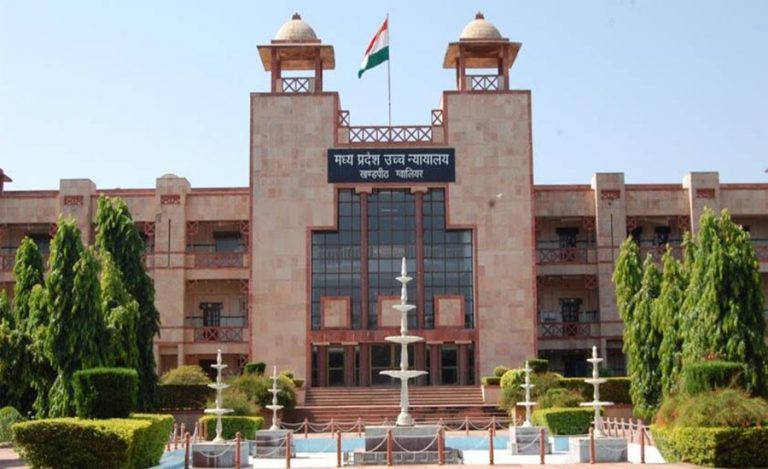
Lucknow: The Fertilizer control order 1985 came under judicial scrutiny after the Allahabad High Court ruled that a District Magistrate (DM) does not have statutory authority to supervise fertilizer distribution within a district.
The court made the observation while hearing a petition related to the supply of Diammonium Phosphate (DAP) fertilizer in Uttar Pradesh. The judgment clarifies the legal powers of district authorities and reinforces that administrative directions cannot override statutory provisions.
What Is The Case About
The case was filed by Marihan Agro Farmer Producer Company Limited in Mirzapur, Uttar Pradesh. The petitioner claimed it had demanded 100 tonnes of DAP fertilizer for the Kharif season but received only 45 tonnes.
Read also: Justice Siddharth Mridul Controversy: How an LPG Dealership Sparked Questions Over Judicial Ethics
The company argued that the shortage could negatively affect agricultural production and sought court intervention. The matter reached the Allahabad High Court, where the role and powers of the District Magistrate under the Fertilizer Control Order, 1985 became a key issue.
Fertilizer Control Order 1985: What Did The Allahabad High Court Say
A bench comprising Justice JJ Munir and Justice Indrajeet Shukla observed that the District Magistrate is not vested with supervisory authority over fertilizer distribution under the Fertilizer Control Order, 1985.
The court noted that the DM himself admitted that no specific statutory provision under the Fertilizer Control Order authorizes him to direct the Deputy Director of Agriculture regarding fertilizer distribution.
Administrative Directions Cannot Override Law
The District Magistrate referred to administrative communications issued by the Principal Secretary, Agriculture Department, which created district-level committees headed by DMs for monitoring fertilizer availability. However, the High Court held that such communications could not be treated as valid government orders granting statutory powers under the Fertilizer Control Order. The court found that these directions were not issued through the legal mechanism required by the law.
Why Is The Fertilizer Control Order 1985 Important
The ruling clearly distinguishes between administrative coordination and statutory authority. The court emphasized that public officials can exercise only those powers that are specifically granted by law. Administrative instructions cannot create new legal powers where none exist.
Strengthens Rule Of Law
The judgment reinforces the principle that executive actions must remain within the framework established by legislation. This decision could serve as an important reference in future disputes involving administrative powers and regulatory control over essential commodities.
Fertilizer Control Order 1985: Court’s View On Public Complaints
The bench also discussed the common practice of citizens approaching District Magistrates with complaints related to other government departments. The court observed that instead of forwarding such complaints, a better approach would be to return them with guidance directing the complainant to the appropriate authority. According to the court, this would prevent the impression that the DM exercises supervisory control over every department.
Relief Granted By The Court
After examining the petitioner’s grievance, the High Court found that a prima facie case existed regarding the shortage of DAP fertilizer supply. The court issued an interim direction to the Deputy Director of Agriculture and the District Agriculture Officer, Mirzapur, to ensure the supply of the remaining quantity of fertilizer after adjusting the amount already provided or explain the reasons through an affidavit.
The respondents were granted time to file their counter affidavit, and the matter was scheduled for further hearing.
What Is The Fertilizer Control Order 1985
The Fertilizer Control Order (FCO), 1985 was issued under the Essential Commodities Act to regulate the manufacture, sale, distribution, quality, and pricing of fertilizers in India. Its objective is to ensure farmers receive quality fertilizers and maintain fair distribution across the country.
Importance of Fertilizer Control Order 1985 For Farmers
The FCO plays a critical role in India’s agricultural sector by setting standards for fertilizer production and distribution. It helps prevent shortages, ensures quality control, and protects farmers from unfair trade practices.
Read also: Allahabad High Court Takes Strong Stand, Summons UP DGP Over Police Inaction
FAQs
The Allahabad High Court ruled that a District Magistrate does not have statutory power under the Fertilizer Control Order, 1985 to supervise fertilizer distribution.
The case was filed by Marihan Agro Farmer Producer Company Limited, which alleged it received only 45 tonnes of DAP fertilizer against its demand of 100 tonnes.
The Fertilizer Control Order, 1985 is a regulatory framework issued under the Essential Commodities Act to govern the quality, sale, distribution, and pricing of fertilizers in India.