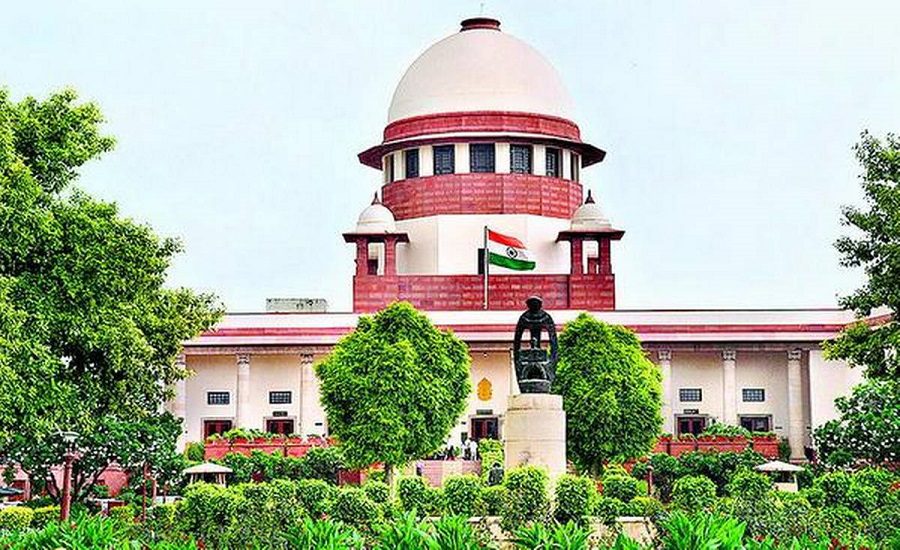
New Delhi: The Supreme Court has issued a series of directions to strengthen the enforcement of the dowry prohibition act, ensure faster disposal of cases, improve public awareness, and monitor the functioning of authorities responsible for implementing anti-dowry laws. The directions were issued while reviewing compliance with an earlier judgment in a dowry-related matter.
The Court emphasized that despite existing laws, dowry remains deeply rooted in society and stronger action is needed from governments, courts, law enforcement agencies, and civil society organizations.
Why Did The Supreme Court Issue Supreme Court Dowry Law Directions
A Bench comprising Justice Sanjay Karol and Justice Augustine George Masih issued the directions on August 20, 2026. The Court was reviewing compliance with its earlier judgment in State of Uttar Pradesh v. Ajmal Beg and examined whether authorities across the country were effectively implementing anti-dowry laws.
Read also: Thousands Of Law Graduates Get A Second Chance After Supreme Court’s Landmark Order
The judges expressed concern that many people involved in giving and taking dowry continue to escape punishment because of weak enforcement and delays in the justice system.
Supreme Court Dowry Law Directions: Key Directions Issued By The Supreme Court
The Supreme Court issued several important directions aimed at improving enforcement and reducing delays in dowry-related cases.
Priority Treatment For Dowry Cases
The Court directed that cases involving dowry death and dowry harassment should receive priority treatment. These include cases under Section 304-B and Section 498-A of the Indian Penal Code (IPC), as well as corresponding provisions under the Bharatiya Nyaya Sanhita (BNS), 2023.
Speedy Disposal Of Pending Cases
Courts across the country have been asked to make efforts to dispose of long-pending dowry-related cases quickly without affecting other judicial work. The objective is to ensure timely justice for victims and their families.
Effective Functioning Of Dowry Prohibition Officers
The Supreme Court stressed the importance of Dowry Prohibition Officers. States and Union Territories have been directed to ensure that these officers function effectively and carry out their responsibilities under the Dowry Prohibition Act, 1961.
Supreme Court Dowry Law Directions: High Courts And States Must Submit Regular Reports
One of the most significant directions relates to monitoring compliance. The Court directed all High Courts and States/Union Territories to submit status and compliance reports every year on January 15, May 15, and September 15 until there is a substantial reduction in pending dowry-related cases.
What Will These Reports Include
The reports must contain:
- Number of pending and disposed cases.
- Stage-wise status of cases.
- Public awareness initiatives.
- Information about Dowry Prohibition Officers.
- Training programs conducted by authorities.
- Measures taken to implement Supreme Court directions.
Supreme Court Calls For Greater Public Awareness
The Court observed that legal reforms alone cannot eliminate the dowry system. It highlighted the need for awareness campaigns and social education programs to change public attitudes toward dowry and promote lawful marriages.
Dowry Remains A Social Challenge
According to the Court, dowry practices continue because they are deeply embedded in parts of society. The judges noted that meaningful change requires coordinated efforts from lawmakers, courts, police authorities, educational institutions, and community organizations.
Importance Of The Dowry Prohibition Act
The Dowry Prohibition Act, 1961 was enacted to prohibit the giving and taking of dowry in India. Over the years, additional legal provisions were introduced to address dowry harassment and dowry deaths. However, enforcement challenges and delays in trials have remained major concerns.
Read also: Insurance Fraud Case: Supreme Court Directs States To Probe Suspicious Accident Claims
FAQs
The Court found that many dowry-related offences are not being effectively prosecuted and that delays in trials continue to affect justice delivery.
The Supreme Court has directed stricter enforcement of dowry laws, priority treatment of dowry cases, effective functioning of Dowry Prohibition Officers, regular compliance reporting, and speedy disposal of pending cases.
States, Union Territories, and High Courts must submit compliance reports three times every year—on January 15, May 15, and September 15.