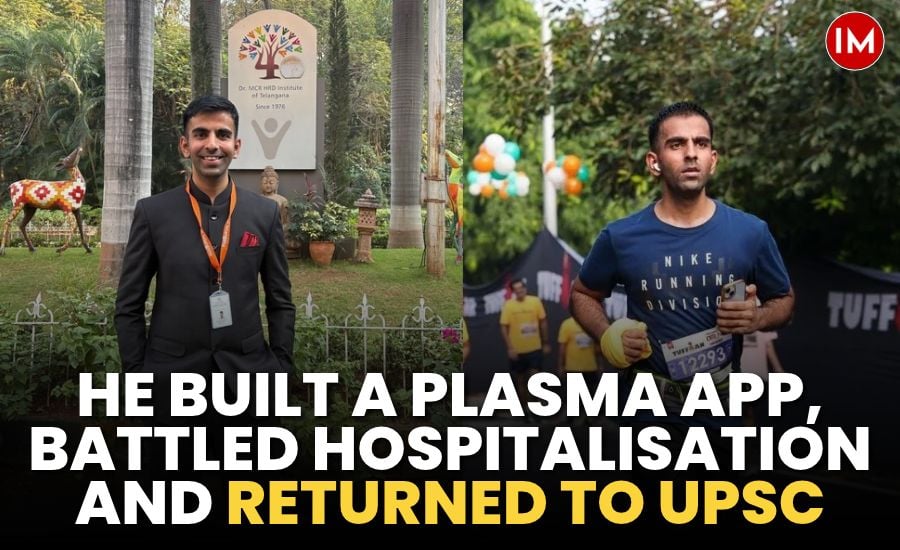
For Tushar Chaudhary, a ₹25 LPA job at Intel was a strong beginning, but it did not feel like the destination.
He had entered the technology sector, yet over time, he wanted his engineering background to be combined with leadership and public impact.
“I realised I wanted to be driven by a higher purpose and grow into a leadership role. Public service seemed like the right fit. I also did not want to leave engineering behind to enter the services,” he shared with Indian Masterminds.
That search eventually took him towards UPSC Engineering Services Examination (ESE) and, later, IRMS, where he saw an opportunity to combine technology, infrastructure, management and public impact.
From Small Cities to Public Service
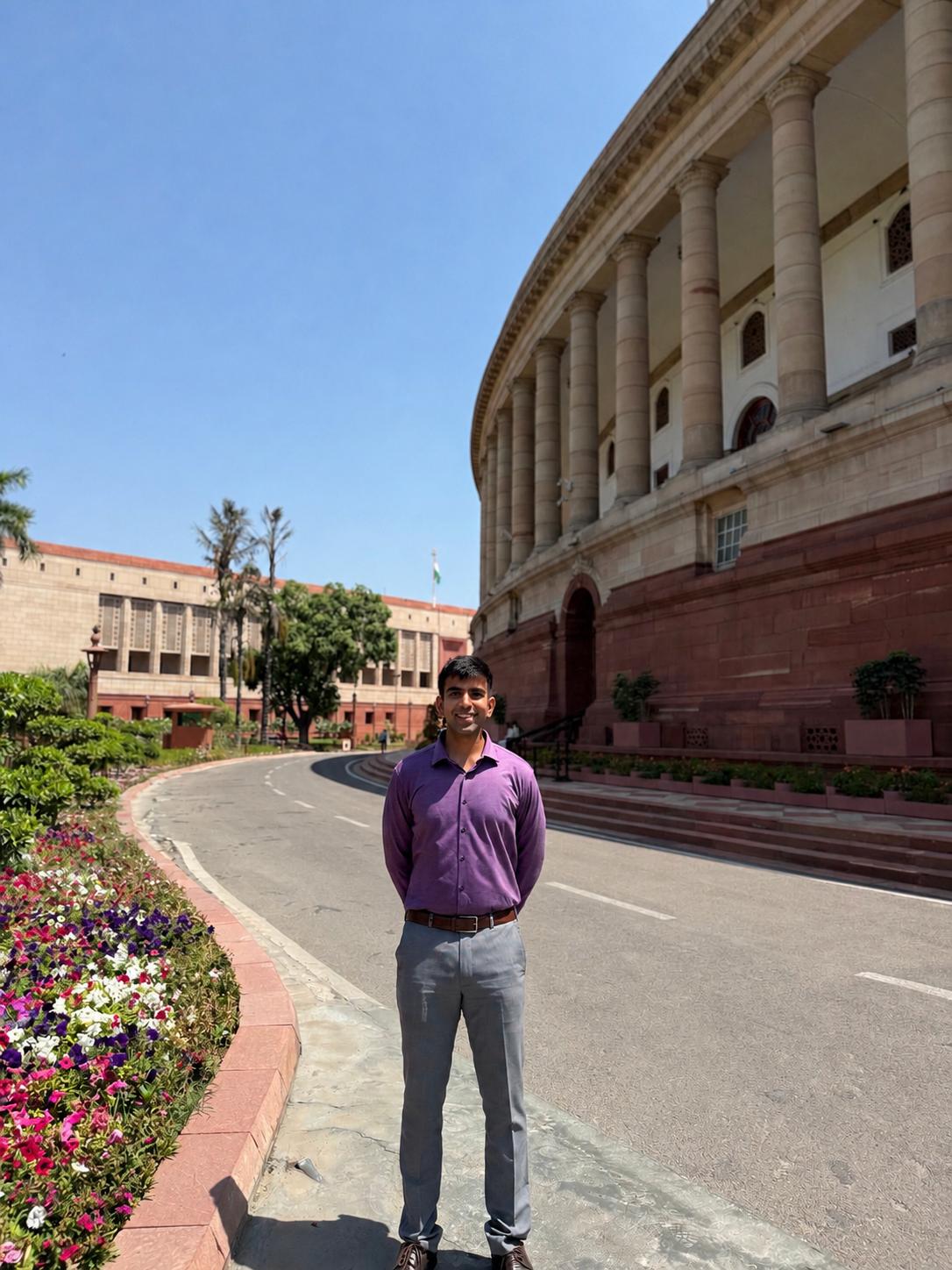
Growing up across Meerut, Bijnor, Muzaffarnagar and Ghaziabad, Tushar moved through different environments and met people from varied backgrounds.
He believes the experience taught him to adapt quickly and remain grounded.
“Small cities keep you grounded and humble, and perhaps a little less materialistic than big cities,” he says.
That adaptability would later become useful as his career moved from technology to government service and competitive examinations.
His first phase of UPSC preparation was, like it is for many aspirants, confusing. He found himself dealing with a large volume of study material and gradually realised that the examination itself needed to guide his preparation.
“In those days, PYQs are your compass. Go through PYQs first and only then read the content, be it from coaching or self-study,” he says.
COVID, COPAL-19 and ESE Success
The COVID-19 pandemic brought another dimension to his journey.
Families were struggling to find plasma donors for critically ill patients, even as doctors tried to coordinate help. Tushar and his team responded by creating COPAL-19, a technology platform designed to connect plasma donors with people who urgently needed them.
“The idea came from a very real problem. Families were struggling to find suitable plasma donors even when doctors were trying to help. We realised technology could reduce that gap,” he recalls.
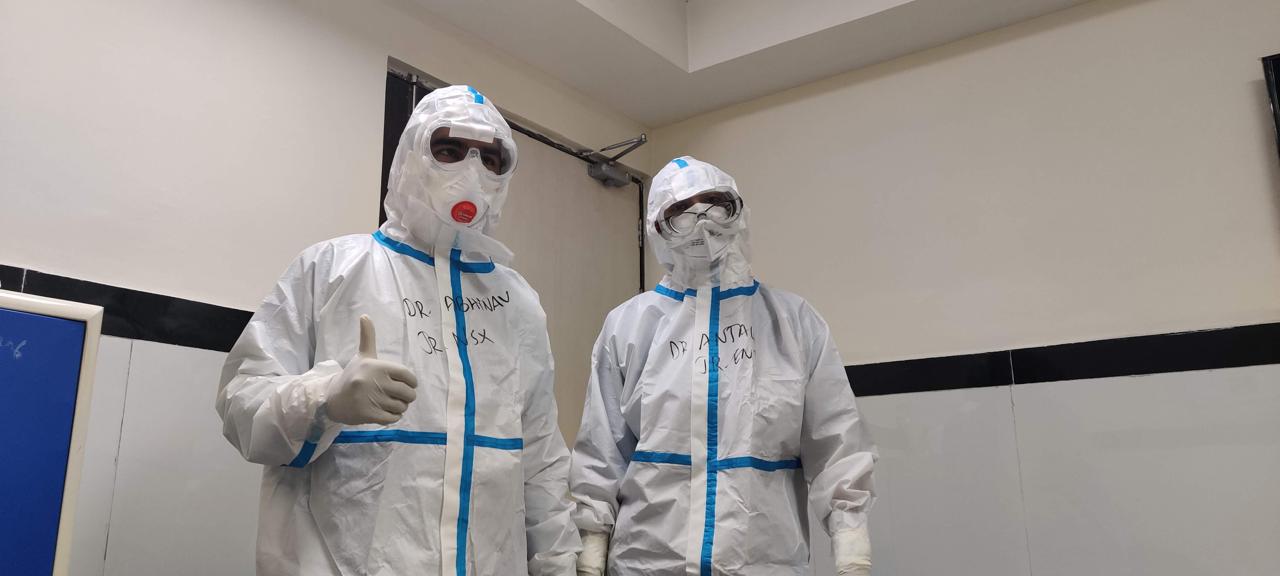
The initiative also brought together support from different sections of society.
“I am grateful that we received great support from all pillars of society back then,” he says.
Amid the uncertainty of the pandemic, Chaudhary also secured AIR 32 in ESE 2021 and AIR 9 in GATE.
He later joined the Ministry of Defence, an experience he remembers as an important learning phase. Working alongside members of the armed forces and civilian professionals gave him exposure to a different side of public service.
The AIIMS Phase That Changed His Perspective
One of the most difficult periods came when Tushar was hospitalised at AIIMS for nearly a quarter of a year.
At that point, studying was no longer about completing a target. Survival came first.
He studied whenever his health allowed, sometimes managing only a few pages. Yet those small efforts gave him continuity.
“Continuity → Progress → Confidence!” he says.
The experience also changed the way he looked at time.
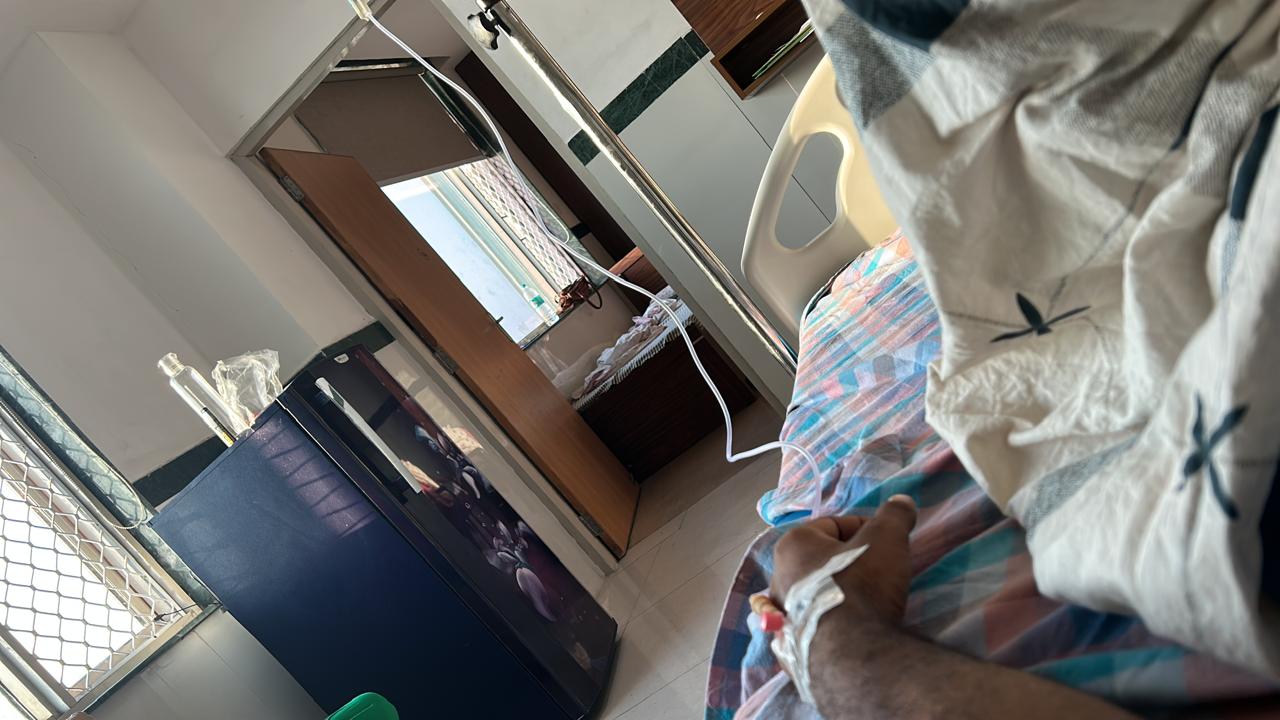
Having spent much of his life rushing between goals and responsibilities, being confined to a hospital bed forced him to slow down and notice ordinary things differently.
“When was the last time you stopped and looked at the sky, the trees, and people? You do it when you are lying in a hospital bed and thinking, What if these are the last few days of my life?” he reflects.
After leaving the hospital, he began rebuilding his routine gradually. Reading became an important part of that process, while social media increasingly felt less relevant.
He describes that period as a phase of inward growth and a search for renewed purpose.
Running as a Catalyst
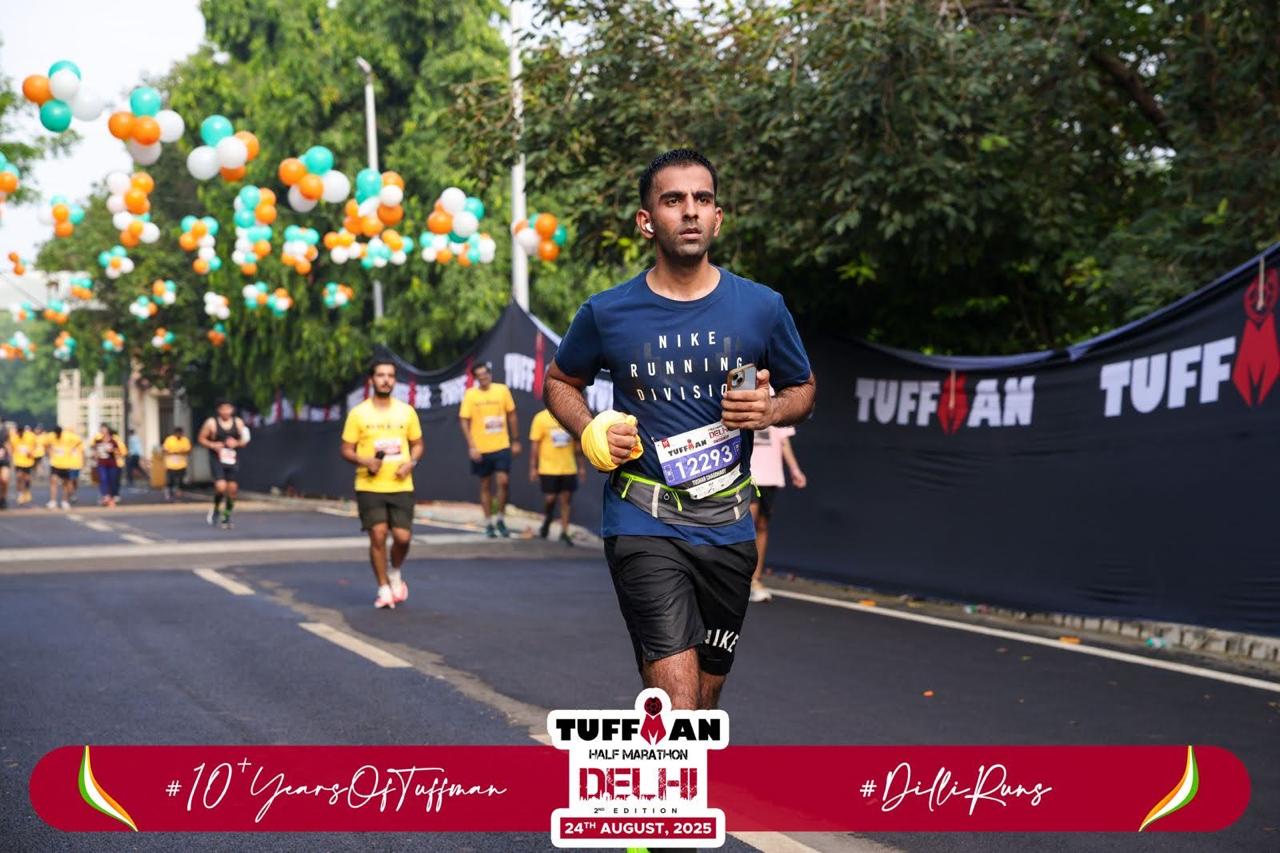
Running and half marathons also became an important part of Tushar’s routine, helping him stay physically healthy and emotionally balanced during a demanding phase of life.
For him, long runs often became meditative. They taught him to find beauty in monotony—something he feels applies equally to UPSC preparation, where much of the journey involves doing repetitive work without immediate results.
Running also taught him to handle both physical and mental challenges. The same mindset helped him during difficult phases of preparation, particularly when motivation was low or progress felt slow.
He also believes aspirants should not treat exercise as time taken away from studying. In his experience, working out improved his mood, energy and productivity.
“One should not skip working out thinking it will reduce the time available for preparation. It can actually be a catalyst for better mood and productivity.”
Returning to UPSC While Working
The next major opportunity came with the 2024 IRMS notification, which provided for recruitment through both UPSC CSE and UPSC ESE.
For Tushar Chaudhary, it was an opportunity worth pursuing.
By then, he was already working as an officer. Preparing again meant fitting study around professional responsibilities rather than putting work aside.
He estimates that he studied around 7–8 hours on most days—two to three hours in the morning, around two hours during the day and another three hours in the evening.
“I struggled a lot with timetables, not going to lie. So I just took life one week at a time,” he says.
AIR 4 and a Full-Circle Moment
When the UPSC ESE 2025 result was released, Tushar was playing football with friends.
One of them suddenly announced that the result had arrived.
He checked it. His first reaction was silence. Then he checked again. The rank was 4.
For him, the number represented far more than an examination result.
“Rank 4 represented much more than a rank for me, leaving Intel, working in the Ministry of Defence, hospitalisations, restarting, half marathons, and preparing alongside the office. It felt like a full-circle learning experience,” he says.
Why IRMS?
For Tushar Chaudhary, IRMS offers the combination he had been looking for from the beginning.
The unified Group ‘A’ cadre brings together railway services under a common management structure, with recruitment through UPSC CSE and ESE. For technical officers, it offers the opportunity to work in railway engineering while also moving into management, policy execution and leadership roles.
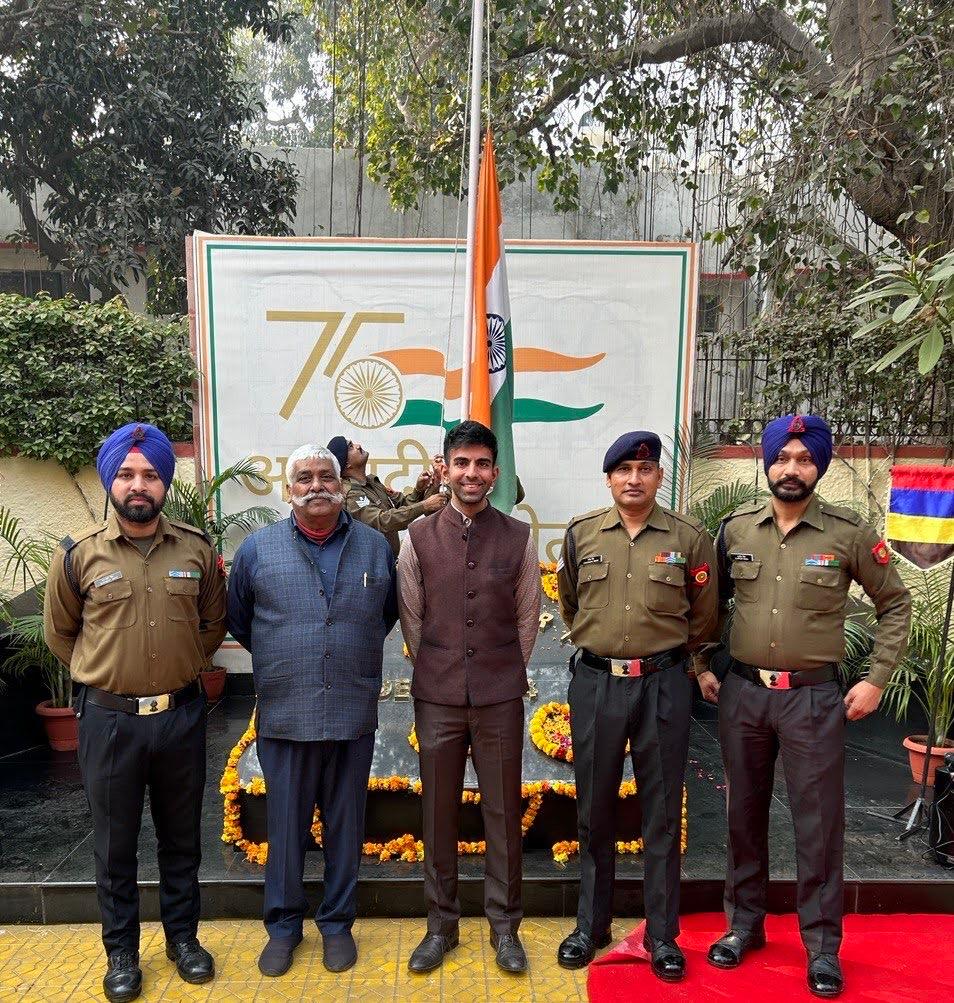
He is particularly interested in the breadth of opportunities—from core railway engineering and Railway PSUs to the Railway Board, deputation opportunities, international assignments and higher studies.
At the same time, Indian Railways is undergoing significant technological and infrastructure changes, including Vande Bharat, electrification and modern mobility projects.
His Message to UPSC Aspirants
After multiple examinations, professional responsibilities and an unexpected health setback, Tushar’s advice to aspirants centres on how they approach failure.
“The commonality between success and failure is that both involve failing many times. The difference is that one fails on exam day, while the other chooses to fail earlier, in mock tests, practice sessions and previous attempts, learns from those mistakes, and improves.”
His message is straightforward: use mock tests and practice to make mistakes before the actual examination, understand them, and improve.
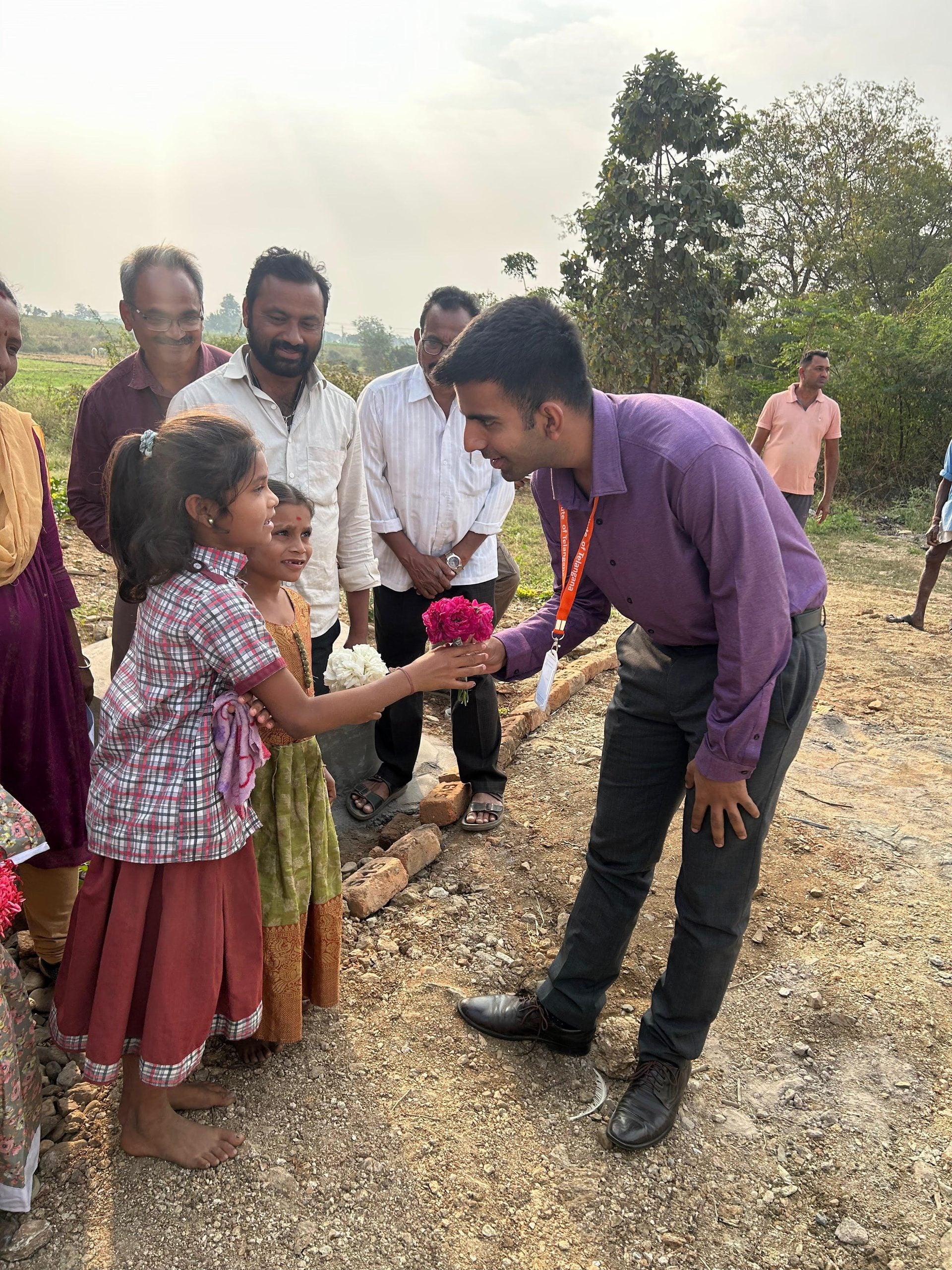
For Tushar Chaudhary, the journey from a corporate technology job to AIR 4 in UPSC ESE 2025 and IRMS was not a straight line. It involved changing priorities, public service, illness, restarting and preparing while working.
And perhaps that is what makes his journey particularly relevant for aspirants: the path can change several times, but preparation can continue as long as the purpose remains clear.