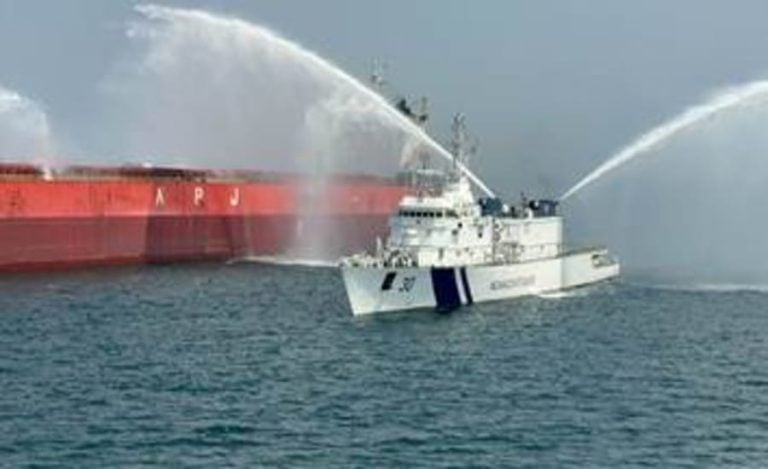
Bhubaneswar: The Indian Coast Guard conducted the 12th National Maritime Search and Rescue Exercise (SAREX-2026) off the Paradip coast in Odisha on October 8, bringing together maritime and aviation agencies to test their readiness for large-scale rescue operations at sea.
Conducted under the aegis of the National Maritime Search and Rescue Board (NMSARB), the exercise focused on the theme “Leveraging Technology to Strengthen SAR Preparedness and Maritime Safety.” The drill aimed to strengthen coordination, interoperability and response capabilities during complex maritime emergencies.
228-Person Rescue Scenario
The exercise simulated a major mass-rescue emergency involving both aviation and maritime distress.
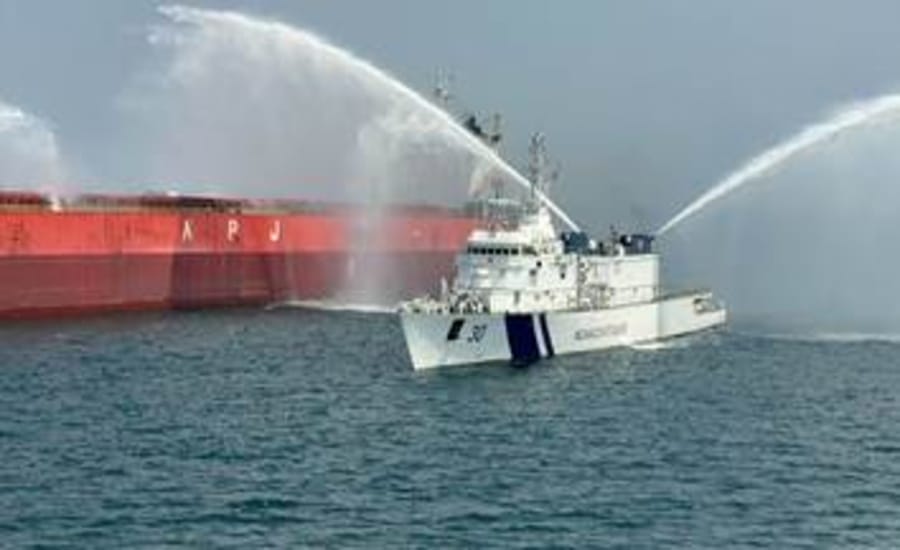
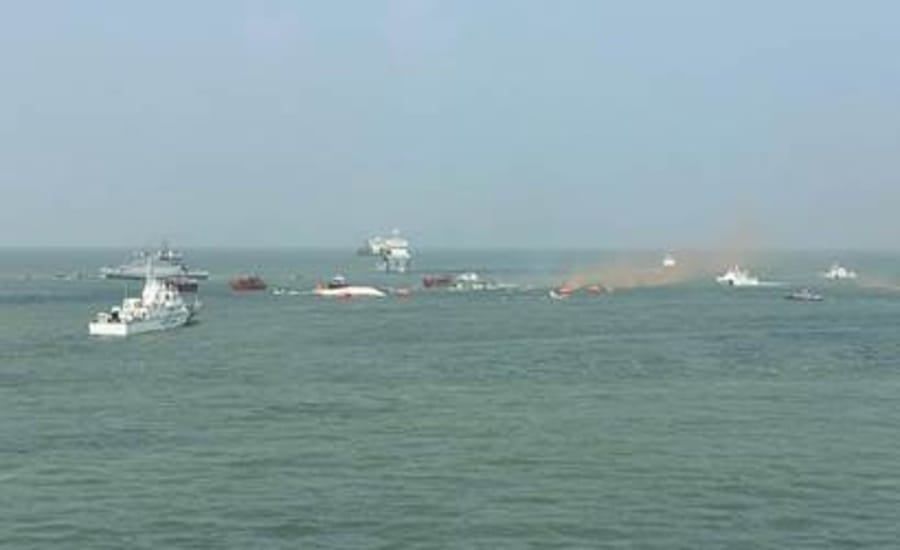
As part of the scenario, a passenger aircraft carrying 228 people ditched at sea near Paradip Port. The aircraft’s fuselage struck the container vessel MV Zumba, causing structural damage and fire.
The simulated emergency triggered a coordinated response involving:
- Activation of an Incident Command Post
- Firefighting and emergency response operations
- Helicopter evacuation of survivors
- Deployment of life rafts and air-droppable life rafts
- Jason Cradle and Gemini recovery systems
- Rescue basket and scramble net operations
- Remotely Operated Vehicle (ROV) capability demonstration
The exercise tested how quickly different agencies could work together to locate, recover and evacuate people during a high-pressure maritime disaster.
Read also: Shangri-La Dialogue 2026: India Expands Strategic Defence Partnerships With New Zealand, Singapore
Coast Guard, Navy, Air Force Join Drill
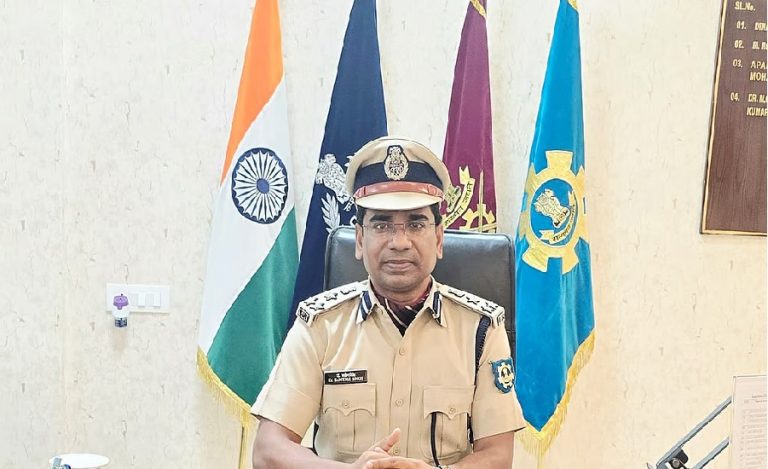
The exercise was reviewed by Director General Paramesh Sivamani, DG, Indian Coast Guard. A wide range of national and state agencies participated, including the Coast Guard, Indian Navy, Indian Air Force, Directorate General of Shipping, Shipping Corporation of India, Fisheries, Customs, Marine Police, Paradip Port Authority and Odisha administration.
The assets deployed included 15 Coast Guard ships, three Dornier aircraft, three Advanced Light Helicopters, one Chetak helicopter, IAF C-130J and Mi-17 aircraft, and two Indian Navy ships, along with civil and state resources and shore-based support units.
The scale of the exercise provided an opportunity to assess communication, rescue coordination and the ability of different agencies to respond as a unified force.
30 Countries Participate
SAREX-2026 also had a strong international component, with 32 observers from 30 countries participating in the exercise.
Their presence enabled participating countries to exchange operational practices and learn from each other’s maritime Search and Rescue systems. It also strengthened international interoperability and highlighted India’s growing role in regional maritime safety cooperation.
Technology at the Centre of Maritime Safety
The exercise demonstrated how modern technology and specialised rescue equipment can support faster responses during emergencies at sea.
From helicopters and air-droppable life rafts to ROVs and specialised recovery systems, the drill showcased multiple capabilities required for complex rescue missions involving large numbers of people.
The exercise also reinforced the importance of seamless coordination between agencies, particularly when an emergency involves both aviation and maritime assets.
Strengthening India’s Maritime Rescue Framework
SAREX-2026 underlined India’s focus on building a faster, technology-enabled and coordinated maritime Search and Rescue framework.
The exercise was conducted in line with the vision of SAGAR and the spirit of MAHASAGAR, with the larger objective of ensuring that distress situations at sea receive a rapid and coordinated response.
For Odisha and India’s wider maritime sector, such exercises are important as they improve preparedness for accidents involving passenger vessels, aircraft, cargo ships and other marine assets. Regular multi-agency drills also help strengthen coordination before a real emergency occurs.