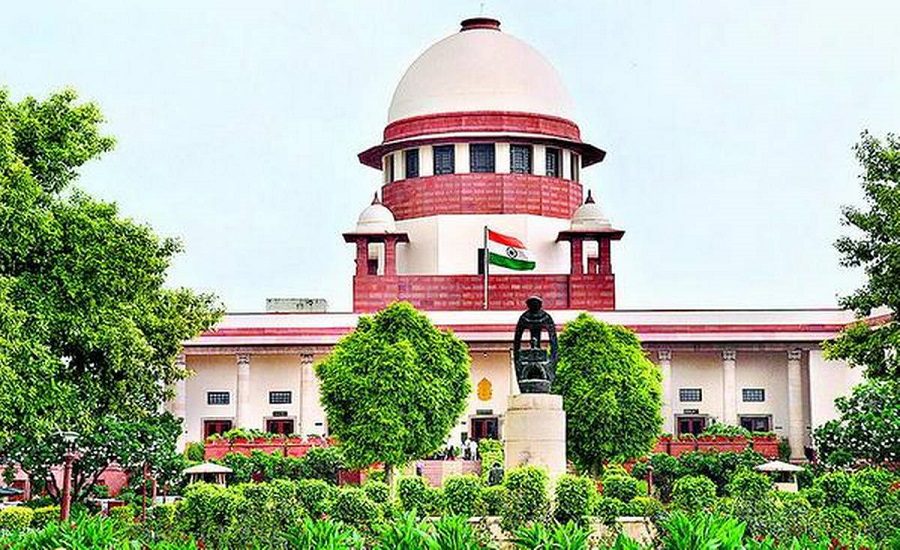
New Delhi: The Golden Hour became the central issue in a recent Supreme Court judgment in the Kusumavati Gowda v. Government of Karnataka case. The Court highlighted serious failures in the criminal investigation process and ordered a fresh probe. The judgment stressed that a fair investigation is part of the fundamental right to life and liberty under Article 21 of the Constitution.
The case has drawn national attention because it involves the rape and murder of a 17-year-old girl, alleged investigative lapses, and the Supreme Court’s decision to order a de novo investigation by a Special Investigation Team (SIT).
What Is The Kusumavati Gowda Case
The case relates to the rape and murder of a 17-year-old girl in Karnataka. Over the years, multiple agencies investigated the crime. However, serious questions were raised about how evidence was collected, preserved, and examined. The victim’s family repeatedly approached the courts seeking justice and a proper investigation.
Read also: Inside The Supreme Court Order That Put The KPSC Recruitment Probe On Hold
According to the Supreme Court, the truth may not have been fully uncovered because of major shortcomings in the earlier probes.
Supreme Court Orders Fresh Investigation in Kusumavati Gowda Case
The Supreme Court directed a de novo investigation, which means a completely fresh investigation from the beginning. The Court also constituted a Special Investigation Team (SIT) to conduct the probe independently.
Importantly, officers from agencies that had previously investigated the matter were excluded from the new investigation team. The Court aimed to ensure transparency, fairness, and public confidence in the justice system.
Why Did The Supreme Court Intervene in Kusumavati Gowda Case
The Court found several serious issues in the investigation process.
Missing And Damaged Evidence
According to the judgment, important evidence was either not collected or not properly preserved. Some key concerns included:
- Vaginal swab samples became unsuitable for DNA testing.
- CCTV footage from the hospital area was not collected.
- The victim’s umbrella, slippers, and innerwear were not recovered.
- A note found at the scene was not sent for handwriting examination.
- The crime scene and post-mortem process were not properly videographed.
The Court observed that these failures affected the search for truth.
The Golden Hour And Article 21
The “golden hour” refers to the first few hours after a crime takes place. This period is extremely important because evidence is fresh and witnesses can be identified quickly. The Supreme Court emphasized that preserving evidence during this period is critical for justice.
Fair Investigation Is A Fundamental Right
The Court stated that a fair investigation is an essential part of Article 21. Without a proper investigation, a fair trial becomes impossible. The judgment stressed that justice cannot be achieved if evidence is lost or ignored during the earliest stages of a case.
Protection Of The Acquitted Accused
The Court also protected the rights of the accused. An individual who had already been acquitted could not be subjected to double jeopardy.
The Supreme Court clarified that while a fresh investigation is necessary, constitutional protections for acquitted persons must continue to be respected. This balance between victims’ rights and accused persons’ rights was a key part of the judgment.
Concerns About Investigative Agencies
The judgment raised broader concerns about the functioning of investigative agencies. The Court noted that investigations can be affected by delays, poor evidence handling, and institutional failures. The ruling highlighted the need for professional, independent, and accountable investigations.
Impact On India’s Criminal Justice System
Legal experts believe the judgment could influence future criminal investigations across India. The decision reinforces the principle that justice depends not only on punishment but also on a fair and competent investigation.
The Supreme Court’s observations may encourage reforms in evidence collection, witness protection, forensic systems, and police accountability.
Reforms Suggested By The Judgment
The issues discussed in the judgment point toward several reforms:
Stronger Witness Protection
Witnesses should receive better protection and support.
Better Forensic Infrastructure
Every district should have access to modern forensic facilities.
Police Accountability
Investigations should be insulated from outside influence and political pressure.
Victim-Centric Justice
Victims and their families should have a stronger voice during criminal proceedings.
Read also: This Supreme Court Observation Could Redefine How Public Office Is Viewed In India
FAQs
The golden hour refers to the crucial first few hours after a crime when evidence collection and witness identification are most important.
The Supreme Court ordered a de novo investigation and formed a Special Investigation Team (SIT) to conduct a fresh and independent probe into the case.
The Supreme Court held that a fair investigation is part of Article 21, which guarantees the right to life and personal liberty under the Constitution.