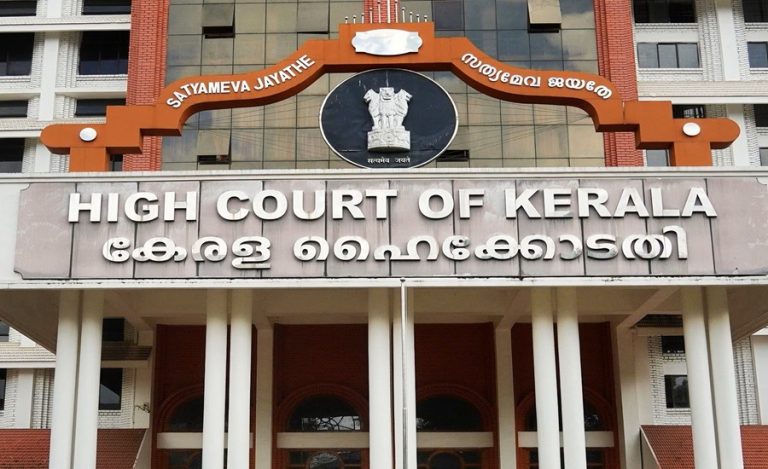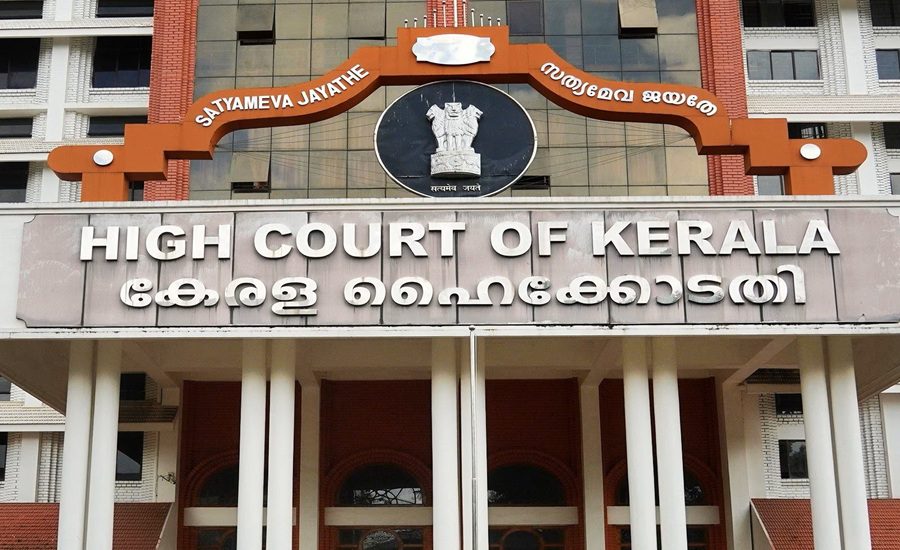
Thiruvananthapuram: The Kerala High Court internship policy 2026 has been amended, allowing only law students in the final two years of their course to apply for regular internships at the High Court. The revised policy was notified on October 17, 2026.
The new rules introduce changes to internship eligibility, applications, attendance, entry passes and student conduct. However, judges can still allow students outside this eligibility limit to intern with them at their discretion.
Details of Kerala High Court Internship 2026
The Kerala High Court has introduced new rules to manage internships and improve discipline within its premises.
Read also: SC Stay on Delhi HC Low Attendance Verdict: What It Means for Law Students in India
The amended policy, titled Internship Policy for the High Court of Kerala-2026 (Amended), replaces the earlier policy that came into effect on July 1, 2026.
According to Clause 6(a), only students in the last two years of their law courses are eligible for internships at the High Court.
This means students in the earlier years of their law courses cannot apply through the regular internship process. However, Clause 6(b) provides an exception. Individual judges can allow students to intern with them at their own discretion.
Who Can Apply For Kerala High Court Internship 2026
The revised policy mainly covers law students who want to gain practical experience at the Kerala High Court. Eligible students can apply for internships under High Court judges, different court sections and several legal offices. These include:
- Office of the Advocate General
- Office of the Additional Solicitor General
- Directorate of Prosecution
- Office of the Deputy Solicitor General
- Kerala State Legal Services Authority
- Mediation Centre
- Bar Council of Kerala
- Other advocates covered by the policy
Students must follow the prescribed application process to be considered for an internship.
How Can Law Students Apply For An Internship
The Kerala High Court plans to introduce an online application module for internships. The system will help manage applications, internship permissions and other related procedures.
Until the online module becomes operational, the existing application process will continue. Students must submit their applications through the principal or head of their educational institution. Applications that are incomplete or not submitted through the proper channel will not be considered.
Internship Under High Court Judges
Students who want to intern under a particular judge must obtain the judge’s consent. The application will be processed only after permission is received through the judge’s Private Secretary.
This means that submitting an application does not automatically guarantee an internship. The High Court’s Public Relations Officer (PRO) will oversee the internship programme and manage important details.
These include processing applications, maintaining attendance records and issuing entry passes. The number of interns allowed in each court will also be decided by the Registrar General.
Kerala High Court Internship 2026: High Court Introduces Strict Attendance Rules
The amended policy makes physical attendance an important part of the internship programme. Interns must record their attendance every day.
They are also required to attend a briefing before starting their internship. Only the days on which students are physically present at the High Court will count towards their internship period.
This means that holidays, absences and other days when students are not physically present will not be counted for internship certificates. The policy aims to ensure that internship certificates reflect the actual period of training completed by students.
New Rules For Law Interns Inside Courtrooms
The Kerala High Court has also introduced rules to maintain discipline and protect the security of its premises. Interns must follow the prescribed dress code and carry their educational institution’s identity card.
They are expected to maintain proper behaviour and avoid disturbing court proceedings. The policy also states that interns must follow the dress code prescribed under the relevant Bar Council of India rules.
Mobile Phones And Recording Devices Are Restricted
Interns cannot use mobile phones, cameras or recording devices inside courtrooms and sensitive areas. Photography, video recording and audio recording are prohibited when they compromise the security of the High Court.
The policy also warns against sharing such recordings on social media. Any intern found recording or circulating material that compromises court security may face immediate termination of the internship. Students must also maintain confidentiality and respect the privacy of court proceedings.
Courtroom Seating And Other Restrictions
The policy gives priority to advocates and litigants when it comes to courtroom seating. Interns must leave their seats when requested.
They are also expected to follow the instructions of court staff. The policy restricts interns from using staff canteens during peak hours.
Failure to follow the rules may result in termination of the internship. In serious cases, the student may not receive an internship certificate.
Repeated misconduct by students from a particular institution may also lead to a temporary suspension of internship permissions for that institution.
Kerala High Court Internship 2026: Which Internships Are Exempt From The New Policy
The amended policy does not cover every internship programme connected with the Kerala High Court. Certain internships follow separate rules. These include:
- Internships under the IT Directorate, which follow its own guidelines.
- Internships at the Kerala Judicial Academy, where the Board of Governors decides the rules.
- Internship programmes conducted with NUALS or other institutions.
These programmes will continue under their respective arrangements.
Read also: Big Relief For Law Students: Supreme Court Strikes Down BCI Action Against NALSAR
FAQs
The amended internship policy was notified on October 17, 2026. It replaced the earlier policy that came into effect on July 1, 2026.
Only students in the final two years of their law courses are eligible to apply for regular internships under the amended Kerala High Court internship policy. Judges can make exceptions at their discretion.
No. Interns are prohibited from using mobile phones, cameras and recording devices inside courtrooms and sensitive areas. Recording or sharing material that compromises court security may result in immediate termination of the internship.